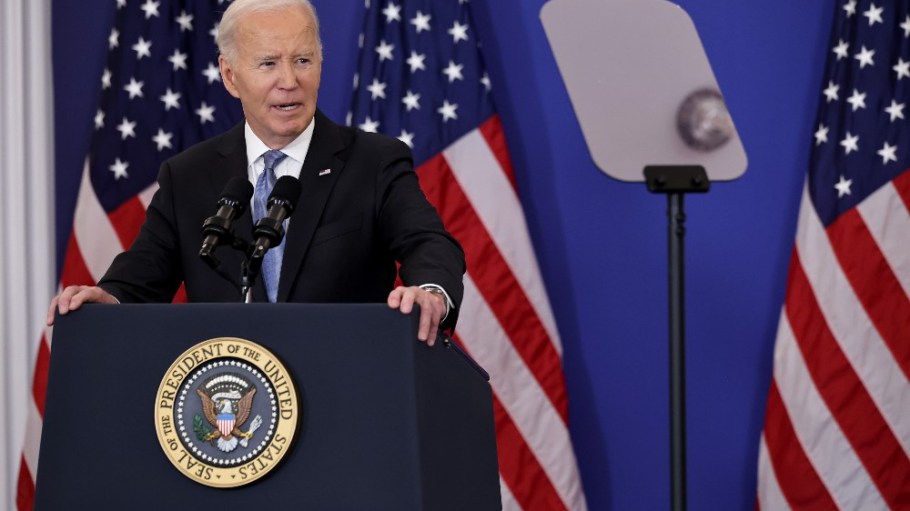
The Biden Administration has made its final, last-minute push to tackle de minimis reform.
U.S. Customs and Border Protection (CBP) on Friday announced the second of two Notices of Proposed Rulemaking (NPRM), which it says will strengthen security against illicit foreign shipments by making certain products ineligible for the de minimis exemption. The first proposal was issued Monday.
The Trade and National Security Actions for Low-Value Shipments rule stipulates that merchandise that is already subject to specific trade and national security actions, like punitive duties, can no longer enter the country duty free under de minimis.
Related Stories
That means products subject to tariffs imposed under Section 232 of the Trade Expansion Act of 1962, “safeguard tariffs” imposed under Section 201 of the Trade Act of 1974, and “unfair trade tariffs” imposed under Section 301 of the Trade Act of 1974 won’t be allowed to take advantage of the exemption, CBP wrote. Currently, these products are still eligible for de minimis treatment.
Certain shipments of sensitive goods will also be required to provide the 10-digit Harmonized Tariff Schedule of the United States (HTSUS) classification as an added security measure.
“Both the volume and combined worth of low-value, or de minimis, shipments to the United States have risen significantly over the past 10 years,” Secretary of Homeland Security Alejandro N. Mayorkas said Friday.
“The exemption of these goods from duties or taxes has undermined American businesses and workers and flooded our ports of entry with foreign-made products, making CBP’s vital work screening these goods for security risks more difficult. The actions announced today to tighten this exemption will strengthen America’s economic and national security.”
Over the past decade, de minimis trade has positively exploded, with the number of shipments claiming the exemption growing by more than 600 percent. De minimis trade reached 1 billion packages in fiscal 2023, compared to just 139 million in fiscal 2015. Last year, the upward trend continued unabated; de minimis shipments jumped to over 1.36 billion.
Secretary Mayorkas, along with CBP leaders and domestic industry trade groups, have spoken out about the growing strain on enforcement officials as de minimis trade skyrockets.
“CBP has continued to take aggressive action on a multipronged strategy to enhance CBP enforcement in the low-value shipment environment,” CBP Senior Official Performing the Duties of the Commissioner Pete R. Flores added. “We will continue to leverage existing authorities to improve tools and automation, while strengthening enforcement of textile and apparel trade laws.”
National Economic Advisor Lael Brainard pointed the finger at “Chinese-founded e-commerce platforms,” which he said have exploited “an unfair trade advantage.” Firms like Shein and Temu have utilized de minimis to propel their sales into the stratosphere, while “American businesses play by the rules,” he believes.
“Today’s actions are an important step forward to level the playing field for American workers, retailers, and manufacturers and to enforce U.S. laws that protect the health and safety of our consumers,” he added.
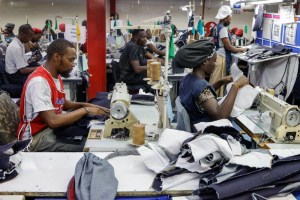
A longtime proponent of de minimis reform, the National Council of Textile Organizations (NCTO) has pointed to the adverse effects that burgeoning de minimis trade have had on domestic manufacturing. Over the past 18 months, 25 U.S. textile plants have closed—a phenomenon the trade group attributes to the unbridled growth of foreign competition.
The trade group’s CEO and president, Kim Glas, praised the administration’s forward movement on the issue on Friday.
“This rulemaking represents a step forward in minimizing the impact of this disastrous loophole in U.S. trade law that has facilitated a surge of duty-free imports that are normally subject to penalty tariffs under various U.S. trade remedy statutes,” she said. “Failure to collect these duties has exacerbated the flow of goods found to be in violation of U.S. trade laws that are costing American jobs and damaging our manufacturing sector.”
“With this rulemaking, CBP and the administration seek to eliminate de minimis treatment for all imported products subject to U.S. trade remedies and penalties, including the current Section 301 tariffs on China. This is an important and much overdue reform.”
As with Monday’s NPRM, members of the public will have 60 days to comment via the Federal Rulemaking Portal at www.regulations.gov.