The United States has agreed in principle to a bilateral free trade agreement (FTA) with Bangladesh, according to one of the country’s top officials.
A meeting between the Bangladeshi government and U.S. Trade Representative (USTR) Ambassador Jamieson Greer last month spurred discussions about rebalancing trade and lowering trade barriers between the two nations. Bangladeshi Commerce Secretary Mahbubur Rahman confirmed this week that the U.S. has agreed to negotiate a new deal, per a report in the country’s daily newspaper, The Business Standard.
Related Stories
Rahman said Bangladesh has previously proposed the development of a FTA to the U.S., but “This time, they have agreed, and we are now actively preparing to commence negotiations.”
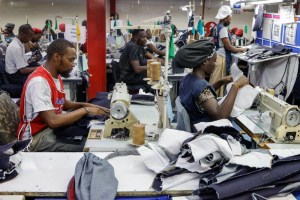
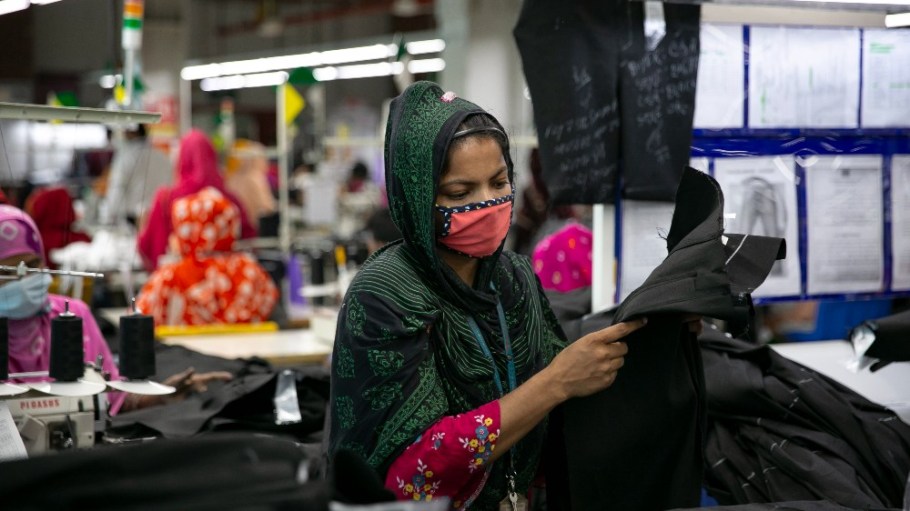
Calling the step a “major breakthrough for Bangladesh,” Rahman indicated that the agreement would likely grant Bangladesh duty-free access to the U.S. market—a pivotal development for the country’s ready-made garment (RMG) industry, which is responsible for more than 80 percent of the country’s total exports. The U.S. is the country’s largest export market, taking in more than 17 percent of total exports and 18 percent of its garment exports, according to Commerce Ministry data.
As it stands, the U.S. charges an average duty rate of 15 percent on imports from Bangladesh, while the average tariff on American imports entering Bangladesh sits at 6.1 percent.
The Ministry established an eight-member committee on May 12 “to swiftly prepare a draft text of the agreement,” Rahman said. The committee was given 15 days to turn over a preliminary text for the FTA.
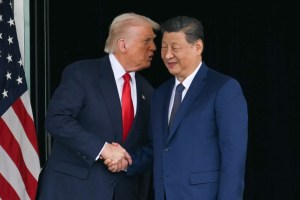
Reports from several Bangladeshi news sources say that the country is prepared to offer the U.S. generous terms—a total zeroing out of duties on hundreds of U.S.-made products, to be exact—in order to placate President Donald Trump, who levied 37-percent tariffs on Bangladesh on April 2. Following the “Liberation Day” tariff announcements, the president deferred the duties for a period of three months to allow for negotiations with trade partners.
More recently, Trump has said that his cabinet—including Greer, as well as Commerce Secretary Howard Lutnick and Treasury Secretary Scott Bessent—would be revising tariff rates for impacted countries rather than meeting with each one directly, seemingly indicating that the high double-digit duties many are facing come July 9 could be reduced.
But in order to secure the most favorable terms for Bangladesh, Chief Advisor Muhammad Yunus’s interim government was given provisional approval to reduce import duties in the upcoming budget during a Monday meeting with the National Board of Revenue (NBR), according to news portal BDnews24.com.
Members of the RMG sector in Bangladesh have been antsy about what will happen when the reciprocal duties resume. While the USTR is actively engaging with trade partners to hash out new terms for trade policies, the nation’s foremost trade authority has also pulled no punches when it comes to attacking other nations over business practices and labor rights issues.
Earlier this month, the agency posted on X to “[call] out the unfair trade practices undercutting the American textiles and apparel sector,” including, in the case of Bangladesh, “pervasive” problems related to labor violations and wages, shift lengths, factory safety and anti-union discrimination.