The fruits of Trump’s ongoing tariff threats may already be coming to bear, with apparel imports from Mexico falling during the month of October.
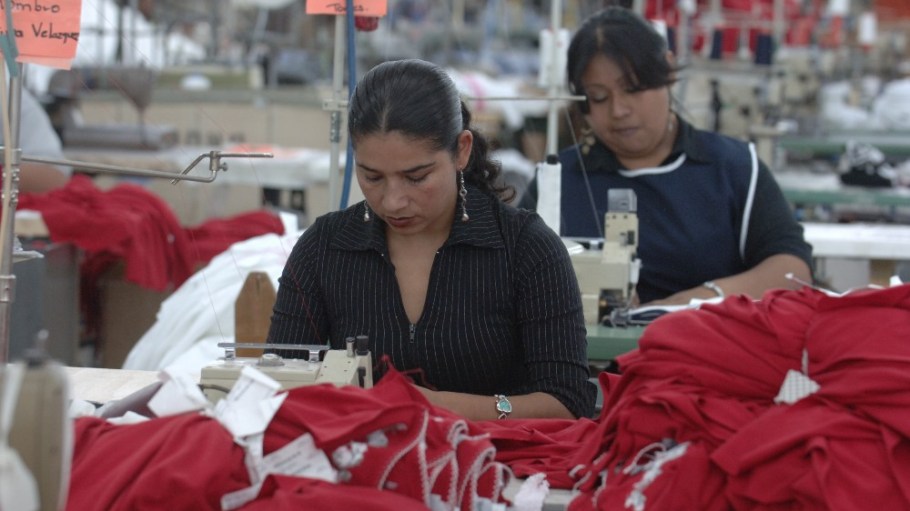
U.S. brands have been ramping up shipments from across the globe in advance of the holidays (and a looming potential tariff deadline on Jan. 20), but Mexico saw its fabric and clothing exports to the U.S. fall by 10 percent year-over-year, from 51 million square meter equivalent units (SME) in October 2023 to 46 million SME in October 2024, according to data from the U.S. Office of Textiles and Apparel (OTEXA).
Related Stories
The trend is notable given that the country’s other most prominent textile and apparel trade partners saw their U.S.-bound exports increase by 21 percent during the same period—including America’s largest trade adversary, China, which upped its volume by 10 percent year over year in October, from 779 million SME to 859 million SME. Mexico was knocked out of the top 10 U.S. apparel and textile trade partners entirely.
By far the biggest increase was seen by Cambodia, which boosted shipments to the U.S. by 80 percent from the year-ago period. Not surprisingly, other Asian exporters like India (up 32 percent year over year) and Vietnam (up 31 percent from October 2023) were the next largest beneficiaries of increased trade with the U.S. market.
Despite the upswing in apparel and textile imports, the U.S. actually narrowed its overall trade gap in October by nearly 12 percent, to $73.8 billion, from the previous month, according to the U.S. Commerce Department’s Bureau of Economic Analysis (BEA).
Recently released data showed that imports of everything from crude oil to technology products and consumer goods dropped by $14.3 billion from September, to $339.6 billion. However, America’s October exports also fell, dropping by $4.3 billion month-over-month to $265.7 billion.
Trends across sectors may be a result of natural market fluctuations, anxieties about port strikes or a confluence of factors. They could also be driven by Trump’s widespread and varied tariff threats.
Throughout his campaign, he pledged to up duties on China-made products by 60 percent (a figure he later revised to 10 percent on day one of his administration), and 10 percent to 20 percent tariffs for goods imported from the rest of the world. More recently, Trump has said he’d raise tariffs on Canada and Mexico by 25 percent, a prospect leaders from both countries have balked at.
Mexican President Claudia Sheinbaum, like Canadian Prime Minister Justin Trudeau, has tried to reason with Trump—but neither leader has backed down from the threat, and in fact, both have said they would explore retaliatory duties if the president-elect goes through with his plan.
“President Trump, we are not going to address the migration phenomenon or drug use in the United States with threats or tariffs. These major challenges require cooperation and mutual understanding,” Sheinbaum wrote to Trump following the Thanksgiving-week threat. “One tariff will be followed by another in response, and so on until we put common companies at risk.”
The Mexican leader said a tariff war “is not acceptable and would cause inflation and job losses for the United States and Mexico.”
The escalation in tension between the U.S. and Mexico comes at a strange time for businesses on either side of the border.
Fueled by everything from Covid-induced supply chain slowdowns and long overseas logistics lead times to shifting labor costs and a simple desire for greater efficiency, U.S. apparel brands have deepened their ties with Mexico in recent years. The concept of nearshoring became a curiosity for many before it evolved into a bona fide sourcing strategy—one that has allowed companies to diversify their portfolios and disrupt the status quo of Asia sourcing.
Mexico became the nation’s biggest trading partner last year, shoving China into second place for the first time since 2014.
Close-to-home manufacturing has even gotten its own trade show, with the Nearshoring America Expo held at the Dallas Market Center last week. At the show, manufacturers, buyers and trade experts gathered to forge connections and discuss the unique advantages to nearshoring in Mexico, from greater supply chain transparency to competitive labor costs and more personal business relationships between brands and suppliers.
With Mexico’s manufacturing sector on the rise, U.S. companies aren’t the only ones taking notice. The bilateral trade relationship between China and Mexico has flourished, reaching $100.2 billion in 2023. China is Mexico’s second largest trading partner to the U.S., and the symbiotic relationship stands to grow as both countries are face hurdles with U.S. trade policies.