The American Apparel and Footwear Association (AAFA) wants the Trump administration to crack down on counterfeit risks posed by domestic entities.
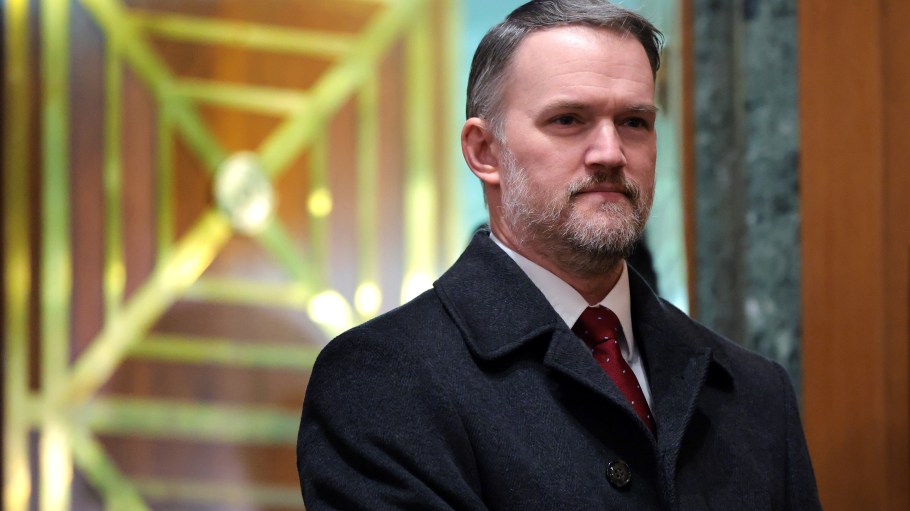
Steve Lamar, president of the AAFA, penned a letter to U.S. Trade Representation (USTR) Jamieson Greer Thursday, calling on Greer’s office to include domestic marketplaces on the annual Notorious Markets List (NML).
The NML chronicles companies the U.S. government believes “engage in, facilitate, turn a blind eye to or benefit from substantial piracy or counterfeiting.” The USTR’s office has published the NML since 2006—at first in the agency’s Special 301 report, which outlines the state of intellectual property and its impact on the U.S.; it has a special focus on foreign countries. In 2011, the NML became a stand-alone publication, though it has still historically focused on foreign-headquartered entities.
Related Stories
As e-commerce has evolved, the list has grown to include a number of online marketplaces; for instance, China’s Pinduoduo, owned by Temu parent PDD Holdings, saw inclusion on the list in 2024.
Despite the rising prevalence of digital marketplaces in the U.S., the NML has not historically included U.S.-headquartered entities. Lamar and the AAFA said a deviation from that pattern occurred in 2019, when the first Trump administration included some of the foreign domains of Amazon, a U.S. company, on the NML. The domains saw repeat inclusion in 2020, but have not been included on the list since, the AAFA said.
“In the years since [Amazon’s inclusion], the NML has grown silent on the problems associated with counterfeits that are widely available on U.S.-headquartered third-party marketplaces,” Lamar wrote. “Despite efforts by several stakeholders, including AAFA, to nominate U.S.-headquartered platforms, the NML since 2020 has not included any such nominations.”
That, the trade group contends, is a serious problem that could see an increased number of counterfeit goods moving through platforms headquartered in the U.S., since their operations go more unchecked than foreign counterparts.
“The mere notion that attention is shifted away from U.S.- headquartered platforms is cheered by counterfeiters as implicit license to increase their business there,” Lamar wrote. “Moreover, this lack of attention relaxes the pressure on those platforms to become better at stopping and removing counterfeits.”
The AAFA alleges that excluding U.S.-headquartered companies from the NML could damage legitimate U.S.-based businesses.
Consumers could also be negatively impacted, the AAFA noted; if counterfeits are allowed to make their way to U.S. consumers via any channel—domestic or foreign—shoppers may find they are subject to lower-quality items.
“Counterfeits do not just represent lost sales and lost jobs through brand identity theft. They also expose consumers and workers to untold dangers as counterfeits are made in shoddy factories that pollute the environment and with substandard materials that pose real product safety hazards for consumers,” Lamar wrote.
The AAFA said it would like to see Greer and his team “set a standard of accountability for domestic platforms” to protect consumers and businesses while also working to take counterfeits out of circulation more readily. Lamar said that, if the USTR doesn’t take action on domestic marketplaces, other countries likely will beat the U.S. to the punch, imposing restrictions on certain companies.
“As we call platforms to account because they turn a blind eye, we cannot engage in that practice ourselves,” Lamar wrote.
The AAFA, which represents over 1,100 domestic companies and 3.6 million workers, said it would work alongside the USTR to enrich anti-counterfeit protections.
“As stated in [Thursday]’s letter to USTR Ambassador Greer, we are eager to work with USTR to update the Notorious Markets List process to include domestic platforms and marketplaces to level the playing field for all businesses, protect legitimate commerce and valuable IP and to continue the fight against dangerous counterfeits,” Lamar said in a statement. “All of us can do more to support American innovation, to raise awareness, and to protect American families going into the holiday season.”
In recent weeks, the organization has taken aim at other intellectual property issues; this week, the AAFA coordinated with several other trade groups to send a letter to members of Congress, asking them to protect funding for the Office of the Intellectual Property Enforcement Coordinator (IPEC) and urging them to put pressure on the Trump administration to appoint someone to serve in the role before the end of the year.
Lamar said counterfeits will remain a priority for the trade group in the name of protecting American businesses and consumers.
“Counterfeit, illicitly traded goods—including apparel, footwear, accessories, and travel goods—undermine trusted American brands but also threaten the jobs and livelihoods of millions of U.S. workers and the safety of American consumers and the environment,” Lamar said in a statement. “Through stronger education and more effective public policy, we must all work together to combat the scourge of counterfeits increasingly being promoted and sold across e-commerce and social commerce platforms. Counterfeit listings flood these platforms daily while brands fight a lopsided battle with illicit traders who have a completely unfair advantage.”