Spiber is respinning its web, making space for the baker’s dozen new members to the protein brewer’s circularity-centric coalition.
The Japanese biotechnology startup’s nascent Biosphere Circulation Project, debuted at last year’s Biofabricate, announced its new members as well as its new name.
Rebranded as the BioCircular Materials Alliance (BCMA), the coalition—founded to fight science with science and “harness the transformative power of biology to accelerate the global transition toward a circular future,” per its mission statement—welcomed the likes of Stella McCartney, Fashion for Good and Archroma to the fold.
Related Stories
“Fashion for Good is pleased to be collaborating with Spiber and the other BioCircular Materials Alliance members such as Kering; a founding alliance member and a Fashion for Good partner,” said Maria Arroyo I Bacete, innovation manager at Fashion for Good. “Finding solutions for different waste feedstocks that currently have no pathways [that is] recycling is vital to help solve the textile waste crisis.”
The 13 alliance adopters join founding fathers—brands like Pangaia, Goldwin and Eileen Fisher as well as Kering’s Material Innovation Lab and chemical manufacturer DyStar—to bring the total to 22 members.
“Seeing such a diverse group of organizations align and collaborate toward a shared goal is truly inspiring,” Kenji Higashi, Spiber’s executive vice president of sustainability and director of the alliance steward team, said in a statement. “What began as a vision has grown into a dynamic, collaborative effort with strong momentum for real, societal-level change to create a circular future.”
The alliance also released its inaugural report card, highlighting the progress achieved in year one while establishing its vision to achieve the overarching goal of regenerating textile and agricultural bio-waste into products (like protein) through metabolic recycling, among other “advanced recycling” (aka molecular recycling or chemical recycling) processes.
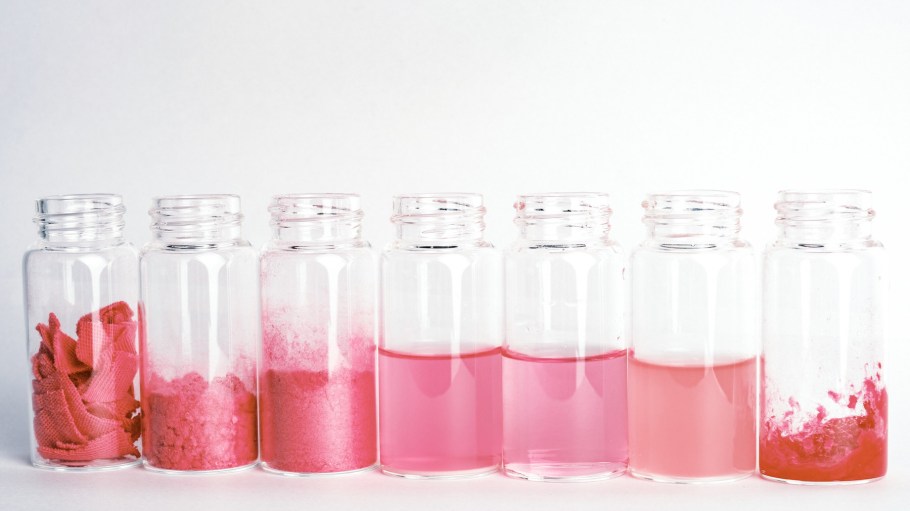
“Metabolic recycling transforms biobased waste into biological nutrients, such as sugars and amino acids, which serve as feedstocks for microbial fermentation systems to regenerate valuable materials,” the report card reads. “This process unlocks the potential of biobased waste, and provides a practical, scalable pathway toward a circular bioeconomy where such wastes are regenerated into valuable products.”
![“The [BioCircular Materials Alliance] was founded to harness the transformative power of biology to accelerate the global transition toward a circular future,” the Spiber-stewarded coalition said. “By bringing together leading brands, manufacturers, and innovators, the [BCMA] seeks to enable regeneration of bio-based waste—from textiles, agriculture, and forestry—into valuable products such as protein materials through metabolic recycling and other advanced processes.”](https://martav.shop/wp-content/themes/vip/pmc-wwd-2021/assets/public/lazyload-fallback.gif)
For reference, Spiber currently acts as the BCMA’s steward, as the Brewed Protein fiber producer’s vetted public interest in metabolic recycling led to this coalition.
However, the alliance’s intended scope—as developed by Spiber with inaugural members like Kering and Goldwin—understood the “importance of transparent and independent governance,” per the report, “underscoring the need for clear and collaborative decision-making processes.”
Furthermore, the alliance is “not intended to serve any single organization.” While Spiber’s proprietary Brewed Protein fiber is a beneficiary, the alliance’s “work encompasses broader applications to benefit industries aiming to enable circularity for a wide range of biobased products.”
The other top-line news was the successful development of databases and guidelines—what will, ideally, be the tools participating members (like Marimekko and Marzotto Wool Manufacturing) will use as a reference book or cheat sheet, that everyone that all collectively adheres to.
This includes the Action Plan: a “collaboratively developed” document keeping members and stakeholders “in agreement on the long-term vision, objectives, activities and target outcomes of the Alliance,” per the plan. That’s achieved through standardizing language with relevant research and considering the challenges against the opportunities, among others.
The report also covered creating the inaugural Materials BioCircularity Database and the progress made in developing the BCMA’s Product Design Guidelines. Adding to the group’s growing toolbox, these efforts serve members (like Armedangels and the Albini Group) as the group-wide guides “explaining how various combinations of materials and chemical treatments impact the compatibility of resulting products with the biocircular recycling systems.”
The former is designed to help members make informed choices about the materials, dyes and chemicals used during production, such as optimizing them for “biocircularity.” The latter explains how “material and chemical combinations affect compatibility with biocircular recycling systems,” the BCMA said, with an initial draft expected in 2026.
“We look forward to contributing our expertise on topics such as the Materials Circularity Database that could help steer the industry towards making better design choices to enable bio-circularity,” Bacete said.
In tandem, the bio-waste backing brat pack’s official website is now live. The site will serve as a “central hub” for updates on the BCMA’s activities, online access to the aforementioned databases and guidelines, and membership information.
“Stella McCartney is proud to partner with the BioCircular Materials Alliance, driving the industry towards a circular future,” a spokesperson for sustainability stalwart said. “The accomplishments highlighted in the Alliance’s first progress report demonstrate significant progress in creating a regenerative bioeconomy, showcasing the power of collaboration and innovation in achieving societal-level change.”