Last year, the American polo-maker met or exceeded goals across emissions, circularity and the like.
This is according to Ralph Lauren Corp.’s 2023 global citizen and sustainability report. In it, the group provides a progress refresher on its net-zero targets as well as near-term 1.5-degrees Celsius targets in line with the Paris Agreement, as verified by the Science Based Targets Initiative.
Emissions reduction was a core focus, with the group reporting a 29 percent absolute emissions reduction. The reduction was driven, in part, by production volumes decreasing, reductions in air freight usage, a shift in business travel practices and regular improvements to its carbon footprint methodology along with carbon accounting best practices.
Related Stories
“As we seek to reduce waste, decrease absolute emissions and drive efficiency, one of our strategies is to match production volumes to market demand as closely as possible,” Katie Ioanilli, chief global impact and communications officer at Ralph Lauren Corp., told WWD. “Minimizing excess by more precisely matching buys to consumer demand is the single biggest positive impact we can make within our direct control.”
As for energy use, Ralph Lauren’s renewable energy mix accounts for 8 percent of its portfolio with the goal to reach 100 percent by 2025.
“Timeless by Design” is Ralph Lauren’s commitment across intentional design, as well as environmental and community stewardship. Ralph Lauren’s stance on circular products is meant to be incorporated in all products by 2025. New product launches offer testing grounds for these principles. Five product lines are being reinvented under Ralph Lauren’s Cradle to Cradle Certified commitment, by 2025. In 2019, Ralph Lauren began rolling out digital identity technology across its portfolio, starting with the Polo brand. DPIDs are in more than 220 million Polo products and can be used to authenticate the products.
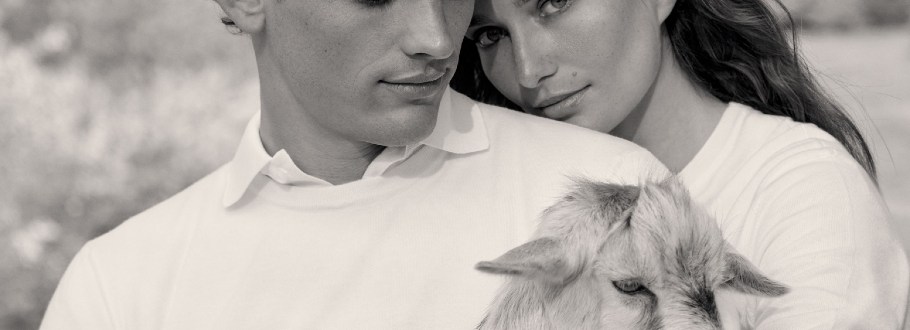
“The introduction of our first Cradle to Cradle Certified product, our reimagined, luxury cashmere sweater was a meaningful step toward our ambition to advance a circular economy,” Ioanilli added. “But the shift from a linear to circular economy requires systems-level change that considers the entire life cycle of a product, from inspiration through to the consumer experience and the product’s next use. That’s why it was important for us to not only create the certified product, but also deliver a cashmere recycling program that helps to enable the fuller circular system.”
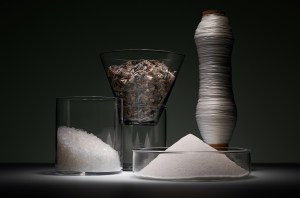
Biomaterials are another investment area with more to show for it. After taking a minority stake in biotech firm Natural Fiber Welding in 2020, Ralph Lauren introduced a Polo Mirum sneaker (available at $268) and crossbody ($138) for retail. Mirum is the all-natural, petrochemical-free alternative to plastic and animal hide. Not all innovations make it to market.
On the supplier side, the company is looking to mirror some of its philanthropic aims with equity a priority. In 2022, the company increased its women factory leadership by 25 percent while also reaching its goal to foster diverse leadership, with now 20 percent of its global leadership team being racially and ethnically diverse. Last year, 54 percent of its business was with key and strategic suppliers that met business, social and environmental performance criteria. (WWD asked what percentage constitutes “key and strategic” but the company does not disclose it.)