Material World is a weekly roundup of innovations and ideas within the materials sector, covering what’s changing in how fashion is made, scaled or engineered from emerging biomaterials and alternative leathers to sustainable substitutes and future-proof fibers.
Xinxiang Bailu Chemical Fiber x Circ

As Circ deepens its presence in Asia through continued expansion in China, the polycotton recycler announced that Xinxiang Bailu Chemical Fiber, a Canopy-verified “dark green shirt” producer of viscose filament yarn, would be a commercial partner in China.
Related Stories
“By anchoring our technology within the world’s leading fiber manufacturers, we’re accelerating the shift toward a truly circular textile economy and building the infrastructure required to scale it worldwide,” CEO Peter Majeranowski said in a statement.
Xinxiang Chemical Fiber, a core subsidiary of Xinxiang Bailu Investment Group, will add Circ’s recycled pulp into its large commercial viscose filament production lines. Based in Henan Province, Xinxiang Bailu produces a range of fibers—widely known for having one of the world’s largest viscose filament capacities.
“Xinxiang Chemical Fiber and Circ join hands in innovation to provide leading solutions for the recycling of textile waste [to] jointly promote the green, low-carbon, circular and sustainable development of the textile and apparel industry,” chairman Shao Changjin of Bailu Group added.
World Collective x KD New York
Textile sourcing company World Collective has partnered with KD New York to exclusively distribute the Big Apple-based dancewear brand’s Vegetable Cashmere via its global B2B platform.
World Collective acts as the digital sourcing hub for the soy-based yarn, providing fashion brands worldwide with access to a plant-based alternative to cashmere made from animal fibers, according to the Council of Fashion Designers of America (CDFA).
“Material innovation is only as powerful as the access brands have to it,” Julie Tran, chief growth officer of World Collective, said in a statement. “By welcoming KD New York’s Vegetable Cashmere into our ecosystem exclusively, we’re not only expanding access to next-generation yarn innovation, but we’re also creating a clearer path for brands to discover and source materials that move the industry forward.”
OnceMore x TextileGenesis
Swedish textile brand OnceMore from Södra has partnered with TextileGenesis—a software platform owned by Lectra—to improve traceability from raw material to retail.
The stakes are regulatory. With Digital Product Passport (DPP) looming on the EU’s horizon, brands need more than good intentions. They need data. TextileGenesis deploys Fibercoin token technology to generate digital tokens tied to material volumes at each transformation stage—a system the collaborators called built for integrity at scale.
“Traceability across the value chain relies on reliable data and clear documentation,” said Tina Lemke, marketing and brand experience manager at OnceMore. “By introducing [waste and wood-to-retail] traceability through the TextileGenesis solution, we strengthen the integrity of our chain of custody and give our customers verified information about how materials move through each production step.”
The rollout is already underway, per the partners. OnceMore’s supply chain partners are currently being onboarded, using the platform’s modules to capture consistent data and conduct transactions.
“OnceMore is one of the strongest circular innovations in MMCF today. This rollout shows how to operationalize traceability at scale,” said Amit Gautam, founder and CEO of TextileGenesis. “By embedding traceability directly into material transactions, we create a verified data infrastructure. This is needed for regulatory compliance, brand accountability and credible circularity claims.”
Vivobarefoot x Natural Fiber Welding
London-based footwear brand Vivobarefoot has teamed with next-gen material maker Natural Fiber Welding (NFW) on the Gobi II Sneaker Leather—denoting a “pioneering step forward in regenerative design, according to the algae-based footwear maker.
The Gobi II Sneaker Leather is made with 98 percent natural materials, according to both companies. It features NFW’s Pliant material as its outsole—made from 100 percent natural rubber—to deliver durability and flexibility for performance without synthetic plastics.
The upper uses chrome-free leather from Buri Ram—a Thai province whose name means “city of happiness,” per the tourism agency—plus HyphaLite (a mix of mushroom bodies and natural fibers) and soft cow suede. The chrome-free lining comes from Ayutthaya, a historic city 50 miles north of Bangkok. Other details include organic cotton laces and a 100 percent cork insole.
The Gobi II Sneaker was also built with its end-of-life in mind; once worn, customers can return their kicks to the brand through its Revivo program.
Eastman
Specialty materials company Eastman announced the next phase of its collaboration with non-governmental organization SOS Mata Atlântica to advance restoration efforts in Brazil’s Atlantic Forest.
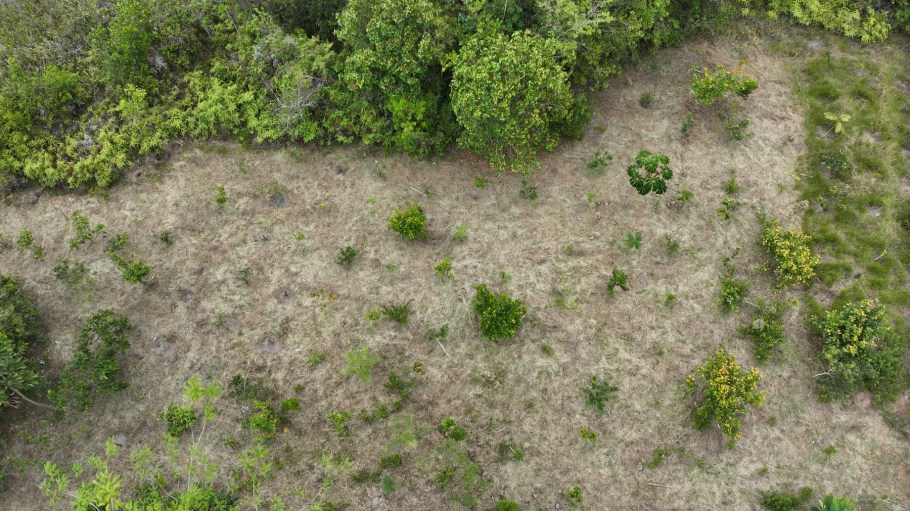
Under the new agreement, SOS Mata Atlântica will plant 11,000 native tree seedlings in the Tietê and Paraíba do Sul river basins during southeast Brazil’s rainy season, October to March. Decades of urban, industrial and agricultural pressure have degraded these biomes and reduced forest cover—placing these basins among the Atlantic Forest’s most vulnerable regions, per the partners.
The initiative builds on the specialty materials maker’s 2022 collaboration with the Brazilian environmental NGO—reflecting the Kingsport, Tennessee-based company’s continued pledge to responsible forestry and sustainable material solutions, according to Eastman. Restoration work will be carried out through SOS Mata Atlântica’s Forests of the Future program. Besides soil preparation, the program removes factors that limit natural regeneration and plants a mix of native species.
Each site will receive two years of maintenance and five years of monitoring to support long-term ecological recovery—working to “reconnect forest fragments, strengthen ecological corridors and restore areas critical to water supply,” the company said.