This is the second article in an 11-part series from Masood Textiles. It was written by Abdul Haleem Anjum, senior manager, yarns and R&D at Masood Textile Mills Limited.
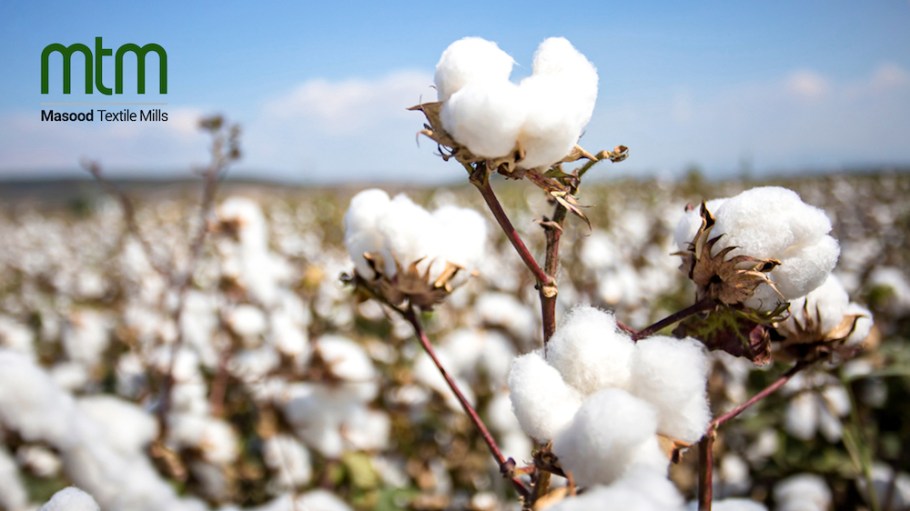
Recognizing cotton as the cornerstone of its high-quality garments, vertically integrated textile producer Masood Textile Mills (MTM) is prioritizing sourcing the most sustainable cotton available. In line with this commitment, the Pakistan-based company has embraced regenerative cotton—a “revolutionary method” poised to redefine sustainable cotton production.
Related Stories
Regenerative cotton
Regenerative cotton farming employs a holistic approach to cultivation, aiming to improve soil health, biodiversity, water retention and the overall ecosystem. This method stands in stark contrast to conventional cotton farming, which heavily relies on synthetic fertilizers to maximize yield. While seemingly productive in the short term, conventional practices ultimately harm the environment and human health by degrading soil quality. Regenerative cotton, on the other hand, leverages research-based practices that nurture the land.
Recognizing this, MTM implements various sustainable practices throughout its operations, including cover cropping, which involves planting additional crops between cotton growing seasons. This helps suppress weeds, enhance soil health and encourage the presence of beneficial insects.
MTM also adopts crop rotation by regularly alternating cotton with other crops. This prevents nutrient depletion in the soil and disrupts pest life cycles, contributing to long-term soil fertility and health. Additionally, MTM minimizes soil disturbance through minimum tillage practices. This protects soil structure and fosters beneficial microbial activity that is crucial for maintaining soil health and productivity.
Techniques such as compost application and cover cropping enrich the soil with organic matter, promoting water retention, improving soil fertility and fostering a healthier ecosystem. Moreover, MTM utilizes natural fertilizers like composted manure and “green manure” from cover crops. This reduces reliance on synthetic fertilizers, fostering a balanced soil ecosystem and contributing to long-term soil health.
The culmination of these sustainable practices goes beyond environmental benefits. Regenerative cotton produces high-quality cotton fibers, benefiting both the environment and ensuring superior textiles for Masood’s customers.
Lok Sanjh partnership
Demonstrating its commitment to sustainable cotton, MTM has partnered with Lok Sanjh Foundation (LSF)—a nonprofit, non-governmental organization working with the rural communities, particularly with women farmers in Pakistan—for the Regenerative Cotton Supply Chain 2024-25 initiative. This agreement between MTM and LSF aims to establish a regenerative cotton supply chain in the Layyah and Haroonabad districts of Punjab, Pakistan.
Through this collaboration, Masood will directly empower and train 2,000 farmers across 4,000 acres in Layyah and 1,000 farmers across 2,000 acres in Haroonabad on regenerative cotton farming practices. This includes providing technical advice, solutions to production issues and training on regenagri techniques—a regenerative agriculture initiative aimed at securing the health of the land and the wealth of those who live on it.
Masood will also facilitate access to essential farm inputs such as farmyard manure, natural mineral fertilizers and bio-pesticides. They will also organize farmer-to-farmer exchanges to encourage knowledge sharing and accelerate learning. In addition, Masood will assist farmers in maintaining records for regenerative cotton certification and support the certification process. To encourage participation, Masood will offer premium prices for cotton produced using regenerative methods.
Masood acknowledges the importance of equipping farmers with the necessary knowledge and skills for regenerative cotton farming success. For the 2024-25 crop season, Masood has outlined a comprehensive training and capacity-building program, including understanding each farm’s existing conditions through baseline surveys and farm history analysis and aiding farmers in registering as certified regenerative cotton growers.
The program also ensures proper soil testing and developing customized nutrient management plans in collaboration with agricultural department labs to improve and maintain soil health.
Adding to its benefits, the program establishes farmer groups to promote knowledge sharing and facilitate collective problem-solving, with Masood providing training on various RegenAgri production techniques within these groups.
Beyond the field
The positive impact of Masood’s initiative extends beyond the cotton fields of Layyah and Haroonabad. By promoting regenerative practices, Masood is contributing to improved soil health, increased biodiversity and enhanced water conservation. This, in turn, benefits not just the farmers and the surrounding communities but also the wider ecosystem. As the use of regenerative cotton grows, the textile industry’s environmental footprint can be significantly reduced.
Sustainable future
Masood’s initiative in regenerative cotton is an example of how a textile producer can embrace sustainability throughout its supply chain.
By partnering with LSF and empowering farmers, Masood is not only ensuring a secure supply of high-quality cotton but also contributing to a healthier environment and a more sustainable future for the textile industry as a whole. This initiative sets a precedent for responsible sourcing and demonstrates the positive impact collaboration can have on the environment, farmers and consumers alike.
As the industry continues to evolve, Masood’s commitment to regenerative cotton positions them at the forefront of sustainable textile production. Their efforts have the potential to inspire other industry players to adopt similar practices, paving the way for a future where fashion and environmental responsibility go hand in hand.
To learn more about Masood Textile Mills Limited, click here.