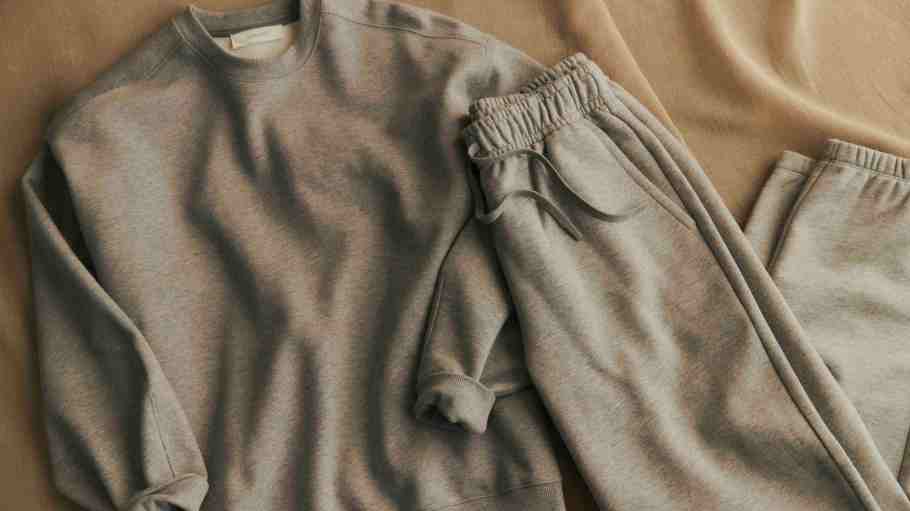
In its ongoing quest to improve sustainability in the fashion sector, Everlane has partnered with Masters of Flax Fibre for a fully traceable linen line.
Masters of Flax Fibre (formerly European Flax) linen is grown on cooperative farms in France, Belgium and the Netherlands without the use of irrigation or genetically modified organisms (GMOs). Fully traceable from seed to finished garment, the linen produces 74.3 percent fewer carbon emissions than conventional linen under the Product Environmental Footprint framework. The flax cultivation is powered entirely by rainfall, and refined through a 100 percent mechanical extraction, zero-waste process.
Related Stories
“We’ve worked with responsibly sourced linen for years because it shows what the future of materials can look like,” said Alfred Chang, CEO of Everlane. “When you can trace a fiber from the farm where it’s grown all the way to the finished garment, it creates a level of accountability that consumers are increasingly asking for.”
Flax grown in the French regions where Everlane sources produces longer fibers than those cultivated in many other areas of the world, which the company said improves both durability and softness.
“Western Europe, particularly France, Belgium and the Netherlands, has a long history of growing and processing flax, and that shows up in both the quality of the fiber and how the supply chain is structured,” according to the sustainability, sourcing and supply chain team at Everlane. “Longer flax fibers produce stronger, more durable yarns, which means the fabric holds up better over time. That durability is an important part of how we think about circularity. The longer a product stays in use, the more value you get out of the resources that went into making it, and the less often it needs to be replaced.”
This collection is the latest move from the California-based retailer to reduce its environmental impact and improve sustainability and circularity. According to Everlane’s most recent impact report—which came out last April—90 percent of materials used in 2024 met the company’s lower-impact, preferred standards of recycled, organic, responsible or FSC-certified.
“Today, weʼre about 90 percent of the way toward our goal of sourcing 100 percent preferred materials, and certified fibers like Masters of Flax Fibre linen are one of the ways we continue to close that gap, focusing on materials where we can better measure impact, improve over time, and be transparent about what we know,” the sustainability, sourcing and supply chain team said.
Last fall, Everlane launched its Recycled Collection, showcasing products made with certified recycled polyester or nylon, as well as the EverPuff coat, made almost entirely from certified recycled materials such as Re:Down repurposed and recycled feathers from post-use bedding and outerwear.
In November, the company pledged to support nonprofit Good Growth through its annual Black Friday Fund. Good Growth, which operates the Regenerative Cashmere Initiative in Mongolia, received a donation of $50,000 from Everlane toward its efforts to benefit more than 40 herder families, 8,000 goats and 113,000 acres of grassland. That month, the brand also began offering free in-store denim repairs in its Brooklyn store in an effort to extend the lifecycle of its clothing and improve circularity.
“The fashion industry has a real environmental footprint, from raw materials through manufacturing and use, and we see it as our responsibility to understand that and reduce it where we can,” the sustainability, sourcing and supply chain team said. “Itʼs also something our customers increasingly expect. They want to know how products are made and be able to trust what brands are saying.”