Under the direction of the Trump administration, the Environmental Protection Agency (EPA) is reportedly working behind the scenes to unravel Biden-era legislation limiting the use of toxic “forever chemicals.”
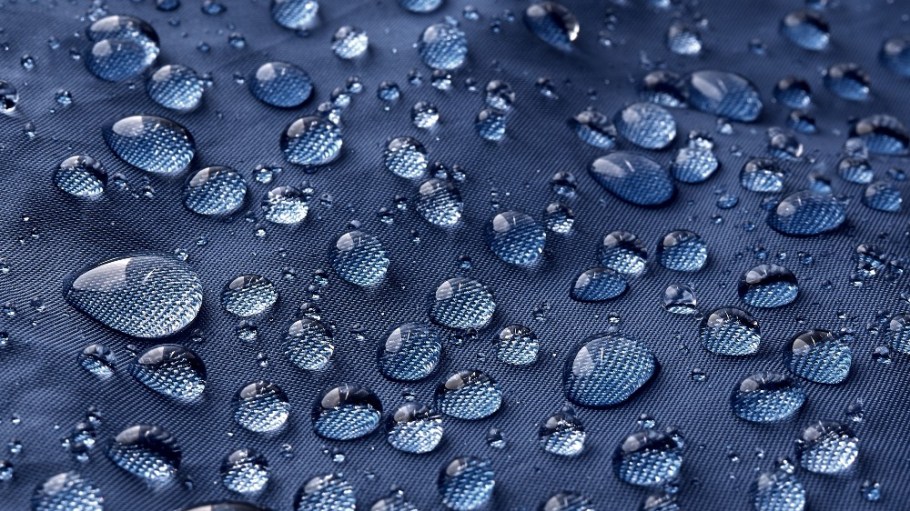
The initiative, which is part of the White House’s “Make American Healthy Again” initiative, may do just the opposite, loosening constraints on companies that utilize per- and polyfluoroalkyl substances (PFAS) to imbue their products with resistance to water, grease, dirt and stains, according to a report from The Hill.
Related Stories
Often found in apparel, cookware and food packaging, research on PFAS has linked the chemical class to concerning health conditions, from cancers to hormone disruption and more. A study published last year confirmed for the first time that the chemicals can be absorbed through the skin and enter the human bloodstream.
The EPA’s about-face could undo federal actions against PFAS, and it’s starting with the Biden administration’s stringent standards for drinking water, enacted in early 2024. The EPA was slated to deliver its guidance on whether the rule would stay in place by Tuesday, but the agency and its administrator, Trump appointee Lee Zeldin, asked the U.S. Court of Appeals for the District of Columbia Circuit for “an additional 30 days to allow new Agency leadership to review the underlying rule.”
The potential moves to deregulate PFAS use are in line with Zeldin’s stated objectives for the EPA under Trump, which he laid out last month in an essay in the Wall Street Journal entitled “EPA Ends the ‘Green New Deal.’” He plans to completely overhaul the agency’s standards for clean power, air and water through 31 administrative actions.
“Critics may claim that these changes signal a retreat from environmental protection. Nothing could be further from the truth. Under the Trump administration, the EPA’s core mission remains safeguarding human health and the environment,” Zeldin wrote. “The difference lies in how we achieve these goals—through partnership rather than prescriptive bureaucracy, through collaboration rather than regulation.”
By the end of the month, the EPA will also deliver guidance on whether it will maintain a rule set forth by the previous administration that holds PFAS polluters accountable for cleaning up their waste.
If the administration wages war against chemical regulation, legislation that has taken shape at the state level could be at risk, too. A number of states across the nation have enacted their own laws pertaining to the use of PFAS in consumer products. California, Maine, Massachusetts and Minnesota have banned the distribution of carpets, rugs, fabric treatments, upholstered furniture and textiles that contain PFAS. The Golden State also banned the sale of new, PFAS-laden clothing and textiles on Jan 1.