CottonConnect said its partner farmers saw 34.9 percent profit growth compared to traditional farmers during the last two years. That’s one of the findings of the cotton sustainability group’s 2025 impact report.
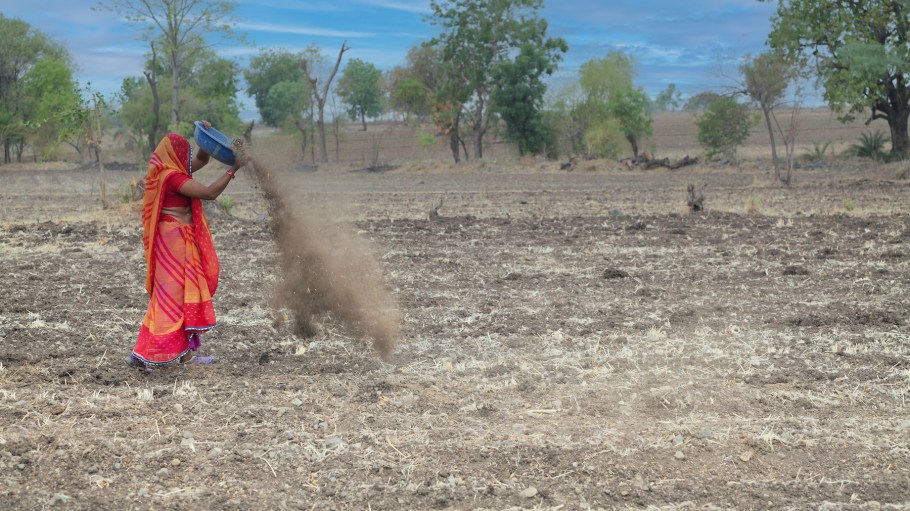
Farmers enrolled in CottonConnect’s Reel Regenerative Program receive three years of agricultural training on sustainable farming practices with the goal of reducing environmental impacts by reducing the use of water, chemical pesticides and fertilizers. According to the impact report, more than 260,000 farmers were trained through CottonConnect’s Reel Regenerative Program between 2024 and 2025.
Related Stories
Compared to control groups, during that time period, Reel program participants saw a 127.3 percent increase in usage of natural pesticides and a 107.6 percent increase in usage of natural fertilizer. Those changes helped contribute to environmental gains. According to the small-scale biodiversity tracking project using AgriSound devices at Reel Regenerative partner farms in Gujarat, India, monitored sites saw a 62.6 percent increase in bee activity and nearly double the number of plant species.
“The biodiversity increases from our regenerative program, alongside higher compliance across gins, demonstrate that targeted interventions can both support ecosystems and improve working conditions,” said Alison Ward, CEO, CottonConnect. “While there is more to do as regulatory expectations rise in 2026, brands and retailers who center regenerative and ethical practices will feel the benefits.”
CottonConnect said that it has added more gins and regions to its Responsible Business for Gins program, which works to improve human rights compliance and worker welfare. Aggregated results from the operation in India, Pakistan, Bangladesh, China and Turkey showed an increase in safety compliance from 71 percent in 2024 to 93 percent in 2025. Adoption of precautionary measures also increased during that time period, from 86 percent in 2024 to 92 percent in 2025.
To meet the compliance demands established by programs such as the European Union’s new digital passport for textiles—a mandatory digital record that stores data on a product’s sustainability, origin, materials and repairability—CottonConnect created its Reel Regenerative Code in 2021. Created in collaboration with farmers and local implementation partners, the code transitioned in 2025 into a certified sustainability standard, backed by third-party governance. CottonConnect said it modified the program to better meet requirements for certification of sustainability claims as outlined in regulations such as the EU digital passport program, which goes into effect next year.
Along with CottonConnect’s Reel Regenerative Code, the organization also has tracked 152, 174 metric tons of lint cotton fibers through its digital traceability tool, TraceBale. The tool offers brands verified data to support ongoing compliance.
CottonConnect said its 35 percent growth in participating farmer profits and biodiversity gains prove the program is making progress toward its goal of increasing net income and resilience in a sustainable manner for 1 million cotton farmers and workers by 2030. The impact report pointed to changes such as a 15.4 percent reduction in input costs and a 7.5 percent improvement in yields as evidence that this goal is achievable through training and support at the farm level along with buy-in from the remaining supply chain.
“This year’s report reflects how practical changes at the farm and gin level can translate into measurable improvements across the textile supply chain,” Ward said. “The combination of large-scale regenerative and human rights due diligence training alongside end-to-end traceability shows the value of collaboration with farmers, ginners and brand partners.”