Zippers, patches, buttons, and rivets may often go unnoticed to the average consumer, but they are just as essential to the durability and wear of jeans as the fabric itself. And each season, like fabric mills, trim manufacturers work to increase their components performance while decreasing their environmental footprint.
“Customers are looking for a balance between aesthetic value, functionality and sustainability in trims because they are never just a secondary detail; they are an integral part of the product’s language and often become its defining element, especially in denim,” said Andrea Cappa, ACM fashion designer.
Related Stories
For this reason, Cappa said a strong stylistic coherence with the garment is essential, along with certified materials and responsible production processes. He added that durability and technical reliability remain crucial, particularly for denim applications where garments undergo intense washing and treatments.
Fall/Winter 2026-2027 trims are aligned with the seasonal forecast for fabrics, fits and finishing techniques.
“For denim, trims are vital in supporting a garment’s overall aesthetic,” said Lone Mogensen, Trimco Group’s sustainability and brand coordinator, materials expert.
A strong return to craftsmanship, driven by brands and consumers seeking authenticity in designs, is highlighting the importance of trims. Techniques like shuttle loom production offer a tactile reminder of denim’s artisanal roots, emphasizing the value of slow production in a fast-paced world, Mogensen said.
As a result, Trimco is seeing renewed interest in vintage-inspired trims and leather elements.
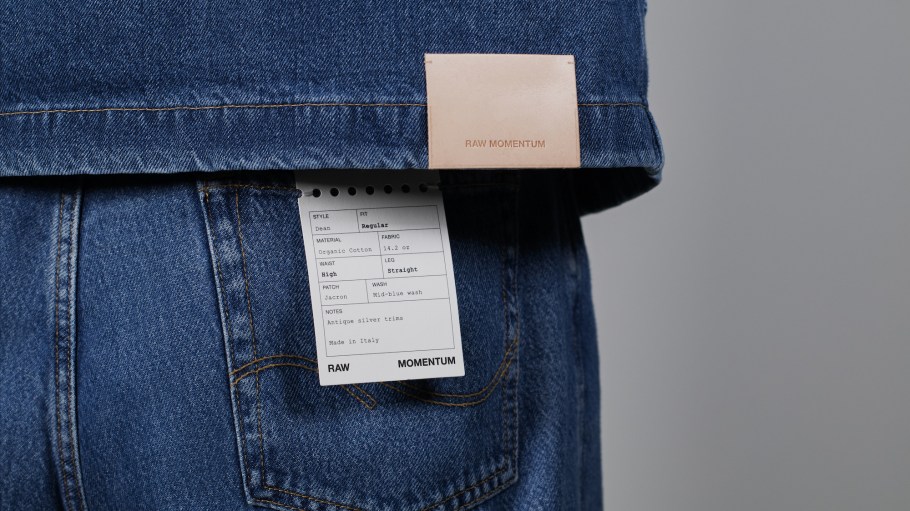
“Trims are being reimagined as statement pieces rather than mere accessories,” she said. “From FSC-certified paper hangtags and waist badges to pocket flashers and waist labels made with cotton paper, the emphasis is on combining raw elegance, durability and edgy-casual aesthetics.”
Sustainable trims are becoming a larger part of brands’ stories. Cadica is seeing clients focus more on sustainability, using it as a key tool for engaging with their end customers.
“Trims are a true expression of the brand, revealing its soul in the market,” said Alessandro Marchesini, Cadica regional sales manager. “The most requested qualities include natural materials, authentic textures, and unexpected material combinations that, despite their contrasts, create a uniquely cool and impactful effect.”
“The top qualities customers are looking for in trims this season are sustainable materials, functionality and uniqueness,” said Matarscha Palmer, sales representative, YKK (U.S.A.) Inc.
YKK is meeting these demands with trims that feature eco-friendly surface treatments, organic, nature-inspired textures, and an expanded, versatile color palette.
Matteo Vivolo, Vivolo’s chief sales officer, said customers are mainly focused on three aspects this season: quality, durability and uniqueness. “These are evergreen characteristics, but increasingly essential in a market that rewards products capable of combining artisanal excellence and strong identity, maintaining high performance over time,” he said.

Responsible design
The challenge of identifying increasingly sustainable materials and processes is ongoing for Vivolo, season after season.
There is a growing demand within Vivolo’s luxury market for premium, sustainably sourced materials. Vivolo said many niche brands are accelerating the experimentation of new materials, with a growing focus on sustainable solutions and more responsible production processes. “This scenario pushes us to intensify our commitment to research, to respond with proposals that are not only innovative, but also concrete, reliable and unique,” he said.
For F/W 26-27, the company is using an innovative material obtained from the orange peels. Vivolo said the material is a “concrete example” of how to apply circular design to the design of accessories. He added that the certified material has been worked to create labels, straps and charms that “combine sustainability and aesthetic quality, while maintaining consistency with our artisanal standards.”
When it comes to sustainability, Rodolfo Proano, sales representative, YKK (U.S.A.) Inc., said clients are seeking the full package, from trims made from certified sustainable materials such as recycled polyester or nylon, organic cotton tapes, and biodegradable buttons to trims produced using eco-conscious methods, including waterless dyeing, low-energy manufacturing processes, and non-toxic finishes.
“Ethical considerations are also top of mind, with many clients prioritizing fair labor practices and traceable supply chains to ensure transparency and accountability,” he said. “Furthermore, eco-friendly packaging is becoming a standard expectation. Sustainable trims are often delivered with minimal or recyclable packaging, and clients are increasingly requesting the inclusion of QR codes or NFC tags on packaging to communicate sustainability stories directly to consumers.”
Denim brands are finding creative ways to make sustainability fashionable. “Fashion’s emphasis on handmade and eco-conscious design is driving the use of recycled or biodegradable materials in trims, while also embracing visible mending, patchwork, and raw edges as key aesthetic features,” said Eduardo Gutierrez, sales representative, YKK (U.S.A.) Inc.
YKK introduced a detachable shank button and rivet that can removed for recycling. “Like our current line of detachable buttons, this new product enables easy removal at the end of a garment’s life, making recycling more efficient,” said Brian La Plante, senior manager sustainability, global marketing group, YKK (U.S.A.) Inc. “The updated design allows brands to continue using their existing styles and finishes developed with YKK—no changes required. Best of all, it is very competitively priced, so most customers will see no additional cost when switching to this product.”
Trim manufacturers are beginning to feel the impact of the fashion industry’s gradual shift away from fossil fuel-based materials.
Mogensen said this has generated interest in trims made from recycled, paper-based, and other alternative materials. While leather is a part of the denim history and will likely remain, she said options like responsibly sourced leather, chrome-free and recycled leather, as well as emerging materials such as Paptic and Jacron address this demand for more sustainable components.
A host of alternative materials is transforming Trimco’s approach to circular design. “Sustainability is evolving beyond a trend; it is now a fundamental expectation in the industry,” Mogensen said.
Trimco’s partnership with Raddis Cotton, a supply chain network that promotes climate-smart rain-fed regenerative cotton in India, marks an ongoing commitment to regenerative agriculture. Trimco uses regenerative cotton in care and content labels as well as main labels. The partnership is already being supported by forward-looking brands like Hugo Boss to reduce environmental impact, build soil health and support women farmers.
The company is using FSC-certified recycled paper trims crafted from post-consumer reclaimed materials. Using 100 percent recycled paper eliminates the need for new tree harvesting, aligning fully with EU Deforestation Regulation objectives and reducing deforestation risks. Petroleum-free Algae ink, derived from renewable biomass, is an example of Trimco’s focus on reducing fossil fuel dependency. Mogensen said it opens new possibilities for sustainable choices in packaging and trims, supporting a cleaner lifecycle for fashion products.
Trimco has also added CiCLO to polyester labels as a solution to eliminate microplastics. CiCLO makes synthetic textiles biodegradable by embedding nutrient-like spots in the plastic, allowing microbes to break them down like natural fibers.
“These materials underscore our belief that choosing sustainable trims is just as essential as sustainable garment production. They also highlight the critical need for greater education in the industry about effective material choices,” Mogensen said.
ACM is continuing its use of GRS (Global Recycled Standard) certified materials, such as regenerated leather for back labels, as well as recycled zamak for buttons and rivets. “This is the result of our ongoing commitment to responsibly evolving our processes and products. Our goal is to provide brands with concrete tools to make the supply chain more sustainable, maintaining the highest standards in aesthetics and performance,” Cappa said.
Cadica’s F/W 26-27 collection called Beaute showcases the company’s commitment to carefully selecting responsible materials like recycled papers and sustainable substrates. Marchesini said the collection also uses sustainable production techniques. “Sustainability remains a key pillar in both the creative and technical development of our products,” he said.
Fashion details
True to denim’s nature to look back for inspiration to move forward, Cappa said AMC is seeing a “stylistic direction that plays with contrasts between nostalgia and experimentation” for F/W 26-27.
“Trims are inspired by the ’90s and classic workwear but are reinterpreted through a contemporary lens with new textures. Metals are featured in matte, burnished, or aged finishes, with details evoking craftsmanship,” he said.
Though simplicity and minimalism continue to be dominant elements in trim color and design, Takayuki Kato, VP, global marketing group, business strategy division, YKK Corporation, said “real vintage” and Japanese craft jeans are emerging trends that should not be ignored.
“At this year’s Kingpins and Denim PV trade shows, a dedicated area featuring Japanese companies was created for the first time. Although Kingpins coincided with the Easter holidays and saw reduced attendance overall, the Japan area attracted the most visitors and garnered significant attention. At Denim PV, dozens of real vintage jeans (such as Levi’s from the 1900s) were displayed at the entrance, drawing a lot of interest,” he said.
YKK’s color palettes are trim-specific. Proano said fashion color trends influence various design elements, including the selection of thread colors for topstitching, enamel-coated buttons, and dyed zippers and tapes. “Trims are now intentionally dyed to either match or contrast with garments in carefully curated ways,” he said.
Key colors include: chocolate fondant symbolizing comfort and stability; warm, golden caramelized tones that evoke a sense of luxury and nostalgia; aqua gray, a cool, modern neutral; moonlight haze, a soft, dreamy gray-lavender that introduces a futuristic yet calming atmosphere; and golden acacia, a muted yellow-gold that offers a subtle pop of brightness.
Proano said the colors “reflect a strong desire for emotional connection, sustainability and quiet strength.”
Vivolo is seeing demand for warm and natural shades of honey, combined with soft and recycled materials. “We are witnessing a return of more resistant and heavy denim, with dark and raw washes that recall a classic and vintage aesthetic,” he said, adding that accessories are following this direction.
The resulting look has a strong identity, often embellished with artisanal workmanship or vintage details obtained through washing treatments. “The goal is to create a balance between essentiality and personality, with accessories that complete and enhance the narrative of the garment without overloading it,” Vivolo said.
Trimco’s F/W 26-27 collection showcases the crossover between fashion trends and trim design.
Mogensen said a mix of modern and raw typography is prominent. “Typography paired with sun-faded hues and mélange textures creates a nostalgic yet progressive look. Black and white visuals combined with bold, raw fonts offer dynamic contrasts,” she described.
There’s an increase in layered textures and craftsmanship-inspired designs. Mogensen said these trims add depth and sophistication, aligning with the broader movement toward authenticity and storytelling. As heritage denim fabrics gain momentum for the season, so follows the return of vintage denim aesthetics. However, Mogensen said Trimco is interpreting the theme in innovative ways such as soft knitted labels with a premium, crafted appearance.
“On the other end of the spectrum, playful trends like cartoon-inspired designs and illustrations bring youthful energy to trims, creating options for brands with a more spirited approach,” she said. Patches are also gaining prominence as a canvas for differentiation and personalization. “They incorporate intricate, unconventional craftsmanship, offering bold, eye-catching aesthetics that celebrate both tradition and individualism,” Mogensen said.
Challenges ahead
Balancing sustainability, fashion and cost is always a challenge. However, recent geopolitical issues have added new complications.
“The economic situation is challenging, and the market remains uncertain, so it is essential to stay focused on high-quality products and tailored customer service in order to maintain strong performance and high levels of client satisfaction,” Marchesini said.
In recent years, Cappa said economic factors and commercial pressures have highlighted the importance of more strategic trims design. “Customers are looking for flexible, scalable and cost-effective and customizable solutions,” he said.
When it comes to cost, AMC has observed a growing interest in certified products, recycled materials, and distinctive aesthetics. Cappa noted that finishing is increasingly seen as a way to communicate the value of the garment and the brand, which encourages trim manufacturers to collaborate even more closely with clients from the earliest stages of development.
YKK anticipates clients to be more cost conscious. Kato said the jeans market has not yet regained the fashion-driven energy it once had. As a result, the trend toward simplicity and cost reduction is expected to accelerate.
Proano sees four major forces are currently shaping the landscape: fluctuating material costs, challenges in freight and logistics, ongoing labor shortages, and increasing pressures related to sustainability. “Clients and consumers are increasingly demanding environmentally conscious production methods, but companies must carefully balance these expectations with the need to manage costs,” he said.
La Plante noted that clients are generally unwilling to pay a premium for sustainable options. “Especially now, with tariffs in place, many customers simply cannot afford to spend more on sustainable products,” he said.
Trim manufacturers are closely watching how U.S. trade negotiations shake out.
“Economic and trade dynamics continue to ripple through the fashion industry, and trims, as an integral component of the supply chain, are experiencing similar pressure. The latest changes and current economic disturbances have forced brands to rethink their sourcing and production strategies,” Mogensen said.
For brands, working with suppliers with a footprint in multiple regions allow them to stay agile and resilient as they navigate this time. Trimco Group’s recent acquisition of Nexgen Packaging and Zabin Group means the company can leverage U.S.-based support and production capabilities alongside its global facilities. Mogensen said this dual presence allows Trimco to provide localized support for quick turnarounds and minimize disruptions in supply chains.
Location has never mattered more. “We have also observed a shift in client priorities toward more regionally sourced and sustainable materials. Additionally, the demand for solutions that balance cost efficiency with environmental responsibility has grown tremendously,” Mogensen said. “By offering a wide array of innovative and responsibly sourced trims, Trimco Group is well-positioned to support our clients’ evolving needs while enhancing their product value.”