After more than two years of industrywide sluggish freight demand, UPS is finally seeing an uptick in packages flowing into its logistics ecosystem.
The Atlanta-based parcel delivery firm grew average daily U.S. volume 6.5 percent in its third quarter, marking a return to revenue growth that surpassed Wall Street estimates.
The volume numbers built on the positive momentum since May, when UPS returned to positive growth for the first time since the 2021 fourth quarter. According to CEO Carol Tomé, this was the highest year-over-year average daily volume growth rate since the first quarter of 2021.
Related Stories
Consolidated revenues at UPS increased 5.6 percent to $22.2 billion during the third quarter, on net income of 4.1 billion. Across both domestic and international, package volume increased 5.4 percent to 21.5 million packages moved per day. Wall Street was fond of the results, with stock rising more than 6 percent in morning trading.
The company trimmed its revenue guidance again, this time cutting it from $93 billion to $91.1 billion. But it adjusted operating margin expectations back up to approximately 9.6 percent, from the prior 9.4 percent. UPS cut both guidance metrics when upon reporting second quarter earnings in late July—which prompted a shareholder lawsuit earlier this month on allegations that the company misled investors on anticipated financial performance.
Chief financial officer Brian Dykes identified a softer peak volume forecast from UPS customers as one of three factors reflecting the new outlook, including a “focus on revenue quality” and the $1.03 billion sale of freight brokerage Coyote Logistics to RXO.
Tomé said in the call that UPS received its last holiday forecast from shipper clients on Oct. 2, calling the predictions “tempered.” She noted that feedback has come from over 100 customers who represent 60 percent of network volume, but 85 percent of the peak surcharge.
Volume is now expected to uptick at about 3 percent, Tomé said, cited external forecasts, rather than the 5 percent anticipated earlier in the year.
The CEO attributed the tempered forecast to a shorter peak of 17 shipping days between Black Friday and Christmas Eve, saying “we haven’t seen such a compressed peak since 2019.”
“Because of the tightness of the shipping season, many customers will go into a store to complete their holiday purchases,” Tomé said during the call. “It will still be a good peak, but just not as dynamic as people thought at the beginning of the year. Whatever happens, we’re prepared to handle the volume.”
Despite the softer volumes, UPS expects to deliver 2 million more packages on its peak day, Dec. 18, then it did last year, and it will be done at a higher productivity rate, according to Tomé. However, the jump would be come after a weak 2023 fourth quarter which saw total package volume decrease 7.5 percent to 25.9 million packages moved per day.
As demand surcharges kick further into gear in late November, UPS wants to capture more revenue and margin, and feels it has equipped itself to do so after a second quarter that saw an “unexpected surge of short-zone lightweight e-commerce packages flow into our network.”
“In Q3, we responded strategically, adjusting our pricing and optimizing our operating plans on a portion of this business,” Tomé said. “Further, we increased our focus on matching our pricing to the quality and attributes of the service we provide. We did this by leveraging the power of pricing science through our pricing ‘architecture of tomorrow’ or ‘AOT’ technology.”
The pricing adjustments come as UPS still sees customers trading down from its more profitable air cargo segment to ground shipments, while some ground volume is shifting down to the economy service, SurePost.
Even with the shifts in preferred services, revenue per piece growth rate improved in Q3 compared to Q2 “and we expect this trend to continue,” Tomé said.
Across the board, cost per piece declined 4.1 percent, illustrating UPS’ ability to efficiently manage expenses as part of its wider $3 billion Network of the Future cost-savings plan.
The company expects to be up 1 percent in cost per piece (CPP) during the fourth quarter, but that will still be less than the holiday revenue per piece (RPP) growth rate. Over the next three years, UPS expects to increase RPP 2.5 percent per year, while increasing CPP 1 percent per year.
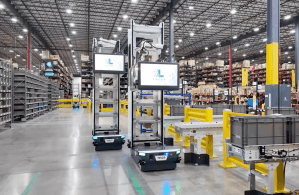
The cost-savings plan is aligning with increased productivity, the company says, with the delivery company closing 45 sorting centers far this year and shuttering nine full buildings as it focuses further on automation in the warehouse.
“We now process 63 percent of the volume in our hubs in some sort of an automated way,” Tomé said That’s up five percentage points from a year ago.”