A long-running border dispute between Thailand and Cambodia has escalated into a full-blown restriction in land border crossings. The move could potentially have a ripple effect on vessels seeking to stop at ports in both countries and compel apparel manufacturers to reevaluate their supply chain operations in the region.
Tensions between the textile-producing nations inflamed in May when armed clashes along the border left one Cambodian soldier dead.
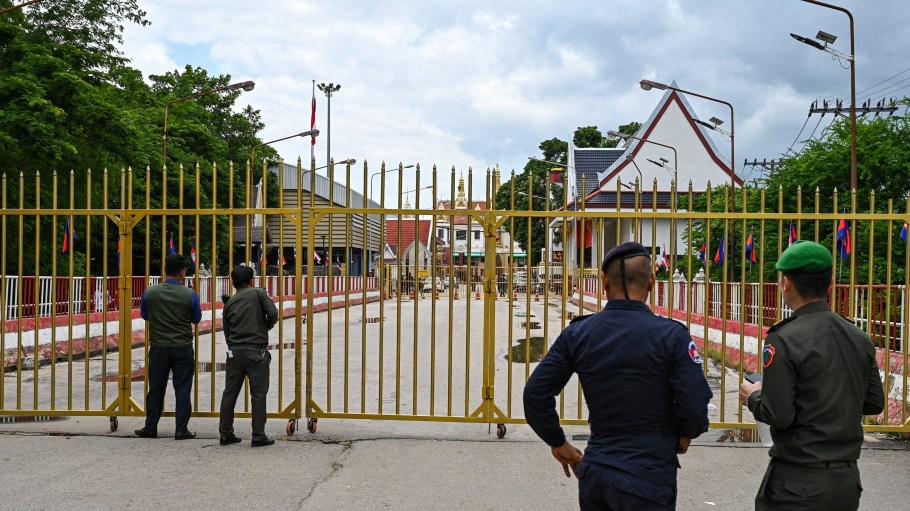
On June 23, the Thai military ordered all permanent and temporary land border checkpoints between Thailand and Cambodia to close. This included suspending all cross-border vehicle movement and trade activities, except for humanitarian purposes, until further notice.
Related Stories
In total, six permanent and 10 temporary checkpoints along the Thai-Cambodian border were shut down.
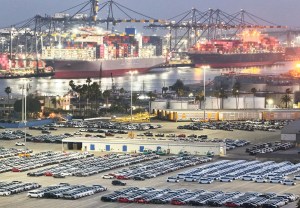
Since the land border closures, seaports in both countries have remained open. There has been no direct impact on service lines yet, as there has been when India and Pakistan began a trade standoff that has effectively required ocean carriers to prioritize stops at one country over another.
On Wednesday, ocean carrier Hyundai Merchant Marine (HMM) sent an advisory “strongly” recommending customers against dropping off cargo at a Thailand port and using the trade route for in-transit shipments to Cambodia under merchant haulage.
Merchant haulage is a clause in which the shipper is responsible for arranging and paying for the inland transportation of goods, and not the container shipping liner.
“Please be advised that any arrangements made via this route may result in additional costs, longer processing times, and significant delays—all of which will be sole responsibility of the customer,” the HMM advisory said. “We kindly ask for your understanding and strongly discourage the use of in-transit arrangements via Thailand to Cambodia.”
According to the South Korean container shipping firm, the Royal Thai Army Headquarters has not issued any additional guidance on the situation.
Aside from HMM, none of the other major carriers have delivered advisories to customers on how to approach trade with either country.
“Clearly shippers with any other carrier will face the same problem if planning to move cargo over land between Thailand and Cambodia,” said Lars Jensen, CEO of container shipping consultancy Vespucci Maritime, in a LinkedIn post Thursday.
However, Cambodia-bound ocean shipments via Thailand may also face delays, according to an analysis from Kuehne + Nagel.
The logistics giant listed Thailand’s Laem Chabang Port as “slightly disrupted,” saying that congestions at two major terminals have improved over the past week and truck waiting times have reduced to three hours.
During the week prior, the port racked up delays for export shipments because of a shortage of containers at the Lat Krabang Inland Container Depot in Bangkok. This due to a lack of available truck drivers to transport empty containers from Laem Chabang to Lat Krabang.
Despite this week’s improvements, “fluctuations may occur from day to day,” the Kuehne + Nagel update read. “Turnaround time between Laem Chabang and the Lat Krabang area has improved to an average of three to five days, and is expected to remain stable. The port is allowing early export gate-ins on application.”
The border concerns could have impacts on apparel companies with manufacturing operations based in Cambodia as well, even pushing them to seek new suppliers for the duration of the closure.
According to a report from Nation Thailand, many Cambodian buyers have been forced to source products elsewhere, with some Thai manufacturers now needing to delay shipments or suspend operations—particularly for factories in Cambodia reliant on Thai raw materials, such as garments.
The border drama unfolds as both countries are currently in negotiations with the U.S. in the hope of conjuring up new trade deals. As part of his wider array of country-specific “reciprocal” tariffs on U.S. trade partners, President Donald Trump hit both neighboring southeast Asian nations with high tariffs at the start of April.
Cambodia was slapped with a 49 percent tariff, while duties on Thailand goods reached 36 percent. Those tariffs got a 90-day reprieve shortly after to make room for the negotiations, with both countries since having 10 percent baseline tariffs on all products exported to the U.S.
The countries have a deadline of July 9 before the tariffs revert to their initially proposed figures, although the White House referred to the target date as “not critical” on Thursday.
Trump said during a press conference Friday morning that he plans to send a letter to all countries next week, informing them of their tariff rate. The president acknowledged that July 9 was not a fixed date.
“We can do whatever we want. We could extend it. We could make it shorter,” Trump said. I’d like to make it shorter. I’d like to just send letters out to everybody: ‘Congratulations. You’re paying 25 percent.’”