ShipBob is pulling out more stops to get importers prepped for the official closing of the duty-free de minimis provision later this month.
On Friday, the e-commerce fulfillment provider unveiled a “de minimis defense program” aimed at helping merchants that are expected to feel impacts after the trade exemption is scrapped on Aug. 29.
In late July, President Donald Trump signed an executive order to end the Section 301 provision, which allows importers to bring packages worth $800 or less into the U.S. tax free. The executive order applies to packages from all countries, building on the initial de minimis suspension that was slapped on parcels from China in early May.
Related Stories
E-commerce businesses have long relied on the trade provision to bring in low-value packages into the U.S. as it allowed them to skirt paying duties. With the new suspension set to take place, these sellers will mostly have to pay duties equal to the tariff rates imposed by Trump for each individual country. Four million de minimis-eligible packages were shipped to the U.S. each day throughout 2024.
ShipBob revealed the program ahead of the company’s Fulfilled 2025 annual merchant event, which is taking place from Aug. 10-12 in Fort Worth, Texas, as part of its wider summer product release.
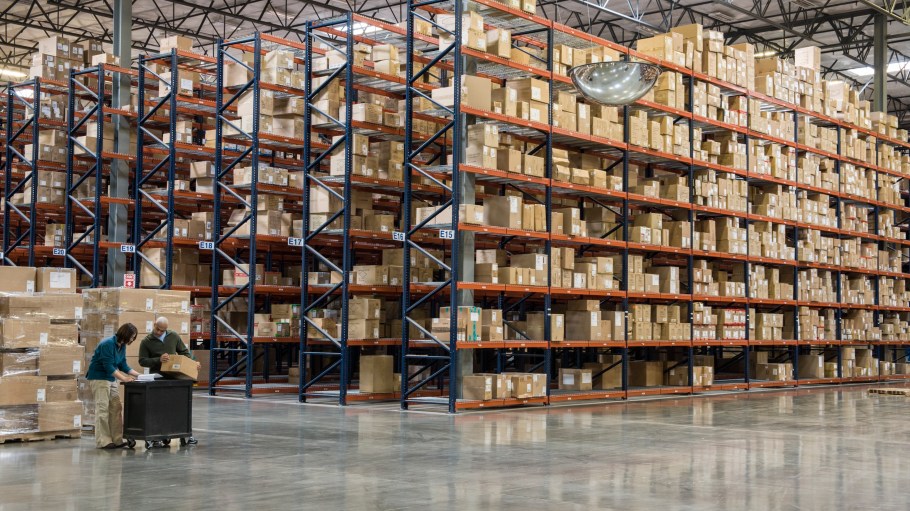
When entering the program, sellers can onboard their technology and operations in as fast as one week across any of ShipBob’s more than 60 global fulfillment centers, the company said. Program members are eligible for a free tour a ShipBob hub in the U.S.
Entrants will get discounts of up to 75 percent on implementation and onboarding fees, as well as a 50-percent discount on the first inbound order within the inventory placement program.
ShipBob is also discounting inbound receiving costs, as well as U.S. and cross-border fulfillment rates. Additionally, the third-party logistics (3PL) firm offers discounted VIP access to its referral network partners. These partners offer services including tariff mitigation strategies, HTS and HS-code optimization, importer of record documentation and product compliance services.
“We launched the De Minimis Defense Program because our current and future customers needed a fast, strategic response to one of the biggest cross-border changes in years,” said Divey Gulati, chief operating officer and co-founder of ShipBob, in a statement. “Merchants that relied on low-duty or duty-free imports are suddenly facing massive cost, cash flow and compliance pressures. Many merchants need our infrastructure, technology and support to protect their margins and future-proof their business.”
To complement the defense program, ShipBob now operates two foreign-trade zone (FTZ) warehouses in its network near the firm’s West Coast hub in Moreno Valley, Calif. and its northeast hub in Kutztown, Pa., respectively.
While FTZ warehouses are physically in the U.S., they are designated zones considered outside of U.S. Customs and Border Protection domain that can give importers advantages in a tariff-heavy environment. They gained rapid popularity in the weeks after the Trump administration began imposing its “reciprocal” tariffs in April, when companies were looking for ways to better maneuver additional duty payments.
FTZs can enable brands and other importers to defer duties to a later date, maintain their goods on U.S. soil and preserve cashflow, pull forward revenue and protect margins. There’s no time limit to how long inventory can be hosted.
All ShipBob Plus-qualified brands will have access to the bi-coastal FTZ warehouses. The company released its ShipBob Plus premium fulfillment solution in April to offer users more tailored supply chain planning, technology and retailer integrations and support.
In recent months, the fulfillment provider has launched other add-ons to its wider platform, including a financing program, ShipBob Capital, and a new “zone-skipping” feature designed to cut transit times.
Introduced in June, ShipBob’s zone skipping capabilities enable the company to transport shipments in dedicated trucks to different regions and then use carrier partners for last-mile delivery, minimizing handoffs and lowering the risk of package delays and damage. A new integrated tracking page, TrackBob, was launched to monitor orders from warehouse to delivery.
Last August, ShipBob began fulfilling Section 321-compliant, U.S.-bound orders out of fulfillment centers in Toronto, Canada and Tijuana, Mexico as more e-commerce sellers leveraged the “loophole,” as many American lawmakers have referred it. The company closed the Tijuana fulfillment center by the end of the year.