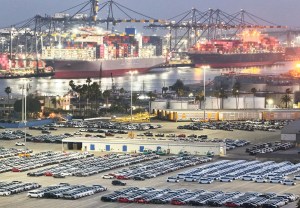
Hong Kong-based port operator CK Hutchison Holdings is considering inviting a “major” Chinese investor to join the consortium that had agreed to acquire 43 ports worldwide, including two ports on the opposite sides of the Panama Canal.
The 145-day exclusivity period for the $22.8-billion deal that was set to transfer the ports in the hands of BlackRock and Mediterranean Shipping Company (MSC) concluded Sunday, opening up the deal to new participants.
Hutchison revealed it was in ongoing discussions about procuring a new investor in a filing with the Hong Kong Stock Exchange, but did not reveal the Chinese entity. The filing indicated that the investor would be a “significant” member of the consortium.
Related Stories
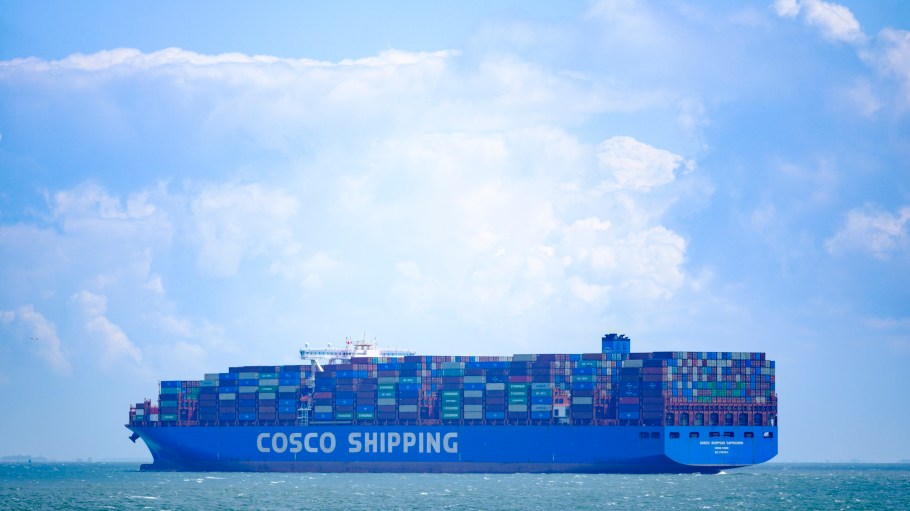
Previous reports have tied China’s state-owned container shipping giant, Cosco Shipping, to a stake in the transaction.
The parties initially agreed to the deal on March 4, in what was seen as a monumental win for U.S. President Donald Trump and his administration’s desire to “take back” the Panama Canal and rid the area of any Chinese influence.
But on the other end, Chinese President Xi Jinping had reportedly been angry that a deal took place, with state media going on the offensive to criticize the agreement. This presumably prompted the country to launch its antitrust review into the deal ahead of the April 2 deadline for the Panama ports portion of the deal to be signed. As a result, China has reportedly pushed for Cosco to get involved in the transaction.
A Financial Times report published Monday morning suggests that under one of the options discussed for how the deal would play out, Cosco would receive a stake in the 41 ports originally included in the transaction. However, this would not include the Panama Canal-adjacent ports of Balboa and Cristóbal.
Keeping Cosco at a distance from the Panama ports is the most likely option to avoid any U.S. scrutiny.
“The Chinese government will conduct lawful regulation, firmly safeguard national sovereignty, security and development interests, and uphold justice and fairness in the market,” said China’s Foreign Ministry spokesperson Guo Jiakun during a Monday daily briefing.
There is still no guarantee any deal at all will take place. CK Hutchison would be open to bids from other parties now that exclusivity has ended, according to a Reuters report.
According to the filing, any changes to the membership of the consortium and the structure of the transaction will still need to be approved by all relevant authorities. CK Hutchison reiterated it would not proceed with a deal unless it got regulatory approval.
The group intends to “allow such time as is required” for the discussions to play out.
The original deal had two components with different ownership structures.
Initially, MSC-BlackRock would acquire CK Hutchison’s 90-percent interest in its subsidiary, Panama Ports Company. That subsidiary owns both the ports of Balboa and Cristóbal. That portion would still need the Panamanian government to approve the proposed transaction.
The latter portion of that acquisition involved transferring 80 percent of the operations at the other 41 ports to the consortium. Of that portion, MSC’s port operator Terminal Investment Limited (TIL) would amass a 51-percent stake in the global ports’ assets, with a BlackRock entity controlling the remaining 49 percent.
Ricaurte Vásquez Morales, administrator at the Panama Canal Authority (ACP), told the Financial Times in June that the sale could potentially throw a wrench in the Panama’s Canal long held position of neutrality, namely because of the high concentration of capacity that would be held by one shipping company—in this case, MSC.
Panama’s government has indicated that it is skeptical of the deal, already saying CK Hutchison owed the country hundreds of millions stemming from their previous contract. The country’s Supreme Court is currently mulling the deal after the attorney general released an opinion finding it unconstitutional.
The negotiations between the parties endure amid the larger backdrop of an ongoing trade war between the U.S. and China since President Trump took office, with both countries beginning their third round of trade talks in Sweden Monday. The Panama Canal and the adjacent ports have been yet another subject of the geopolitical tug-of-war between the countries, with Secretary of State Marco Rubio citing Hutchison’s Hong Kong ties as a national security concern.
Already a significant conduit in global trade, the Panama Canal plays a major role in facilitating container shipping flow into the U.S. The canal sees 46 percent of the total market share of containers moving from Northeast Asia to the U.S. East Coast, according to the U.S. Department of Commerce.