This week’s earnings calls revealed progress on apparel retail’s supply chain cost-cutting plans and the upside to falling freight rates.
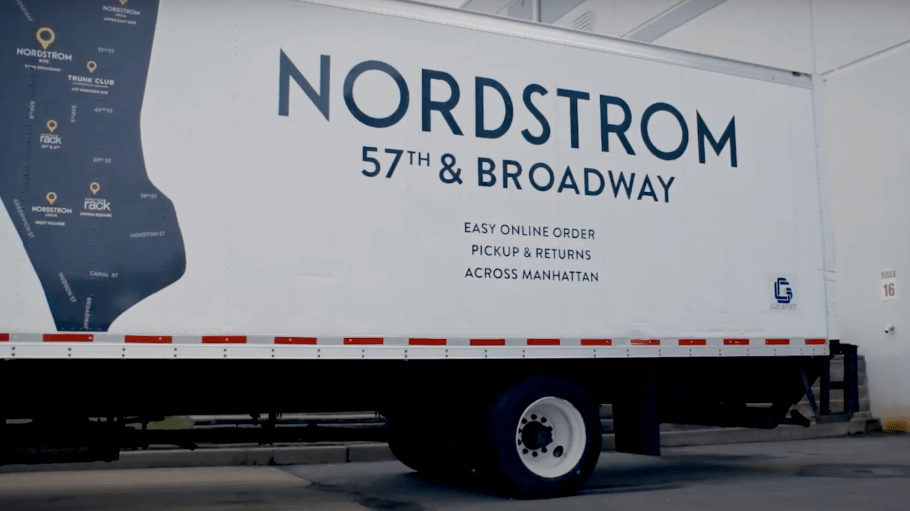
Nordstrom’s supply chain optimization initiatives are reining in expenses and getting products to consumers faster, CEO Erik Nordstrom told Wall Street analysts and investors.
After improving distribution and fulfillment center productivity and throughput 20 percent in 2022, the retailer is seeing significant cost benefits as it scales its 1-million-square-foot West Coast omnichannel fulfillment center in Riverside, Calif.
Related Stories
Compared to the first quarter of 2022, supply chain costs per unit in the second quarter this year were 5 percent lower despite inflation, the CEO told investors.
For the fourth consecutive quarter, variable supply chain costs fell by over 100 basis points (1 percentage point) as a percentage of sales versus the prior year, although the company will “start to see that moderate a little bit in the quarters going forward,” chief financial officer Cathy Smith said.
The company credited the supply chain optimization initiatives for the 5.3 percent earnings before interest and taxes (EBIT) margin it reported for the second quarter, up 20 basis points from last year.
In May, Nordstrom said delivery speed was up 9 percent from the year prior.
Even as it saves time and money, Nordstrom is still feeling the fallout from a supply chain change last year.
The company stopped fulfilling online orders from Nordstrom Rack stores starting in the third quarter of 2022 because doing so negatively affected sales.
Despite all the logistics challenges today, from Panama Canal congestion, to the Yellow bankruptcy or labor negotiations at UPS and West Coast ports, Abercrombie & Fitch is in a “good place.”
“The supply chain is in a good place with freight costs, shipping times and performance significantly better than last year,” said Scott Lipesky, chief financial officer and chief operating officer of Abercrombie & Fitch.
The specialty retailer saw a profits bounce back in the second quarter with $56.9 million in net income, and gross margins jumping 460 basis points (4.6 percentage points) to 63.5 percent.
Approximately 340 basis points (3.4 percentage points) of the margin improvement came from freight benefits.
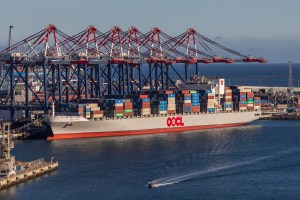
“When you think about transportation inbound, ocean sailings are better than they have been in years,” Lipesky said. “Timing is better. Fulfillment rates are better.”
Lipesky said the improvement in shipping times, freight costs and performance has led Abercrombie to “once again run the business the way we would like” and chase inventory to remain conservative with merchandising levels.
Gap Inc. is another specialty retailer that has touted benefits from freight, both in the ocean and in the air.
While the Old Navy and Athleta parent expected 200 basis points (2 percentage points) of margin headwinds related to inflationary pressures, Gap Inc. instead saw a better-than-anticipated 140 basis points (1.4 percentage points) of headwinds.
“That was really because we saw rates in the freight area get better through some negotiations we just finished with some of our big suppliers,” said Katrina O’Connell, executive vice president, chief financial officer, Gap Inc., in the company’s second quarter earnings call.
The company saw air freight benefits of 200 basis points (2 percentage points) in the quarter from the year prior, helping propel gross margins 310 basis points (3.1 percentage points) to 37.6 percent.
Like Gap Inc., Guess expects gross margins to expand in 2023, “fueled mainly by the cost improvements we’re enjoying as the supply chain and shipping environment have returned to normal,” said chief financial officer Markus Neubrand.
Freight costs, which are rising again since July, could still be a tailwind for many retailers into 2024.
“We do not advise shippers to rush to ‘lock rates’ at the current levels via year-long or longer contracts,” Philip Damas, managing director, Drewry Supply Chain Advisors, previously told Sourcing Journal.
Notably, there was no reference to Gap’s logistics and fulfillment services division, GPS Platform Services, in the earnings call. With new CEO Richard Dickson taking over the role on Aug. 22, it is unclear what the plans are for the growth of those services.
Like American Eagle Outfitters’ Quiet Platforms, the GPS service was designed to open up Gap Inc.’s omnichannel fulfillment, warehousing, parcel shipping and reverse logistics services to companies outside its portfolio. However, Quiet’s shakeup earlier this year, which saw the departure of Shekar Natarajan as CEO, suggests that it could still be difficult for retailers to build out their own profitable third-party logistics services.