As UPS and FedEx aim to adjust their air cargo networks after the Federal Aviation Administration (FAA) ordered a temporary grounding of all MD-11 aircraft nationwide, another smaller carrier is currently feeling a bigger crunch due to its higher concentration of the widebody aircraft.
Tom Romnios, vice president of human resources at Western Global Airlines (WGA), said in an internal memo to employees that the air carrier was furloughing all MD-11 pilots effective Friday. The memo was first posted on LinkedIn by airline pilot and podcast host Nik Fialka on Monday.
Related Stories
Initially, WGA had anticipated that it would have an approved “noninvasive” inspection protocol in place by Nov. 14 to return the aircraft to service. However, the note indicated that the planes would instead be subject to “highly invasive” inspections and require repairs and part replacements, resulting in an extended grounding of the MD-11 fleet.
There is no timetable for how long the inspections will take place.
The FAA’s order, which went into effect nationwide on Nov. 8, was in response to a fatal plane crash at UPS’ Worldport air cargo hub in Louisville, Ky. days earlier. That crash shuttered the hub’s operations overnight, and resulted in the death of 14 people.
Ahead of the directive, UPS grounded its 26 MD-11 planes, which represent roughly 9 percent of aircraft at the logistics giant, not including chartered planes. Rival FedEx followed suit after the FAA’s call, putting its 28 MD-11s on ice. Those jets account for roughly 4 percent of the delivery firm’s fleet.
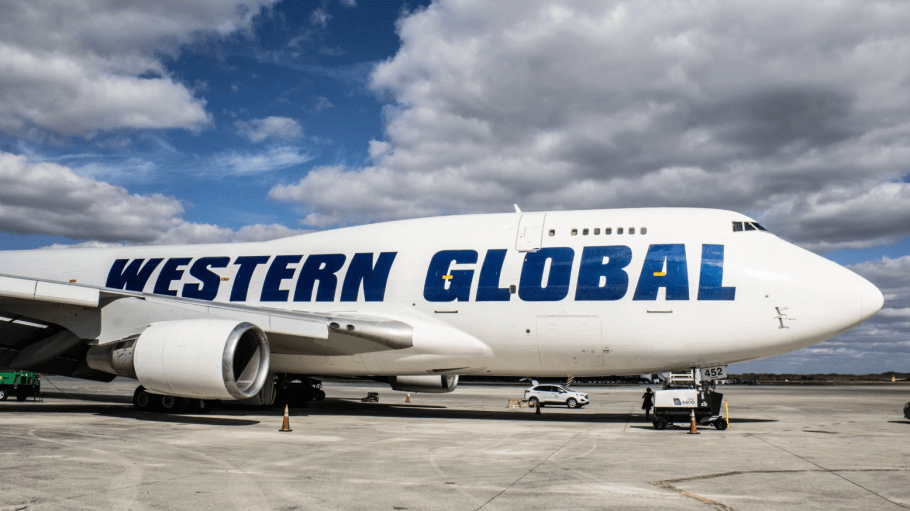
Western Global Airlines is the only other U.S. cargo airline that flies MD-11s, owning 16 of the planes. Twelve of them had already been put in storage. The company also owns three Boeing 747 freighters.
“This is devastating to WGA,” said Romnios in the memo to employees. “Even though WGA has a perfect safety record, [the airline] is the most negatively affected by the UPS crash…The current situation is untenable, threatens the company’s survival, and leaves WGA no choice.”
In total, Western Global Airlines has 147 pilots, according to the Air Line Pilots Association. It is unclear the exact number of pilots that have been furloughed.
The cargo airline filed for bankruptcy protection in August 2023, successfully emerging from Chapter 11 four months later. According to the note, WGA never had furloughs or pay cuts in its 12-year history prior to the current grounding.
Boeing, which manufactures planes for UPS and FedEx and recommended both companies to ground the planes ahead of the order, is coordinating with the FAA on the inspection procedures. In 1997, the aircraft manufacturing giant merged with MD-11 builder McDonnell Douglas.
Before the memo to Western Global’s employees was released, FedEx brass was more optimistic about the situation.
John Dietrich, chief financial officer of FedEx, said the company will not have to wait for the whole fleet to be inspected before concluding whether the planes can safely go back into service.
“Once the aircraft is inspected…if it passes that inspection and is released, those aircraft will start to get back into the fleet on a one-off, tail-by-tail basis,” Dietrich said during the Baird Annual Global Industrial Conference on Nov. 11.
Dietrich also noted that the company has spare aircraft it is deploying in place of the grounded MD-11s, and will adjust maintenance schedules throughout the inspection process. Additionally, the logistics firm will leverage its partner commercial airlines more often to move cargo throughout the period.
UPS hasn’t made public comment on its possible adjustments, but the company is also reportedly turning to other carriers to assist in moving capacity.
According to a report from air cargo publication Cargo Facts, Cargojet deployed two of its Boeing 757-200 freighters in support of UPS while the integrator’s MD-11 fleet is grounded. Another air cargo operator, Amerijet, is flying one Boeing 767 freighter in the UPS network through December.
Last Thursday, the National Transportation Safety Board (NTSB) released its preliminary report on the UPS crash, indicating that it found evidence of “fatigue cracks” in several areas that secured the engine to the left wing.
The plane lost its left engine during takeoff. Imagery in the report shows the engine and its pylon detaching and flying up into the air in a ball of fire almost immediately after takeoff. The plane did not climb higher than roughly 30 feet above ground level before crashing.