DHL and CMA CGM are betting that biofuels can move the needle on maritime emissions, unveiling a new partnership designed to decarbonize container shipping without disrupting global supply chains.
Under the agreement, the two logistics giants will jointly use 8,900 metric tons of a lower-carbon biofuel, a move expected to cut about 25,000 metric tons of greenhouse gas (GHG) emissions for ocean freight shipped through DHL’s GoGreen Plus and CMA CGM’s ACT+ programs. The estimated cuts accounts for emissions across the fuel’s entire lifecycle—from production to consumption.
Related Stories
The two companies will use the biofuel UCOME, which stands for used cooking oil methyl ester, as an alternative to traditional fuels. The second-generation biofuel is produced by recycling used cooking oil, instead of growing new crops for fuel.
The joint decarbonization initiative is aimed at helping both companies reach their net-zero GHG emissions targets by 2050.
This initiative is expected to have a trickle-down effect for the European carriers’ customers, enabling them to cut the carbon footprint of their international supply chains.
DHL’s GoGreen Plus service enables customers to select sustainable marine fuel options for their transport, which the company says make room for reductions of up to 80 percent GHG emissions compared to conventional maritime fuel.
“This collaboration marks another milestone in our mission towards low-carbon supply chains,” said Casper Ellerbaek, head of global ocean freight at DHL Global Forwarding, in a statement. “By leveraging sustainable marine fuels, we help our customers achieve their climate goals and drive real progress toward decarbonization.”
CMA CGM’s ACT+ program similarly gives shippers a chance to cut emissions by paying a premium price. The program enables customers to reduce the carbon footprint of their shipments by 10 percent to as much as 83 percent, using low-carbon fuels such as waste-derived biofuels.
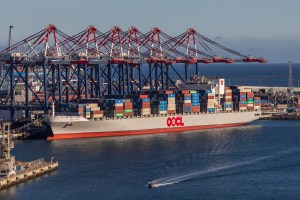
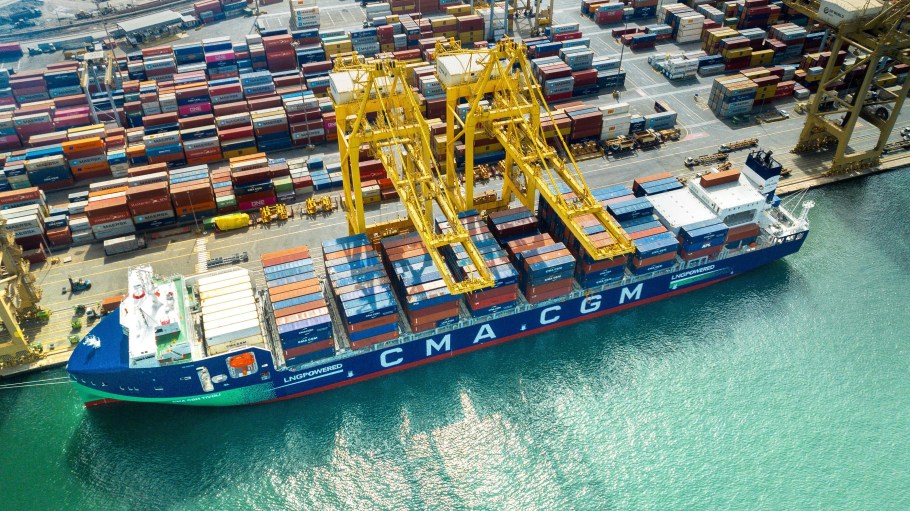
As part of the partnership, the French ocean carrier said it would physically bunker the biofuel across its fleet, ensuring that emission reductions correspond to DHL’s “book and claim” approach.
Under book and claim, the buyer books a specific quantity of sustainable fuel at the time of purchase and then claims the emissions reduction toward their sustainability targets. As a result, the buyer owns the environmental benefits without physically possessing the fuel.
“Our partnership with DHL demonstrates how collaboration can accelerate the shift to low-carbon shipping,” said Olivier Nivoix, executive vice president of shipping at CMA CGM Group, in a statement.
According to Nivoix, CMA CGM has cut the carbon intensity of its shipping activities by 57 percent since 2008 due to its heavy investments in alternative fuels and dual-fuel vessels. By 2029, CMA CGM expects its dual-fuel fleet to reach 162 vessels, including 24 powered by methanol.
With the partnership in place, both companies say they will explore more opportunities to scale up lower-carbon fuel usage and develop additional collaborative approaches to decarbonize international supply chains.
CMA CGM has started similar partnerships with shippers in recent years, including a year-long deal with Nike to help the athleticwear giant decarbonize its ocean freight. Through May 2024, Nike transported 36 percent of volume shipped via CMA CGM on one of their vessels using sustainable biofuel. Through the year, Nike reduced their CO2 emissions by 25,000 tons.
The container shipping company has also partnered with Fruit of the Loom, helping the underwear brand cut CO2 emissions by nearly 3,000 tons from January 2023 to March 2024.