A coalition of 36 Bangladesh-based apparel manufacturers wants to take legal action against a freight forwarder for unpaid dues following the 2020 bankruptcy of U.K.-based department store Debenhams.
The ready-made garment exporters, known as the Debenhams Vendors Community, issued a legal notice against Expo Freight Limited (EFL) in April, alleging that the freight forwarder has failed to pay $10.2 million in arrears. Maersk and Hapag-Lloyd, as well as container services company BLPL and freight forwarders TPL and Skyways Limited were also included in the legal notice.
Related Stories
If a payment is not made by Oct. 20, the collective of manufacturers plan to sue Expo and the remaining parties. The community also plans on protesting outside the Expo office in Dhaka if the deadline passes without a payment.
“Following the issuance of the legal notice, EFL and Maersk Line contacted us and agreed to pay 70 percent of the freight on board value for the goods transported by Maersk Line. We received $5.84 million so far while $10.21 million remains due,” said Debenhams Vendors Community convener Md Zahangir Alam during a press conference at the Economic Reporters’ Forum in Dhaka on Oct. 5.
Debenhams initially appointed EFL to help the retailer import apparel items from the Bangladeshi suppliers, which the vendors claim makes the freight forwarder and its logistics partners legally responsible for the payments.
But the department store’s bankruptcy in 2020 has caused financial hardship for the garment exporters in the time since. Alam has sought intervention from the Bangladesh Bank and the National Board of Revenue (NBR), saying that if payments are not received by Oct. 21 that factories will be unable to pay their workers.
“Most of the Debenhams suppliers are now fighting to survive,” said Alam. “We are unable to pay wages in time now. Most of these factories will be closed unless we can get the money back in a fortnight, and hundreds of workers will lose their jobs if the factories are closed down.”
Alam said that the vendors supplied garments worth $70.5 million before Debenhams went bankrupt. Over the past four years, around $60 million of this amount has been settled, according to the community.
“We tried to solve this matter and succeeded to some extent. However, due to the negligence of the EFL, we are yet to receive the total export payments,” Alam said. “We contracted with the administrator and lodged our claim. We had several Zoom meetings and managed to sell the goods lying at the U.K. port and in transit to the administrator.”
Alam also said that total export value of the 36 exporters exceeds $5 billion annually. But many of the businesses are small and medium-sized companies that cannot absorb such losses.
A report from supply chain publication The Loadstar said Expo Freight Limited denied the claim in the report, saying the $10.2 million figure mentioned is incorrect, and noted that the forwarder had “no idea how much the suppliers could recover from the buyer” in this instance.
However, Expo did say it would work together with the factories to recover the remainder of payments. Expo has about 10 percent market share of the freight forwarding businesses in Bangladesh, the report said.
Sourcing Journal reached out to Expo Freight Limited.
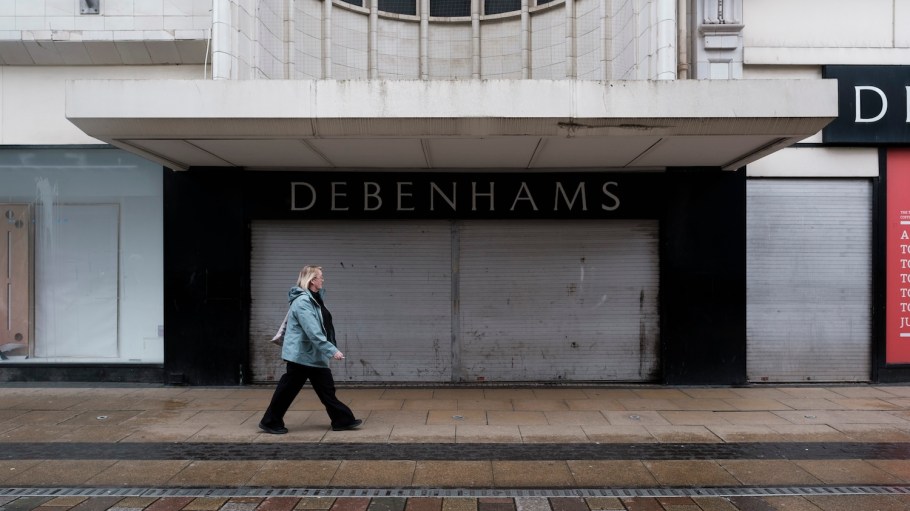
Debenhams fell into administration in April 2020 after 242 years in business, in a period where the early Covid-19 pandemic struck a blow to multiple U.K.-based fashion retailers that had already been struggling. The company shuttered all its stores in liquidation, but still exists in e-commerce form after its intellectual property assets were scooped up by British fast-fashion retailer Boohoo for $75 million.
Soon after Debenhams applied for liquidation and the court appointed an administrator, the Bangladeshi vendors formed the vendors community to negotiate and realize any payments that the company owed, Alam said.
Bangladesh’s garment sector is a critical component to the country’s export economy, serving as the second-largest of its kind worldwide. In 2023, Bangladesh exported $47.4 billion in total apparel, representing 85.3 percent of the $55.6 billion in total goods shipped out of the market, according to the country’s Export Promotion Bureau (EPB).
The industry has had to endure various disruptions throughout 2024 as the country dealt with deadly nationwide protests over government job quotas that resulted in the resignation of Prime Minister Sheik Hasina in August. The protests forced dozens of factories to close and clogged up cargo at the country’s major ports, preventing the swift exit of apparel out of Bangladesh.