As the threat of a second strike at the East and Gulf Coast ports nears and the ongoing Red Sea crisis shows no signs of abating, a top political voice of the apparel and footwear industries is urging major stakeholders to bring an end to the twin issues bringing so much uncertainty to the supply chain.
The American Apparel & Footwear Association (AAFA) sent two separate letters Tuesday—one to President Joe Biden calling for the U.S. government to significantly increase its efforts to protect commercial shipping in the conflict-ridden waterway.
Related Stories
The association sent a second letter to International Longshoremen’s Association (ILA) president Harold Daggett and U.S. Maritime Alliance (USMX) chairman and CEO David Adam, calling on both parties to return to the negotiating table and finalize a new contract and avoid another port strike in January. The ILA walked away from contract negotiations on Nov. 12 again over gripes with the use of automation at the ports, which the union contends will eliminate jobs.
Steve Lamar, president and CEO of the AAFA, penned and signed the letter to Biden exactly one year after the Galaxy Leader cargo ship was attacked and seized by the Yemen-based Houthi militia, who have attacked more than 100 other ships and sank two vessels since.
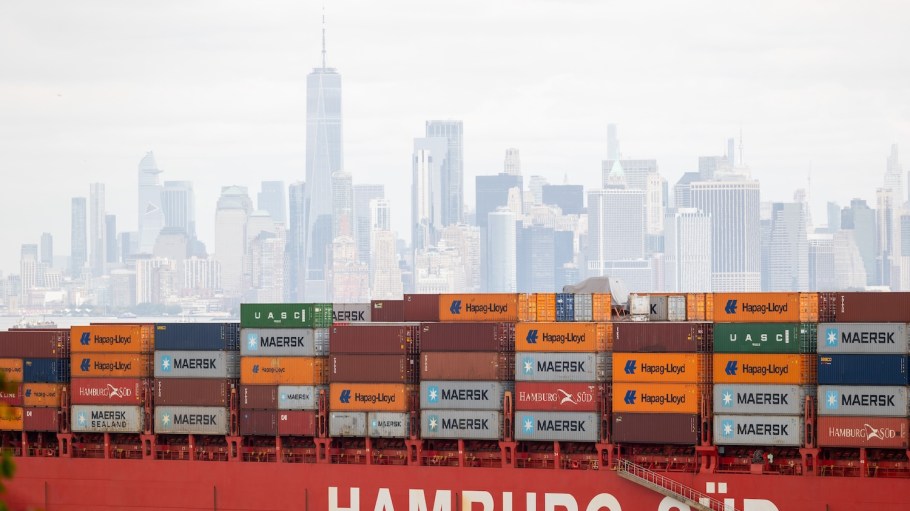
All major ocean carriers have largely avoided the Red Sea since the attacks escalated, with companies like Mediterranean Shipping Company (MSC) and Maersk instead opting to reroute their ships around southern Africa’s Cape of Good Hope. Maersk and Hapag-Lloyd already ruled out an early 2025 return to the Suez Canal as part of their soon-to-launch Gemini Cooperation alliance in February, citing customer concerns about volatility in the region.
Retailers and brands have felt the pain from the ship diversions, namely via an escalation in freight rates that has persisted throughout 2024, as well as longer lead times that tack on one to two weeks of extra wait for deliver.
“For each trip, an additional 900 tons of fuel worth approximately one million dollars is required, which, in turn, increases emissions for each ship by approximately 2,700 tons of CO2,” Lamar said. “The rising emissions contribute to global warming and hinder companies’ ability to meet sustainability goals…The costs from rerouting cannot be endured any further and are harming the American economy, American workers and American consumers.”
Lamar also cited another problem stemming from the longer routes—equipment shortages occur as containers travel on ships for longer than expected. This contributes to further delays and backlogs which risks shortages of goods waiting to be shipped.
With the apparel and footwear industries bearing the brunt of the added costs and shortages, Lamar called on the Biden administration to “dramatically expand the fight to uphold the fundamental right to freedom of navigation. We ask you to substantially increase your efforts using your diplomatic, military, and economic tools.”
Like the Red Sea crisis, there is no telling how the contract negotiations on the East and Gulf Coast ports are going to end—only making the start of 2025 more uncertain for U.S. importers.
The Jan. 15 negotiation deadline would come just two weeks before the start of the Lunar New Year, which could result in a rush of imports ahead of the shuttering of factories across China. On top of that, the deadline nearly coincides with Donald Trump’s presidential inauguration, which many anticipate could result in an even bigger deluge of imports amid concerns that his projected tariff plan could make container prices skyrocket.
“We are already seeing companies reroute upcoming shipments to the West Coast in preparation for a potential strike, which will cost the East and Gulf Coast ports business both short- and long-term,” said Lamar.
Lamar emphasized some of the supply chain problems that occurred due to the three-day work stoppage to kick off October, noting that disruptions continue to linger in certain ports like including Savannah, the second-largest importer of apparel, footwear, and accessories on the East and Gulf Coasts.
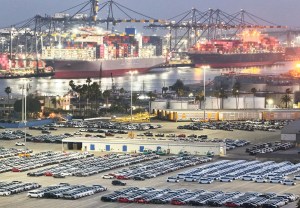
Additionally, the increase in goods into ports including Los Angeles and Long Beach resulted in a two-year high for rail cargo dwell times, Lamar pointed out. October dwell times totaled 9.86 days, according to the Pacific Merchant Shipping Association.
“The economy cannot afford another significant disruption at the East and Gulf Coast ports at this critical time,” said Lamar.
The AAFA had previously called on President Biden to intervene in the contract negotiations ahead of the October strike, and had pled earlier in the year with the administration to help restart the talks after they died out in late 2023.