As Sri Lanka prepares for presidential elections on Sept. 21, the anxiety among local business leaders is palpable.
This comes as no surprise following the events of the last two years as the country was forced to declare bankruptcy, followed by protests and the resignation of then president Gotabaya Rajapaksa in July 2022.
Ranil Wickremasinghe, who was chosen by the parliament to complete the rest of the term for the party, was facing a $83 billion debt and inflation of more than 70 percent.
Related Stories
Many credit Wickremasinghe with economic savvy, and the results have been clear: in June inflation was down to 1.7 percent, and there was a forecast for growth in 2024 after years of decline. It’s been a mixed bag, however. One the one hand, relief for the rescue from the brink, and on the other, high energy bills and stringent tax measures imposed by a $2.9 billion bailout from the IMF.
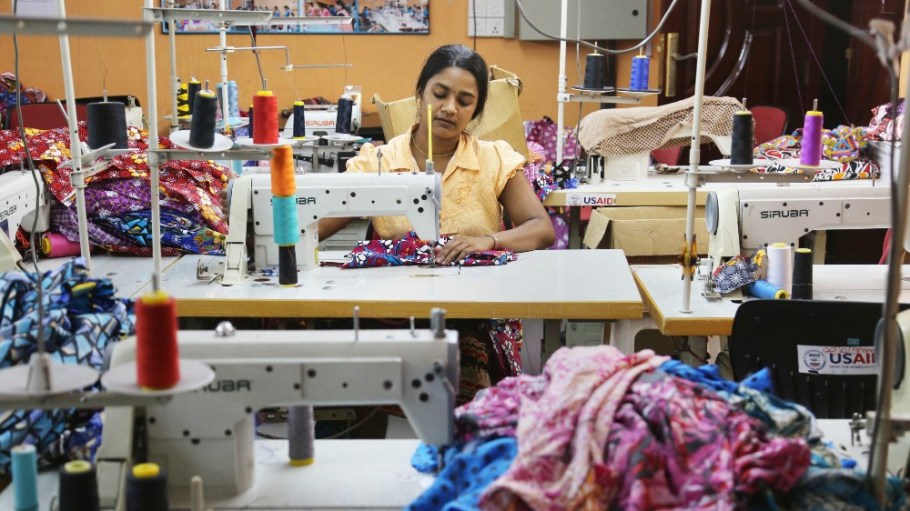
Through this process, the apparel industry has been at the forefront, a bulwark for foreign exchange for the strapped economy. Battling shortages of materials, lack of foreign exchange for purchases and the global slowdown last year, the expectation for growth is welcome.
One of the issues facing manufacturers is the government’s handling of the Simplified Value Added Tax scheme (SVAT). This scheme requires manufacturers to make a payment of an 18 percent tax upfront, which can be claimed back from the department. Although the system would mandate that the VAT would be refunded within 45 days, many businesses recall from times past that these refunds often take longer, and sometimes hold up the entire cash flow.
“It is a luxury that small manufacturers simply don’t have any space to accommodate,” Rumesh Perera, managing director, Sun Queen Apparel Private Limited told Sourcing Journal. “I think even bigger companies have the same concern, but more the small and medium manufacturers because our working capital and our budgets are very tight.“
“On a daily basis we purchase alot locally—raw materials, small accessories, furniture, computers—and that’s where the VAT is included. Earlier, it was 12 percent, now it is 18 percent. With the upcoming change, we would have to pay VAT upfront and then claim it later. Small manufacturers live day to day, our cash flow has very little room for delays. Even the payments from buyers are very crucial. So, this issue plays a huge role for us, given also that we have very little funds to allocate to those additional administrative costs.”
Other small manufacturers told Sourcing Journal that this would likely discourage apparel exporters from sourcing materials domestically, and look toward importing raw materials, adding to the steep depreciation of the Sri Lankan rupee at a time when the apparel export industry was just gaining traction.
In 2023, the industry exported $4.53 billion compared with $5.59 billion in 2022, and things have been looking up in recent months according to government data. In June, apparel exports touched $418 million up from $402 million in June the previous year. July is estimated at approximately $550 million, up from the same period last year by an estimated 5 percent. There’s runway ahead as well as many industry think Sri Lanka stand to benefit from the turmoil in Bangladesh.
“Things are settling down, there’s been a bit of an uptick, we’re slowly recovering,” Yohan Lawrence, secretary general, the Joint Apparel Association Forum (JAAF) told Sourcing Journal. “Reinstating a VAT refund system would place additional administrative burdens on the industry, leading to increased costs and resource misallocation. It will also discourage raw materials if it goes through, and the potential inefficiencies and increased costs could make it counterproductive,” he said.
“Our position is that the removal of the SVAT scheme is revenue neutral to the authorities and will entail a lot of additional effort and time on the part of both companies and the department, for no real value addition.”
Given the importance of the issue, the date for introducing it has been delayed to March 2025 (from January this year).
“We are lobbying hard to stop this happening, but at the moment it appears that it has just been pushed back so it does not hamper the presidential election process with unhappy constituents,” a manufacturer who asked not to be named observed.
Bandula Fernando, chairman, Sri Lanka Chamber of Garment Exporters emphasized the point.
“At such a time, the removal of SVAT without first establishing a viable and efficient refund mechanism is going to drastically disrupt cash flows for all exporters including the apparel industry, which makes up nearly half of the nation’s entire export portfolio. Failure to reconsider this policy will almost certainly exacerbate financial strain on the sector, and further erode Sri Lanka’s export competitiveness as funds will inevitably be tied up in refund processes, even in the most efficient systems,” he said.
Rantha Tissera, Treasurer, Sri Lankan chamber of garment exporters added: “It’s a crucial part for small and medium companies, and it will obviously create a cash flow problem. We’re asking for a proper timeline for its implementation as the business must follow specific procedures and maintain appropriate documentation to substantiate their claims for VAT refunds. Apparel manufacturers need to ensure they comply with SVAT regulations, which involve maintaining detailed records of VAT payments and receipts and maintaining extra documentation increases the company costs.”
While these calls and conversations are taking place, manufacturers are also hoping that the elections will continue to bring crucial economic stability for the island nation that hopes to cross the $5 billion mark for apparel exports again this year. “Factories are running at more than 80 percent capacity once again, and the orders have been coming in,” said JAAF’s Lawrence.
President Wickremasinghe is promising enhanced business, and his track record of handling the extreme economic situation of the last two years is solid. However, questions on corruption and other practices remain.
A group of election observers from the European Union and the Commonwealth have arrived in Sri Lanka, invited by the Sri Lanka’s Election Commission, noting the importance for Sri Lanka to “continue making progress on its path of reforms and lasting recovery.”
Wooing the 17.1 million eligible voters, the presidential candidates are expected to spend between $10.03 million $16.73 million in the next month on election campaigning.
“There isn’t much choice, and while SVAT is an issue there’s a lot more at stake,” an apparel manufacturer outside Colombo noted. “There is no possible deviation from the path to economic recovery, and IMF reforms, and it is going to be the bitter pill that anyone who comes to power will simply have to swallow.”