Shock.
That’s what manufacturers in Sri Lanka told Sourcing Journal about the news of a 44 percent tariff on the nation, already torn by economic difficulties. Many of them said they hoped that there would be time—and space for negotiation yet.
President Trump announced on April 2 that this was a discounted reciprocal of about half the taxes and barriers imposed by Sri Lanka on the U.S.
“If it does go through it is a huge blow for the industry, and a huge impact on the thousands of workers in the industry. These are much higher than what our regional competitors face,” Yohan Lawrence, secretary general, Joint Apparel Association Forum (JAAF) told Sourcing Journal.
Related Stories
This is the highest tariff newly levied among the countries in South Asia—with India faced with a 27 percent duty; Pakistan 29 percent and Bangladesh 37 percent.
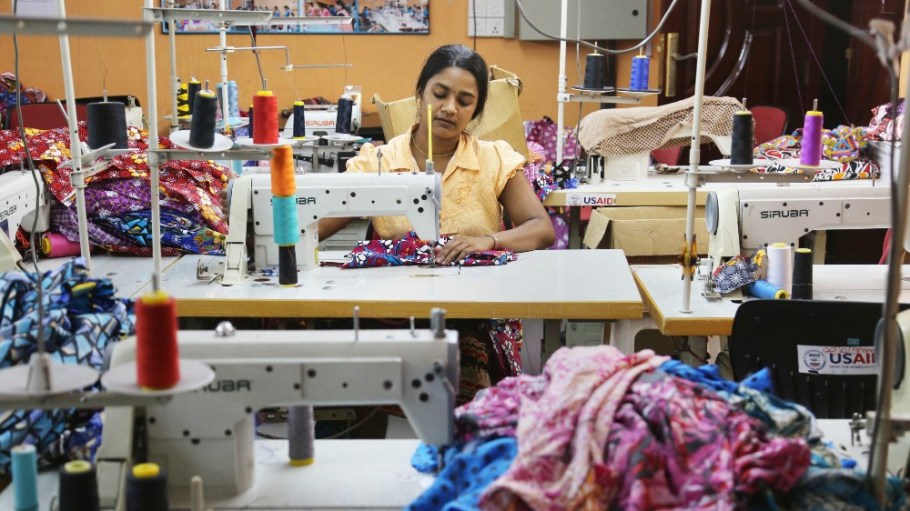
The U.S. is Sri Lanka’s largest apparel export market, accounting for more than 40 percent of the sector’s exports ($1.9 billion in 2024). The sector has been a major source of foreign exchange for the country through these troubled past years of political change, bankruptcy, and restructuring and employs an approximate 300,000 people.
President Trump’s universal baseline tariff of 10 percent tariff on all imports into the U.S. will go into effect Saturday, April 5. The rest will go into effect April 9.
“The government has been quick to react, announcing a task force on Thursday which is working closely with JAAF to see what we can work out at a national level. It is work in progress,” said Lawrence, expressing appreciation for the immediate actions taken to address the situation. “We are working very closely with the authorities to see how best we could address the concerns raised by the U.S. government, whilst staying within the limitations of Sri Lanka’s ongoing IMF program,” he said.
Government officials affirmed this officially, deputy minister Anil Jayantha said in a recorded video: “We are trying to see the possibility of reducing this amount as our country is in a special position.”
The government task force includes representatives of the finance ministry, export board and central bank and the Ceylon Chamber of commerce, but also industry figures like Ashroff Omar of Brandix, Shara Amalean of MAS and Saif Jafferjee of Lanka Garments.
Not everyone is appreciative of the government actions. “Sri Lanka—unlike India—hadn’t prepared to make some concessions and signal intent already. India had already promised reducing tariffs on imports of high-end bikes and bourbon from the US, while committing to reconsider a digital services tax,” said Anushka Wijesinghe, an economist.
Government spokespersons have been making it clear that they had been thinking it through and planning ahead, but their ability to influence U.S. policy decisions was not within their purview.