LVMH extended losses after it said Chinese customs authorities are stepping up border checks on returning travelers, confirming speculation on social-media networks and deepening a selloff in luxury companies’ shares.
Shares of the owner of Louis Vuitton, Christian Dior and Dom Perignon Champagne were down as much as 8.4 percent in Paris. Selling spread to rivals like Gucci owner Kering SA and Cartier parent Richemont. U.S. jeweler Tiffany & Co. was down as much as 7.8 percent in New York.
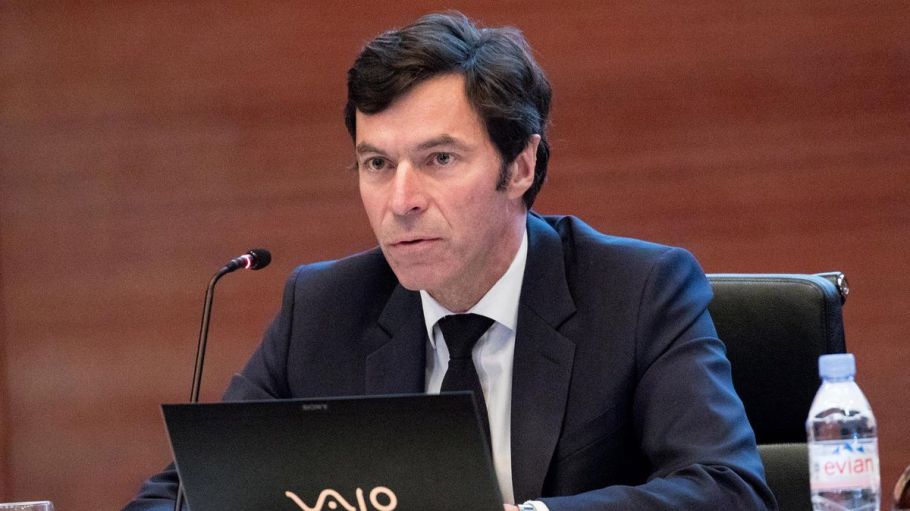
“The Chinese authorities have some laws that are being enforced with some more strength at times, which is what we’re seeing now,” Chief Financial Officer Jean-Jacques Guiony said on a call with analysts Wednesday.
Related Stories
His comments fueled alarm among skittish investors in luxury-goods companies, after social media reports last week that China is stepping up border checks in an effort to curb the flow of unauthorized imports of Vuitton bags, Gucci loafers and other items. The stakes are high because Chinese account for roughly a third of the industry’s sales and a majority of its growth, according to consultancy Bain.
The slide in LVMH’s shares deepened even after the company reported a quarterly sales increase in line with analyst forecasts. Growth in the Louis Vuitton brand’s sales to Chinese customers slowed slightly, to a percentage in the middle teens, in the third quarter, Guiony said.
The stepped-up customs enforcement may be aimed at curbing China’s booming business in gray-market imports, the CFO said. Some Chinese residents snap up Louis Vuitton bags and other luxury items on trips overseas, where they’re cheaper, then sell them at a profit when they return home, undercutting fashion companies’ own stores in China.
Daigou Market
This parallel market, known as daigou, “is not something that we welcome or that we try to promote,” Guiony said, adding that the company limits the number of items that customers can buy at stores in Paris and other locations. “The Chinese moving in the same direction is good for us.”
Despite the risk of unauthorized arbitrage in LVMH’s goods, the company has no plans to equalize prices in China and abroad, he said. That gap narrowed over the summer because of a reduction in import duties. The duty-free limit for Chinese travelers is 5,000 yuan ($722).
“This is, in my view, a message given to the Chinese customers: As the government does its best to reduce customs duties, they expect them to do their patriotic duty and comply” by paying the import tax or shopping at home,” said Armando Branchini, founder of luxury consultancy InterCorporate.
Selling of luxury shares began Wednesday after a bearish Morgan Stanley note. The sector “looks stretched on a number of our indicators even after the recent correction,” analysts led by Krupa Patel wrote.