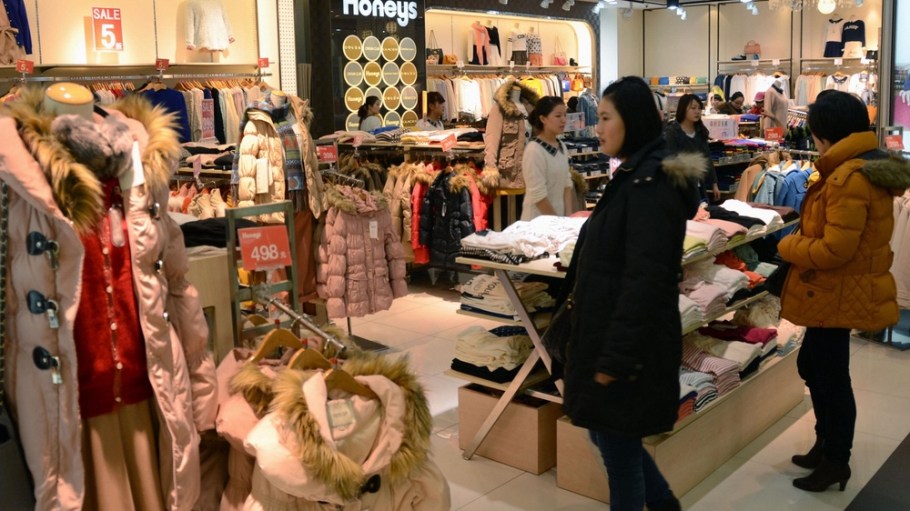
Japanese retailer Honeys Holdings is in the process of dropping its defamation lawsuit against Myanmar union leader Myo Myo Aye, but it claims that neither the filing procedure nor the damages it requested were anything but appropriate.
“As the proceedings in this case have been prolonged and we have recognized that an end is not in sight, we have already decided to withdraw the lawsuit from a comprehensive perspective, and HGIL has begun preparations for that procedure,” it said in an emailed statement, using the acronym for Honeys Garment Industry Limited.
Related Stories
HGIL is a Myanmar-based subsidiary that accused Myo Myo Aye, who leads the Solidarity Trade Union of Myanmar, of “intervening and instigating illegal actions” after workers complained in 2017 of “unrealistic quotas” of up to 600 pieces a day, in violation of an earlier collective bargaining agreement.
The factory blamed the unionist for inciting its employees to strike by “guiding workers through Facebook and other social network pages with flattery and motivational activities,” disrupting factory production and besmirching the company’s reputation through newspaper articles and messages shared in a workers’ group chat.
It would also end up axing nearly 450 of the protestors, a move that the Worker Rights Consortium, a Washington, D.C.-based nonprofit, described in a 2021 report as a “severe violation of workers’ fundamental labor rights” and an obvious act of retaliation.
Honeys, referencing an open letter that Human Rights Now, a Tokyo-based advocacy group, spearheaded in December, however, maintains it has done nothing wrong.
“The facts on which [Human Rights Now] bases its claim that human rights violations occurred, such as the increase in production quotas and the circumstances surrounding dismissals, differ significantly from our understanding and we believe that these are one-sided allegations,” the company said.
It added that worker firings were conducted in line with local laws and regulations and that the double-header of criminal charges—since dismissed—and a civil lawsuit against Myo Myo Aye were carried out in “consideration of the unexpected losses suffered by HGIL due to unjust protest activities that ignored procedures such as advance notice stipulated by local laws and regulations.”
Neither complaint, Honeys insisted, was carried out as a Strategic Lawsuits Against Public Participation, i.e, SLAPP, or retaliatory measure, as Human Rights Now suggested. Nor did the retailer believe that they violated international labor conventions, particularly those involving the rights to organize and collectively bargain.
“Our company and our group, including HGIL, are committed to respecting human
rights in accordance with the Honeys Group human rights policy,” Honeys said. “In the future, based on the group’s human rights policy, our group will appropriately judge the need to strengthen human rights due diligence, and when the need arises, we will review our previous methods and take sincere measures.”
But Kazuko Ito, vice president of Human Rights Now, told Sourcing Journal that she was “not at all convinced” by the company’s response. She said it was hard to believe that Honeys had a “clear understanding” of international human rights standards or its responsibilities to safeguard human rights in a conflict-riddled country like Myanmar, where the military has ruled with an iron fist since its 2021 coup against Aung San Suu Kyi’s semi-democratic government.
“Honeys’s business partners should respond appropriately,” she said, using an honorific to refer to the union leader. “We urge Honeys to clarify the timeline for withdrawing the civil lawsuit and to have a sincere dialogue with Daw Myo Myo regarding future remediation.”
As of now, Myo Myo Aye’s case is still pending judgment in Myanmar, with a demand for civil damages of 1.8 billion kyats ($858,000) that still stands, according to Roy Ngerng, regional urgent appeal coordinator for East Asia at the Clean Clothes Campaign, the garment industry’s largest conglomerate of trade unions and labor organizations and a co-signer of Human Rights Now’s letter. A loss, he said, would exert “massive financial and physical penalties on her.”
“The case against her has already dragged on for over seven years and caused hardship for Myo Myo Aye as it is,” Ngerng added. “Her next hearing is on Jan. 22 and we expect the withdrawal of the suit to happen by then.”