New insights into retail returns paint a clearer picture of what retailers believed was a surprisingly successful holiday season.
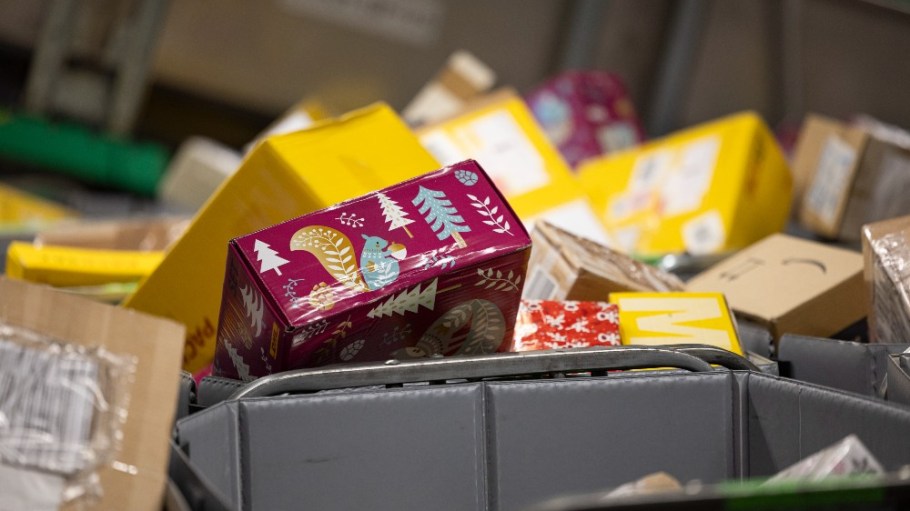
While holiday order volumes increased by about 6 percent year over year, beating experts’ expectations amid the disruption caused by tariffs, data released by post-purchase e-commerce platform Narvar shows that post-holiday return volumes rose almost twice as much as holiday orders, growing about 11 percent from 2024.
The wave of returns outpaced sales growth by a wide margin, ushering in a new era of what Narvar referred to as “provisional purchasing.” The company pointed to the downturn in consumer confidence—which took a nosedive to a 12-year low in January, according to the Conference Board—as the culprit behind shoppers’ trepidation.
Related Stories
“Confidence collapsed in January, as consumer concerns about both the present situation and expectations for the future deepened,” Conference Board chief economist Dana M. Peterson said late last month. All of the research organization’s present situation index components—including perception of employment conditions and business conditions—“deteriorated,” he said, driving down sentiment to its lowest point since May 2014 and “surpassing its Covid-19 pandemic depths.”
Consumers aren’t jazzed about the future, either; the Conference Board’s expectations index also fell in January, with projections for the labor market and the business market falling further into the negative, along with predictions for household incomes.
“With consumer confidence at its lowest point since 2014 and every dollar being scrutinized, a return is now a customer’s final filter for their budget,” Anisa Kumar, CEO of Narvar, said, interpreting shoppers’ growing propensity to turn toward returns.
“Because shoppers are no longer keeping items that don’t meet an exact need or value threshold, the real danger for retailers is that a confusing or rigid return process won’t just cost them a sale—it will cost them the customer entirely,” she added. “Brands that treat returns as a moment for personalized service, rather than just a logistics problem, are the ones that will win repeat loyalty in this cautious market.”
Some retailers have evolved the way they operate in order to meet the growing demand for returns with flexible, cost-sensitive returns options as a means of driving consumer loyalty. For example, boxless returns cut processing expenses by 15 percent to 20 percent because returns shipments can be consolidated and employees don’t have to unbox individual orders.
Another tool retailers are using to keep consumers coming back is the simplified drop-off process, which removes some of the more tedious steps that usually vex shoppers and turn them off from potential purchases.
The way retailers handle returns could make all the difference in their future behavior, Narvar added. Retailers are now facing the post-holiday drawdown in sales as well as a more conscientious shopping landscape, and simple, convenient returns may be the investment a brand or retailer needs to make to ensure that consumers come back when they’re ready to spend.
“For retailers, designing policies that reflect current consumer sentiment and the actual costs of processing will be key to protecting margins and maintaining trust in the year ahead,” the company said.