
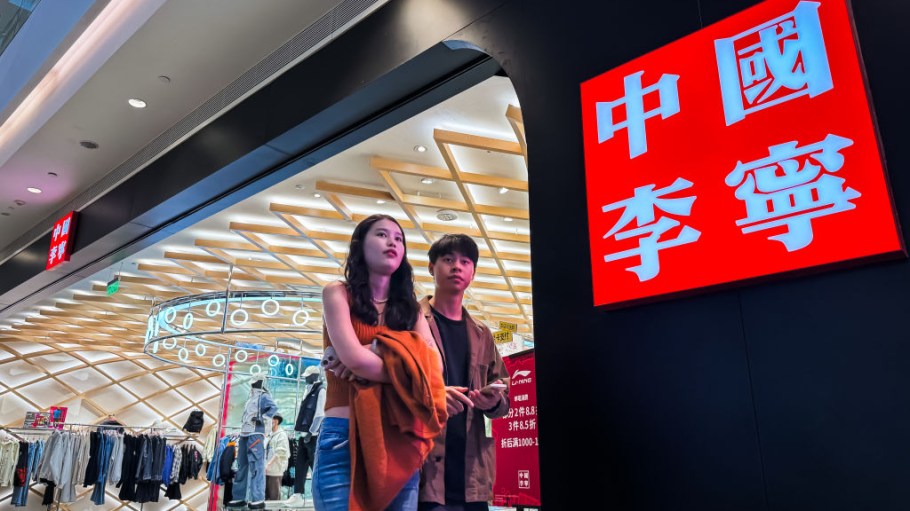
The Chinese consumer landscape is evolving as they shift their spending priorities in 2025.
“China‘s economy has entered a transformative phase of slower but more sustainable growth. While consumers are generally more cautious with their spending, our survey reveals that perceptions of economic prospects vary significantly by geography, income, and age group—differences that have profound implications for their spending,” said Lisa Hu, partner and managing director, and Greater China lead for the consumer & retail practice at Alix Partners. She noted that the retailers that will thrive in the “new era” will be the ones that go beyond a broad-based approach, who also show agility, innovation and an understanding of target customer behavior across categories.
Related Stories
That means that as Chinese consumers adapt to a “new normal” in spending, retailers also will need to adjust their strategies and approach as they reach their targeted consumer base. The conclusions are based on a survey of more than 3,000 respondents across China. The latest report is the consulting firm’s seventh annual study on the Chinese consumer.
The survey found that consumers are most likely to spend more on health products, groceries, apparel, and travel/holidays. Price sensitivity and product functionality are the key drivers behind their brand-switching behavior, while traditional e-commerce channels will need to tailor their strategies and integrated approach. In addition, Gen Z consumers are redefining aspirations, while affluent seniors and middle-income city dwellers are driving the demand for essential and discretionary goods.
Against an economic backdrop of cautious consumer sentiment, 41 percent said they intent to spend more on health-related products, such as supplements and Chinese medicine. More than 30 percent plan to increase their spending on groceries, apparel and travel. Travel and holiday will lead the way for consumer spending growth, with 40 percent of young consumers planning to spend more on travel. High-income consumers in high-tier cities will likely lead the way on luxury spending, but their focus will be less on impulsive high-ticket purchases as shoppers prioritize quality, value and sustainable options.
With shifting purchasing behaviors, the concept of brand loyalty is evolving as well. AlixPartners concluded that brands in categories that have longer lifespans, such as luxury, tend to enjoy stronger brand loyalty. In saturated categories such as apparel, brand loyalty tends to be more fleeting. In the latest survey, 18 percent of respondents said they are likely to switch apparel brands.
Hu said that for brands aiming to build and maintain loyalty, they must “create a unique value proposition through superior quality, exclusive features, and exceptional service, while also building strong emotional connections with customers.” She also noted that a tailored approach is “indispensable” for success, given the variation in consumer preferences across different channels.
And despite new channels that include social e-commerce and live-streaming, Hu said that traditional e-commerce platforms remain important for their extensive product range, price and promotions, advanced infrastructure and consumer trust.
Why the emphasis on online channels? It’s the dominant purchasing avenue for most categories that include travel, apparel, beauty and cosmetics. In China, over 60 percent of purchases on made in the online channels.
“China continues to set the global benchmark for e-commerce innovation thanks to its expansive ecosystem with an abundance of choices,” Hu said. “However, getting that choice right is pivotal to success. Retailers need to frequently and consistently monitor consumer behavior to navigate this complex landscape effectively.”
That means that an integrated approach is key to customer engagement. And the new normal in China’s retail and consumer backdrop will require businesses to make investments that are in line with the values of today’s Chinese consumer, from deploying digital tools to building deeper emotional bonds with the targeted customer base across China’s distinct market dynamics.
Separately, an Altagamma-Bain Worldwide Luxury Market Monitor 2024 report this past November indicated slowing growth for the luxury sector. The report also noted a change in the local consumptions in China. And a Kearney expert—Nora Kleinewillinghoefer, said earlier in 2024 that luxury brands are facing a period of unprecedented change, adding that “stability” is a thing of the past for the luxury market.


