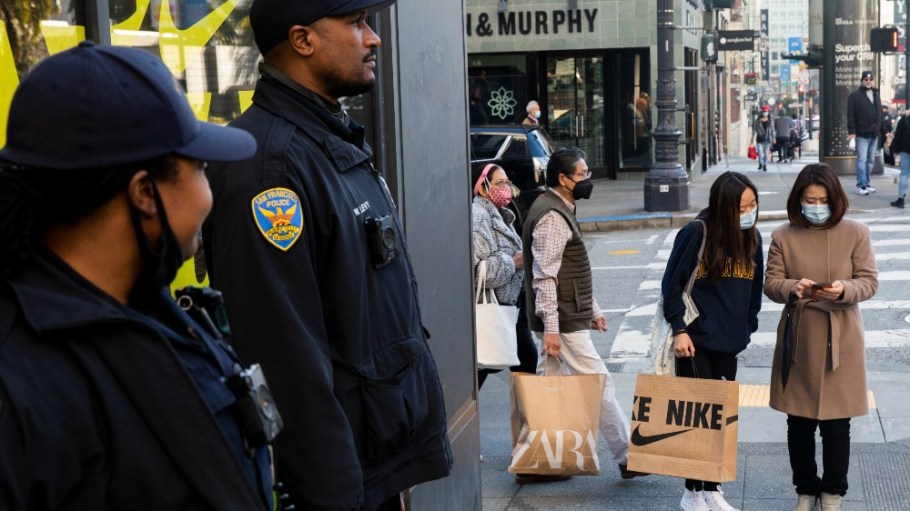
California made major moves to address property crimes in 2024, from shoplifting to cargo theft and organized retail crime. A historic package made up of 11 bills was signed into law by Governor Gavin Newsom in August, and voters took things into their own hands in November, passing Prop. 36 by wide margins.
With the new year underway, that legislation has come into effect.
“California’s new laws tackle today’s biggest emerging challenges head-on,” Newsom said last week. “Through partnership with the Legislature, we’re strengthening public safety, building more housing, and providing more resources for our communities. These practical reforms protect what matters most while creating more opportunities for all Californians.”
Related Stories
Retail theft and property crime
With shoplifting, smash-and-grabs, burglary and grand theft all making headlines more often in recent years, California legislators worked to address the concerns of retailers, law enforcement and prosecutors, creating new tools for charging and prosecuting these crimes.
California’s felony theft threshold has been set at $950 since Prop. 47 was passed in 2014. Two new laws aim to address some of the challenges with that precedent, which has become more controversial over the past decade.
AB 2943 will allow for the aggregation of the value of property stolen from different victims across counties or jurisdictions to reach the felony threshold. Similarly, AB 1779 permits the consolidation of theft charges and associated offenses that take place in different counties into a single criminal case.
Meanwhile, SB 905 allows for the aggregation of the value of property stolen from vehicles during the course of multiple acts, supporting a charge of automotive property theft for resale.
One measure Newsom tried to stave off with the signing of this robust bundle of bills was Prop. 36, which passed in November with 70 percent of California voters in favor.
The Homelessness, Drug Addiction, and Theft Reduction Act took effect in December, effectively rolling back certain provisions of the hotly debated Prop. 47, which many believe set the felony threshold for crimes like shoplifting too high. An essential element of the law introduces the concept of “wobbler” offenses, or crimes that may be charged as felonies or misdemeanors depending on other mitigating factors. Now, petty theft or shoplifting with two prior theft-related convictions may be charged as a felony.
Law enforcement now has more avenues to tackle shoplifting and petty theft, too.
For one, AB 2943, also known as the Retail Theft Reduction Act, gives an officer the right to arrest a person for shoplifting given there is probable cause, even if they did not witness the act. The same law doubles the allowable probation period for shoplifting and petty theft from one to two years, and allows defendants under 25 to be sent to rehabilitative programs.
Fencing and organized retail crime
The multifaceted AB 2943 addresses not just the act of stealing, but of possessing stolen property with the intent to commit a secondary crime to turn a profit. The law creates a new crime for possessing over $950 in boosted product with the idea of reselling, or “fencing,” or exchanging or returning the goods for cash. These activities are now punishable by up to three years in jail. At the same time, SB 1416 beefs up sentencing for the large-scale resale of stolen property.
Politicians are also taking note of the increased use of web-based marketplaces to fence stolen goods. Mirroring nationally proposed legislation, California passed SB 1144, which requires online platforms to collect essential information about high-volume third-party sellers on their sites.
And as retail crime becomes more organized and sophisticated, AB 1802 eliminates the sunset date for the crime of organized retail theft, as well as the expiration date for regional property crimes task forces. AB 1972 adds cargo theft to the roster of property crimes that those task forces may address, following an increase in cargo theft from railways during the pandemic.
Violent crimes and smash-and-grabs
AB 3209 aims to empower retailers that have been repeatedly targeted by thieves, allowing a court to issue a “retail theft restraining order” against a person convicted of organized retail theft, shoplifting, theft, vandalism or assault of a retail employee. This bars the person from entering not just the store they victimized, but other locations within a store chain, for up to two years.
Accounts from across the state have painted a varied picture of the relationship between retailers and law enforcement, with some members of the retail community saying they’ve been discouraged or even fined for repeated calls to police. AB 2943 protects retailers from facing citations or fines for reporting retail theft.
And with the destruction of properties becoming more common during acts of retail crime, SB 1242 establishes higher penalties for thieves who set fires to facilitate organized retail theft, while AB 1960 creates mandatory sentencing requirements for stealing, damaging or destroying property worth over $50,000 during the commission of a felony.
“These changes give law enforcement and prosecutors new tools to tackle organized theft and protect local businesses,” the governor’s office said last week. “Now police can better stop repeat offenders, while prosecutors have more power to hold thieves accountable—especially when dealing with organized retail crime rings that operate across city and county lines.”