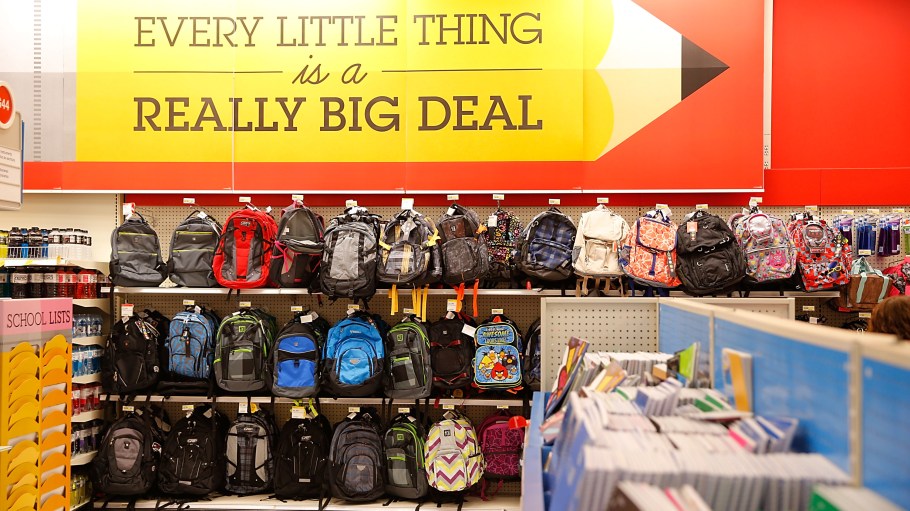
Four in 10 American parents plan to cut back on their spending on clothing and shoes when they go back-to-school shopping with their families, according to new data from PwC.
The data shows that 16 percent of U.S. parents plan to spend more than $500 on clothing and shoes for their children, while 29 percent expect to spend between $251 and $500 and 27 percent expect that they will spend between $101 and $250. Twenty-eight percent of parents noted they will spend $100 or less on clothing and shoes in the upcoming back-to-school season.
Related Stories
Kelly Pedersen, partner and global retail leader at PwC, said the fact that 40 percent of parents will cut their spending on apparel and shoes is indicative of consumer sentiment at large.
“This definitely signifies the fact that there is some weakness in consumer confidence in the economy,” Pedersen said. “A lot of the uncertainty is going to affect clothing and shoes more than it would for regular, everyday purchases.”
Part of the uncertainty he referenced comes from President Donald Trump’s tariff strategy, which has left some consumers’ heads spinning. While tariffs on many countries remain in limbo, consumers and retailers simply have to hurry up and wait for further information on how prices—and margins—could be impacted.
According to the University of Michigan’s Consumer Sentiment Index, May saw an uptick from gloomy consumer sentiment, but the figure still stands 20 percent below what it was in December 2024.
Pedersen said it’s clear that parents perusing their children’s back-to-school lists will seek out value; despite the uncertainty ahead, retailers have to rise to meet the moment—and to retain existing consumers.
“The one thing all of our retail clients are saying is, ‘How can I find ways to make a more value-oriented proposition to my consumer?’” Pedersen said. “To catch wallet share, we may see [retailers] accept some lower margins, because the consumer is not very confident right now and they want to maintain the consumer they have. Price, price, price is what we’re hearing right now.”
Recent data from 7thonline showed that one-fourth of retail leaders have already turned to price adjustments to manage tariff costs, but PwC’s data shows that retailers that can successfully navigate keeping prices low could come out on top for the back-to-school season. Pedersen said that trend might help usher in a resurgence of interest in value stores, and PwC’s data shows that more than 30 percent of parents said they would spend less money to buy similar items for their students.
“If you look at the dollar stores, the value-oriented stores, they have started to win. They had a bit of a soft spot a year, 18 months ago, and now they’re really coming back strong,” he said. “That’s definitely a segment we think is going to see a bit of an increase this year.”
Switching where they shop might not be the only adjustment consumers make in the name of cutting costs; nearly four in 10 parents said they would only purchase sale items or shop earlier than usual for school supplies this year. More than 20 percent of parents said they would purchase more store-branded products, and 18 percent of parents said they would shop secondhand for items.
But PwC is also starting to see consumers embracing technology, in part to find deals. One in five parents surveyed said they would use tools powered by artificial intelligence to do back-to-school shopping this year.
Pedersen said that’s a welcome figure, though higher than expected. He noted that school-issued supply lists can easily be fed into AI models to find the lowest prices. That’s partly due to the rise of shopping assistants—both those powered by technology giants like OpenAI and those embedded in the systems of retail giants like Amazon and Walmart.
“People are starting to embrace the concept of agents doing everything from product recommendations to price checking [with AI],” Pedersen said.
Pedersen said, looking at the PwC data on the whole, it’s likely to be a fairly strong back-to-school season, even despite consumers’ price sensitivity and interest in purchasing down. What’s more, he noted, he still expects to see strong consumer spending ahead for holiday 2025.
“Year after year, holiday spending continues no matter what the economy is doing; it continues to endure, and it continues to be pretty robust,” he said. “I don’t think we’re going to be into a doom-and-gloom holiday season, even [if] we may see not as robust numbers for back to school.”