MILAN — A presentation at Pitti Uomo and a celebratory event during Milan Fashion Week will mark the 90th anniversary of high-quality knitwear company Luigi Fedeli e Figlio Srl, one of the many under-the-radar gems of the Italian fashion industry that recently emerged from the shadows thanks to two local powerhouses.
As reported, last year Ermenegildo Zegna Group and Prada Group joined forces to acquire a minority stake of 15 percent each in the firm, signaling a strategic investment to preserve the know-how and tradition of Italian excellence in fine yarns.
You May Also Like
Related Articles
The deal crowned what was already positive momentum for the firm, which was founded in 1934 in Monza and is now overseen by the third and fourth generations of the Fedeli family.
“The company is healthy and doing well. If that weren’t the case, it probably wouldn’t have garnered the attention of two big luxury players. So this is a big opportunity to further enhance growth that was already happening,” said Luigi Fedeli, chairman and chief executive officer, who retains a 70 percent stake in the company he joined in 1979. Ever since, he has worked to widen the product assortment and expand distribution.
Last year, the company’s sales grew more than 20 percent to 27.2 million euros over 2022. Prior to that, it had already doubled sales in two years and Fedeli projects a further growth of more than 10 percent for 2024, too.

“There’s been only one change [since the deal] which is the fact that having very structured and listed partners clearly leads any company to have to adapt and step up in all that concerns the financial aspect,” said Fedeli. “Therefore today we’re a much more attentive and precise company, knowledgeable of our numbers and capabilities, of what we do and how we do it. And that’s certainly a big advantage… and useful because it takes away that familiarity that can exist in a business like [ours].”
Fedeli was also quick to credit his employees for propelling the company’s growth. “There’s never just one reason behind it. Maybe there are fewer competitors now but the truth is that we did a good job on the product and everything surrounding it. So the main driver is always the people working at this firm.”
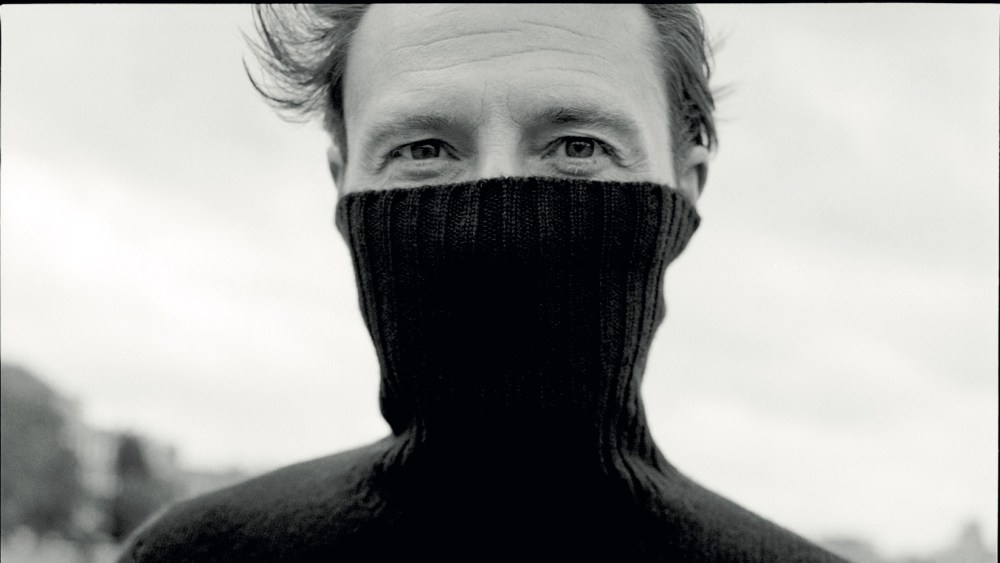
Customers are to be credited, too. After presenting its new collection at Pitti Uomo, the company will stage a one-off celebratory event in Milan on Saturday. For the occasion, a photographic tome was created to portray customers, collaborators and friends of the brand wearing the label’s staple black cashmere turtleneck. Lensed by Francis Barion, the book marks the second chapter of a project launched for the 70th anniversary in 2004, when strangers around the world were captured in the same garment by the late photographer Carlo Orsi.
“This time we wanted to pay tribute to the people that are part of our success,” said Fedeli, underscoring that the pool of subjects includes clients of the brand for decades, hailing from everywhere from Japan to the U.S.
The U.S. has indeed grown to become the brand’s largest market after Italy, thanks to Fedeli’s son Niccolò, who joined the company in 2016 and who opened two showrooms Stateside. The DACH area — including Germany, Austria and Switzerland — Japan and China are the company’s other top markets.
The label has three directly operated stores in Milan, Portofino and Saint-Tropez, eight franchised doors in South Korea, and is distributed in more than 400 multibrand stores worldwide, including Neiman Marcus, Bergdorf Goodman, Le Bon Marché, Harrods, Beymen, Mitchells, Stanley Korsha, Braun and Lodenfrey.
Fedeli said the company will continue to focus on the wholesale channel, boosted by pop-ups, shops-in-shop and dedicated corners, and will also focus on improving existing categories rather than significantly expanding its offering. “Not having such a widespread direct retail footprint, we will continue to focus on our core ready-to-wear business. We have some accessories but they serve as a complement to total looks,” said Fedeli.
The brand is strongest in menswear, driven not only by its fine knits but also by a successful range of swimwear and polo shirts in jersey or organic cotton piquet. Fedeli said the introduction of this summer counterpart was pivotal in the company’s journey, much like how it evolved from a felt hat maker into a knitwear manufacturer after World War II and then one of Italy’s first cashmere specialists in the ‘60s.
Looking forward, the firm is committed to expanding womenswear, which accounted for 15 percent of sales last year, while also boosting its overall manufacturing capacity. To this end, investments were already made to optimize spaces, add new machinery and acquire two new locations to create a new division dedicated to jersey production. Fedeli didn’t exclude potential acquisitions of laboratories that already work for the company, with the goal of ensuring the generational handover of the know-how — one of his biggest concerns for the future.
“I’m trying to prepare the company for when I won’t be there anymore and ensure it can stand tall on its feet, stay healthy and grow,” said Fedeli. “If it stays within the family, it’s fine. If not, so be it. My aim is precisely that: to prepare it in the eventuality it doesn’t.”