Does the recent rash of premature departures of young designers at storied houses suggest increased volatility in the creative director’s role?
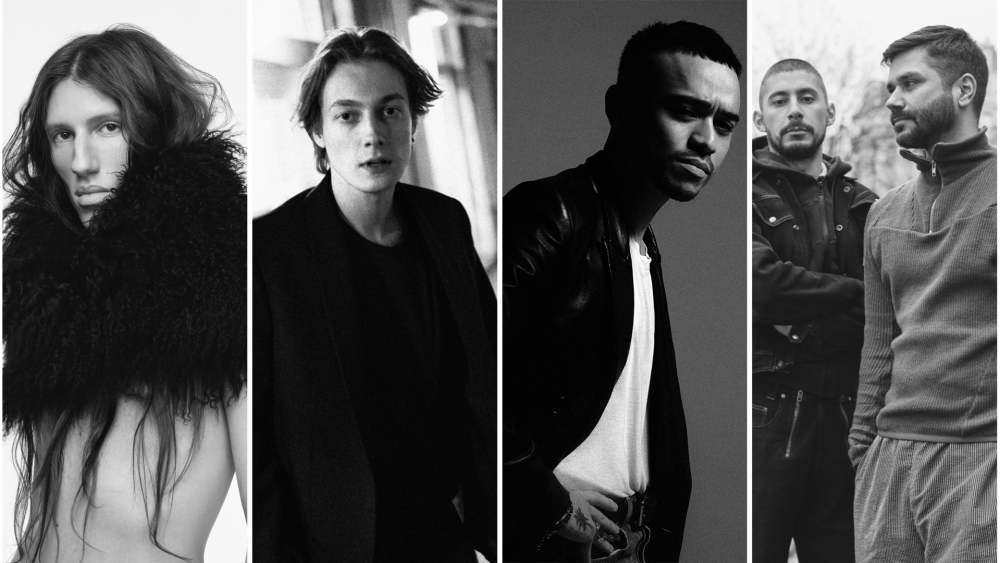
Ludovic De Saint Sernin’s exit from Ann Demeulemeester came after the Parisian darling showed only one collection for the brand. This abrupt change followed the departures of Serhat Işık and Benjamin A. Huseby, the design duo behind the GmbH label, from Trussardi after almost two years, and of Charles de Vilmorin from Rochas. Rhude designer Rhuigi Villaseñor and Bally also parted ways earlier this year after a little over a year (Villaseñor subsequently was sued by a minority shareholder in Rhude, alleging the designer stole profits from his brand, as reported). The latest in line was Daniel Fletcher amicably parting ways with Fiorucci.
Related Articles
The creative shakeup has little precedent in recent fashion history and comes in tandem with a healthy number of management changes.
You May Also Like
“The two highest profile figures in a luxury brand are the CEO and creative director, and the buck stops with one or the other, sometimes simultaneously,” said Mary Gallagher, a Paris-based senior consultant at executive search firm Find.
The profile of the ownership is seen as a contributing factor.
“If it’s a private equity firm with little or no fashion experience, they’re not in it for the long game and can be impatient for a phased strategy to start yielding results,” Gallagher said in an interview.
Alessandro Maria Ferreri, founder and chief executive officer of consultancy The Style Gate, echoed that sentiment as he believes the current turmoil is linked to a different ownership landscape.

“There used to be many more private and independent players, while today private equities, listed entities and beauty-leaning giants are ruling the sector,” he said. “They hinge on financials and are generally consumer-centric, aiming to provide customers with what they want and when they want it.”
Observers suggested it takes time to see if a new designer and a brand are gelling.
“Everything that happens in the first six months or so upon joining the brand is inherited from the previous creative direction,” Ferreri observed. In some instances, he sees houses trying to keep up with bold decisions taken by fashion conglomerates.
In Gallagher’s view, “I think you need at least two years to see if a change of creative direction and brand positioning is going to work.”
One Milan-based adviser to luxury brands, who requested anonymity, believes that owners and CEOs are often poorly advised or lack the necessary skills when recruiting creative leaders, either because they come from other industries or have a finance-driven vision.
“When some of these appointments were made in the past couple of years, a lot of people in the industry were immediately doubtful those matches would succeed,” the source said. “Entrepreneurs have a lot to shoulder, and this is not a critique, it’s just a red flag. There is a lot more to ponder in addition to buzz and oftentimes they don’t ask the right questions simply because they don’t know how to assess answers.”
Emma Davidson, owner and managing director of London-based recruiting firm Denza, said she’s not surprised by the recent rash of premature exits.
Echoing other observers, she stressed that more than one or two seasons are needed before a designer appointment is deemed a failure.
“It’s a bit like sex — the more you do it with someone you like, you can really get to know each other, build a dialogue and have something fantastic grow,” she said. “I’d like to see some creative directors get a chance for the industry and customers to get to know them a bit more before they get kicked out of the bed too soon.”
In the case of speedier separations, “shortsightedness or serious financial problems” may be at play, or “someone with influence pushing for a change,” Gallagher said.
She noted alarm bells should go off if management says, “Let’s see what the collection looks like before we invest into the brand.”
“Presumably the creative director presented a project with a vision management approved of,” she explained. “If a collection is not consistently selling-in and selling-through, management needs to analyze why that is and make the right changes to course-correct.”
Tasked with rejuvenating the brand and product image of storied fashion houses, these young creatives come up against industry giants with manufacturing, distribution and marketing prowess that’s almost unparalleled.
“All were given the task of modernizing heritage houses while also extending market relevance to younger consumers. While on their own, many of those designers resonate with a younger crowd, it’s a challenging task to expose a storied label to a new audience, and that doesn’t happen overnight,” explained Melissa Moyland, vice president of womenswear at trend forecasting and consulting firm Fashion Snoops.
“I would really like a CEO or brand owner to make a firm plan with a creative together for a ‘five-year goal’ that they can navigate together,” Davidson opined.
“A lot of decisions were made too quickly with people who wanted to get someone in for cachet that wasn’t experienced or suited for the job,” she explained. “But there could be so many other factors at play: waiting for other people with long non-competes for the role, no support for teams in-house to help everything gel, external global circumstances, or a creative director realizing they have walked into a hornets’ nest… The management need to be realistic about the resources they have within the company to support the new creative lead.”
Ferreri underscored how tough an environment independent and smaller fashion players face. “It’s a torture — they lack supply-chain scale, have little communication budgets and a hard time keeping up with the changing digital marketing landscape,” he said.
This could explain Bally’s U-turn appointment of Simone Bellotti as design director, after the departure of Villaseñor. His fashion résumé includes a 16-year tenure at Gucci, after stints at Dolce & Gabbana, Bottega Veneta and Gianfranco Ferré. The same applies to Sabato De Sarno, the incoming creative director of Gucci, who’s been at Valentino since 2009, most recently serving as fashion director with oversight of both men’s and women’s collections.
They are under-the-radar, seasoned talents who may not bring hype but do have design chops.
According to Moyland “more luxury houses have hired creative directors with non-traditional backgrounds. The appointment of buzzy names that come with a solid fan base is ultimately attractive and comes with the potential to disrupt the market. However, a buzzy name may not serve heritage houses best in the long term,” she said.
Ferreri agreed, noting that “the same ‘magic’ happening with their own brands sometimes is not replicable.”
According to Moyland, these up-and-coming designers are often still fine-tuning their namesake labels, making it even harder to deal with two gigs at the same time.
“This was the case of Charles de Vilmorin, who was appointed to Rochas within just a year of launching his own label. I think it is fair to say that emerging designers should be given space and time to establish their own labels for years before being tasked with reinventing a heritage label,” she said.
However, in Gallagher’s view, the rash of departures likely won’t hinder brands from taking their chances on up-and-coming designers — and vice versa.
“I think buzzy designers will always be sought after,” she said. “The buzz comes from creativity, and brands constantly need that to stay relevant. Unless a brand is egregious or damaged, it wouldn’t put off up-and-coming designers to take a crack at it. Many are keen to audition for these openings.”
Denza’s Davidson had another point of view, suggesting young designers think twice.
“The brands need you more than you need them,” she said, suggesting up-and-coming talents “have some fun with their career and try different brands and work environments because straight to creative director just isn’t a reliable option. By all observation, you are a disposable item. I would personally prefer to support a young designer buying from their own brand anyway.
“For any designer, it is a huge ego boost to be asked to be a creative director,” she continued. “But do designers really stop and ask themselves ‘Is this the role for me. Do I have the right DNA for this brand?’”