The Met Gala, fashion’s “party of the year,” is the pinnacle of extravagance, marking the opening of the Costume Institute’s annual exhibition. With tickets reportedly costing $75,000 a person and available only by invitation, it has become one of the most anticipated events on the fashion calendar.
Yet its origins were far more modest.
The Costume Institute was established in 1944 after the Museum of Costume Art, founded in 1937, merged with the Metropolitan Museum of Art. The gala debuted on Nov. 18, 1948 at Rockefeller Center’s Rainbow Room, where tickets cost just $50. Open to the public, the sold-out event, a night of pageantry, comedy and fundraising, attracted industry figures and enthusiasts, all in the name of fashion.
Related Articles

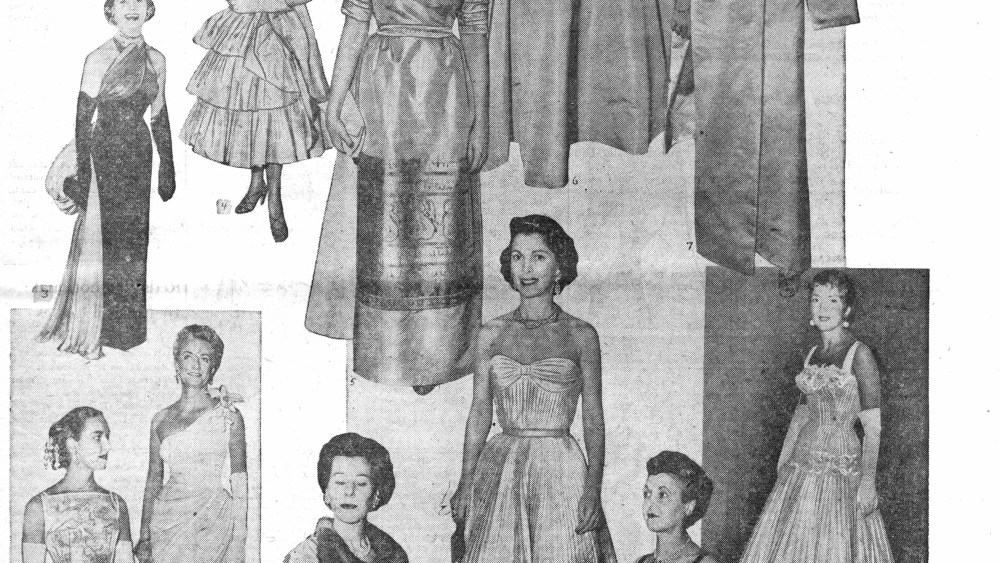
In its early decades, the gala migrated among famed New York City venues — from The Plaza Hotel to the Biltmore Hotel, and the Waldorf-Astoria — while the Costume Institute’s permanent wing remained under construction. Women’s Wear Daily chronicled the gala’s whimsical themes and fashion highlights from its inception — a responsibility overseen by WWD’s display columnist Lester Gaba alongside committee members and founders, Dorothy Shaver and Eleanor Lambert.
You May Also Like
Themes included “Feathered Fancy” in 1951, the golden glamour of “Midas Touch” in 1952, fashion-forward neckline studies in “They Are Wearing” from 1954 and the fairytale “Snowball” gowns of 1958. By 1960, the gala officially moved to the Met itself, with attendance capped at 700 guests with a ticket price of $100. Themes persisted, and so did the entertainment and pageant of historical costumes with mannequins replacing the live fashion show by the mid-1970s in order to preserve priceless garments, signaling its shift toward a more exclusive affair.
Under the leadership of Diana Vreeland and Pat Buckley, the gala ticket price slowly climbed as it transformed into an invitation-only intimate dinner and social affair, reserved mainly for prominent figures from society and a few celebrities. But it was still a relatively restrained and chic affair.
All of that changed markedly when Vogue editor in chief Anna Wintour gained control of the event in 1995 and her employer Condé Nast became a significant sponsor. Wintour was determined to turn the gala into a major high-profile celebrity event — causing it to be nicknamed “Fashion’s Oscars” — both to benefit the Met’s Costume Institute and raise her and her magazine’s profile. While it has been criticized over the years for its often costume-y fashions (Katy Perry’s hamburger, Lady Gaga doing a slow striptease on the red carpet, Madonna’s barely there outfit), skyrocketing ticket prices and Wintour’s iron-fist grasp of every detail — from every guest who attends (and where they sit) to who wears what designer — the Met Gala, now held on the first Monday in May, is entrenched in the global fashion calendar.