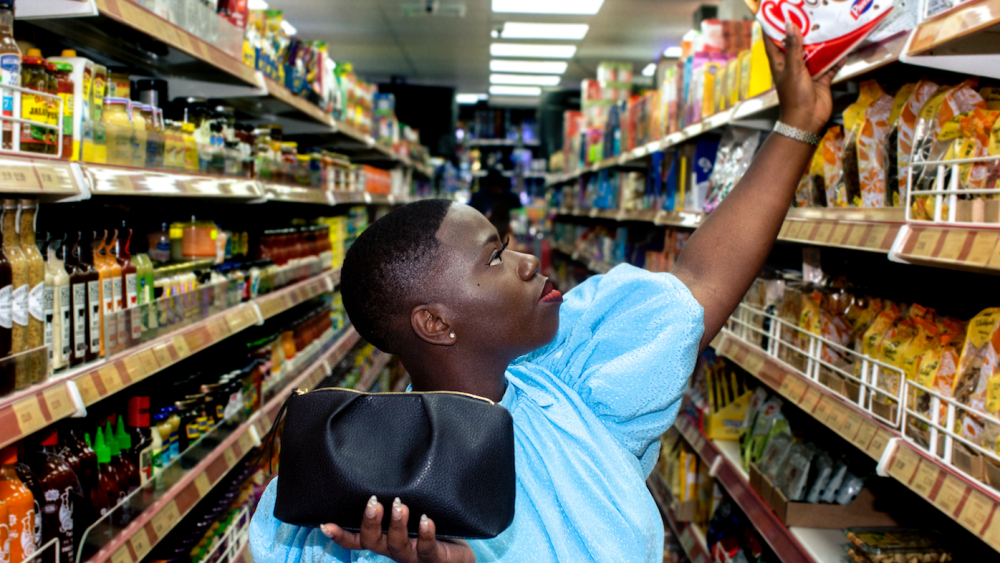
LONDON — Candice Brathwaite isn’t your typical fashion personality.
She first came to the forefront with her best-selling book, ‘I Am Not Your Baby Mother,’ which tells the stories of Black motherhood and has recently released “Sista Sister,” which imparts insights into growing up as a young Black girl in Britain and was another immediate hit.
But Brathwaite also has a real flair for style and tends to share lots of colorful, feel-good fashion across her popular Instagram page, from selfies in her bejeweled Manolo Blahniks, to reels showing off the Joseph knits she rented from new London rental platform Onloan.
She is now dipping her toes a little further into the fashion world with her first collaboration with sustainable accessories label Been London — and bringing a refreshing perspective about the state of the industry, too.
Related Articles
The shift to conscious consumption is top of her mind, which is why she chose to collaborate with an independent label like Been, known for its sustainable credentials and ethos of only creating handbags using deadstock.
You May Also Like
“It’s a smaller company, so I had full creative freedom and the opportunity to offer my audience something that’s fully sustainable. Most people with a platform like mine would more likely partner with a fast-fashion brand — and there’s no shame in that,” said Brathwaite, who started talking to Been London about a partnership after wearing one of their bags on her Instagram and driving sales to their site.

Her design, a half-crescent moon shape featuring folds all across in bright green shade, went through multiple tests before launch, with Brathwaite wanting to make sure that women’s practical needs were met.
“If someone is going to spend three figures on a bag it needs to work hard: I’m a busy mum of two, I need an adjustable strap, and internal pocket with a zip and two handles that can comfortably sit on the crook of my arm. I love a classic Chanel flap but I hate that the strap isn’t adjustable,” said Brathwaite, who spent two months with a sample of her design, even taking it on holiday to Barbados, to see how it wore and if it could withstand the heat. “Been wants their bags to work for life and they stand by their word when they say they are producing their bags from offcuts.”
She is already working on a new colorway and mulling on the idea of going into clothing — but that comes with its own set of challenges and moral dilemmas.
“If I wanted to move into clothing, I would want the line to be size inclusive and go up to size 30, but that would also mean partnering with someone who is less sustainable and can cover production costs of that scale. I don’t judge people who do those partnerships because you have to think about the price point that your audience can afford — even thinking of my own financial situation a few years ago, I wouldn’t be able to buy the bag that I designed,” said Brathwaite. “We have to be careful about demonizing fast fashion. For some people a 100-pound coat for H&M is top end — we can’t berate people for not making sustainable choices because they simply don’t make that much money. We have to accept what people can afford and reconfigure who we are having the conversation with. It’s really the duty of brands and retailers to produce less.”
Brathwaite can see right through the industry’s many inclusivity issues, drawing many parallels from her experiences in the publishing world.
Her first idea for “Sista Sister” was turned down about nine times, for being “too Black.”
“It just happened that in pre-George Floyd society, publishing houses weren’t on board with publishing Black voices,” said Brathwaite, who was repeatedly asked to dilute her writing and turn it into a more universal conversation. But after the success of ‘I’m Not Your Baby Mother,’ she doubled down on her initial brief to put the Black female experience at the center of the conversation.
“When I was a teenager, I couldn’t find these books that spoke to my Black British experience and I wanted to become like an auntie passing this onto her nieces and talking to them about all the things that they may come up against because they are Black. My readership is still 80 percent white, but we all need to get used to reading books where we are not the main character. It shouldn’t make it any less enticing,” said Brathwaite.
She’d love for the same shift to start happening in fashion, both when it comes to body and race diversity.
“I’m getting married and wedding dress shopping was such a fatphobic experience. I usually just buy accessories but this time I had to be confronted with the reality that I want to give brands my money but their dresses only run up to size 16. We want to look good, too, why are you cutting all these women out?” asked Brathwaite.
In the same light, there’s a need for more investment and high-profile collaborations in Black businesses, to recognize the buying power of the Black community and the enormous contribution of Black culture in fashion.
“Most Black brands are entirely self-funded, what else do they need to do to get the right investment? I’d love to see Black creatives taken more seriously. And no, one Virgil Abloh doesn’t make up for it.”