
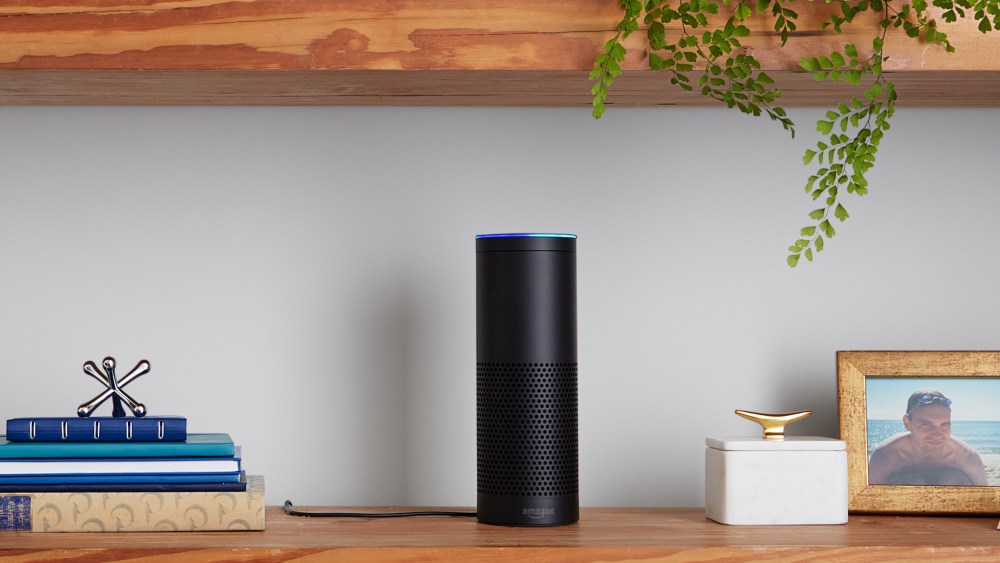
If last year’s Prime Day helped embed the Alexa voice assistant in more homes, then this year’s Amazon sales day could be the moment it graduates into a real shopping assistant.
According to findings by voice AI platform Voysis and Voicebot.ai, U.S. smart speaker users have passed 50 million for the first time this year, and more than one in five U.S. consumers have at least shown interest in voice shopping, with 21.2 percent trying it out — mostly on mobile devices. That leaves a lot of open sky above for the platform to grow.
When it comes to traction, Prime Day could be a pivotal moment for Alexa’s shopping ambitions. Integrated marketing firm Walker Sands notes that one of Amazon’s key Prime Day strategies is to encourage voice-powered purchases through Alexa, with special promotions.
Related Articles
In its recent “Future of Retail 2018″ report, the firm stated that people “are more comfortable using voice-controlled devices to shop. Of the consumers who own a voice-controlled device, 64 percent use it at least once a week. Fifty percent have made a voice-controlled purchase in the past year.”
You May Also Like
Amazon is working both ends of the spectrum — offering early access for Prime members and deep discounts for its own devices, essentially planting more Alexa gadgets in more homes, while also tempting shoppers to try voice-command purchasing. So, while it sells more speakers, it’s also showing users more of the breadth and utility of their devices.
“Given the evolution of consumer IoT (Internet of Things) and consumers looking for faster and integrated ways to make their lives easier, Amazon seems to be heavily promoting Alexa by offering early and exclusive access to deals when consumers shop using its voice service,” said Alex Soncini, North American general manager at VTEX. According to InfoScout, half of Amazon shoppers will own an Alexa connected device after Prime Day.
Apart from merely pushing product, Amazon’s approach is likely ramping up to stave off increasing competition. The company has an early advantage and clear lead in a fast-growing market. According to research firm Canalys, the global install base for smart speakers will shoot up to 100 million this year, more than doubling growth over last year by a factor of two-and-a-half times.
Right now, most of those units are still an Echo appliance. But the firm believes that Google Home will catch up with Amazon by 2022, with each nabbing 34 percent market share.
That equates to a lot of spoken commands. So far, most people use their speakers to request streaming music, jokes or some type of information. Shopping as a spoken activity hasn’t become commonplace in American homes — yet. And not everyone is convinced that voice tech has reached that inflection point.
“While the Alexa installed base has grown meaningfully — in part because of aggressive discounts on Echo devices during Prime Day — we’ve seen little evidence that consumers are using these devices to shop,” said Cooper Smith, head of Amazon research at Gartner L2.