
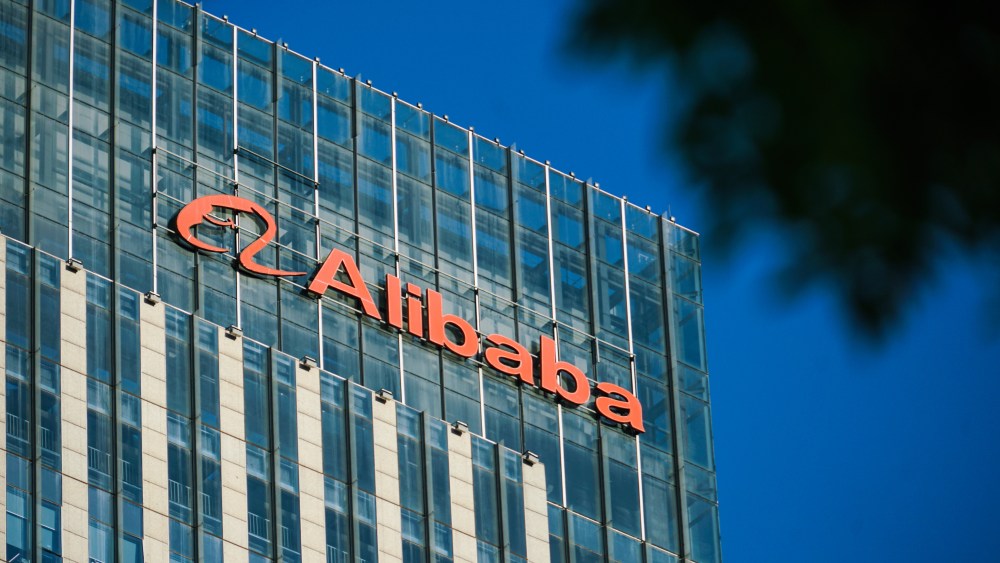
Alibaba has announced plans to voluntarily change its secondary listing status on the Hong Kong Stock Exchange to a primary listing, effective Wednesday.
The Hangzhou-based technology behemoth will have a dual primary listing on the HKEx and the New York Stock Exchange.
The switch would enable Alibaba to tap into a pool of 220 million stock investors in mainland China. These investors can access Alibaba shares via Stock Connect, a mutual market access program between the Shanghai Stock Exchange, Shenzhen Stock Exchange and HKEx.
Related Articles
First introduced in 2014, the Stock Connect allows mainland investors to access Hong Kong shares, or Southbound capital, and Hong Kong and overseas investors to trade qualified A shares, or Northbound capital, within a daily quota.
You May Also Like
Alibaba will then seek approval from the exchange operators in Shenzhen and Shanghai before making its cross-channel market debut in early September.
Morgan Stanley estimates that mainland Chinese investors will be able to access the stock as soon as Sept. 9.
“Southbound could own around 7 percent of all shares by six months after inclusion; in the long term the percentage may stabilize around the low teens. When we look at a longer-term period, including Tencent, Southbound ownership represents an average of 11 percent of total shares of these companies,” Morgan Stanley said in a report published last June.
Goldman Sachs estimates that by including Alibaba in the Southbound trading program, the company can raise another $15 billion to 16 billion to support its top-line growth.
Goldman Sachs maintained its buy rating on Alibaba. “[Alibaba’s] user-first strategy indicate that Taobao and Tmall’s priority of growing core businesses is well on track,” wrote the Goldman report.
Alongside Alibaba, JNBY, the Hangzhou fashion retailer, Laopu Gold, a Beijing-based jewelry retailer, ChaPanda, a Chinese tea brand, and 30 other companies have also gained HKEx approval to debut on the Stock Connect program this September.
Alibaba’s stock rose 0.7 percent in Hong Kong on Friday, taking its gains to 10 percent year-to-date. The e-commerce giant’s revenue growth slowed to 4 percent in the second quarter to 243.2 billion renminbi, or $33.4 billion, as it navigates an economic slowdown while seeking growth via its AI and cloud businesses.
In the three months ended June 30, profit fell 29 percent to 24.3 billion renminbi, or $3.34 billion, missing analysts expectations.
The e-commerce unit, which includes Taobao and Tmall, saw revenue fall by 1 percent year-over-year to 113.4 billion renminbi, or $15.5 billion, as the consumer cut back on discretionary spending during the 618 online shopping festival, which lasted for a month from mid-May to mid-June.
Toby Xu, chief financial officer of Alibaba Group, said the company will continue to improve operating efficiency by focusing on its core e-commerce business and reducing losses in other units. “We also returned significant value to shareholders at a pace higher than past quarters, as we made $5.8 billion of share repurchases that included a concurrent repurchase of shares in connection with our convertible notes offering. This transaction underscores our confidence in our business outlook,” Xu said.
Revenue from the cloud computing division, a growth engine for the company, increased 6 percent to 26.5 billion renminbi, or $3.63 billion. “The cloud business achieved positive revenue growth momentum, driven by public cloud and AI-related product adoption, as we continue to invest to maintain our market leadership,” said Eddie Wu, Alibaba’s chief executive officer.
During the Paris Olympics, Alibaba became an official broadcasting partner and released an AI-powered cloud service to enhance viewer experience.
Alibaba also showcased “the future of shopping” with virtual try-ons, avatars and an IRL runway in a four-room pavilion on the Avenue des Champs-Élysées. The sleek, open-air pavilion showcased how the technology can be used in the beauty and fashion categories, all powered by Alibaba’s proprietary Qwen LLM.
The company also debuted its Smart Virtual Boxing project at Wonder Avenue, using the Qwen AI to analyze moves and performances of each contestant in a virtual boxing match, providing real-time commentary and predicting future performance.
To deepen its relationship with the fashion industry, Alibaba extended an existing partnership with LVMH Moët Hennessy Louis Vuitton this May that deploys Qwen LLM and other AI technologies to drive e-commerce growth and elevate its brands omnichannel retail experience in China.
“The deepened partnership is a strong commitment to the shared dedication of the two companies to pioneering retail innovation and delivering exceptional, tech-driven luxury experiences, that will enable LVMH to increase its omnichannel, data and tech presence in China,” they said in a joint statement.
LVMh and Alibaba signed an initial agreement in 2019 that provided the owner of brands including Louis Vuitton, Dior and Bulgari with access to Alibaba’s cloud infrastructure.