The fashion industry urgently needs a new methodology to adapt to complex and ever-changing market and business conditions. With its diverse online and offline commerce leading the world in scale and maturity, and its flourishing fashion ecosystem, China is building a vibrant omnichannel retail landscape. In this year of revival, transformation is the key to unlocking the potential of the entire fashion industry.
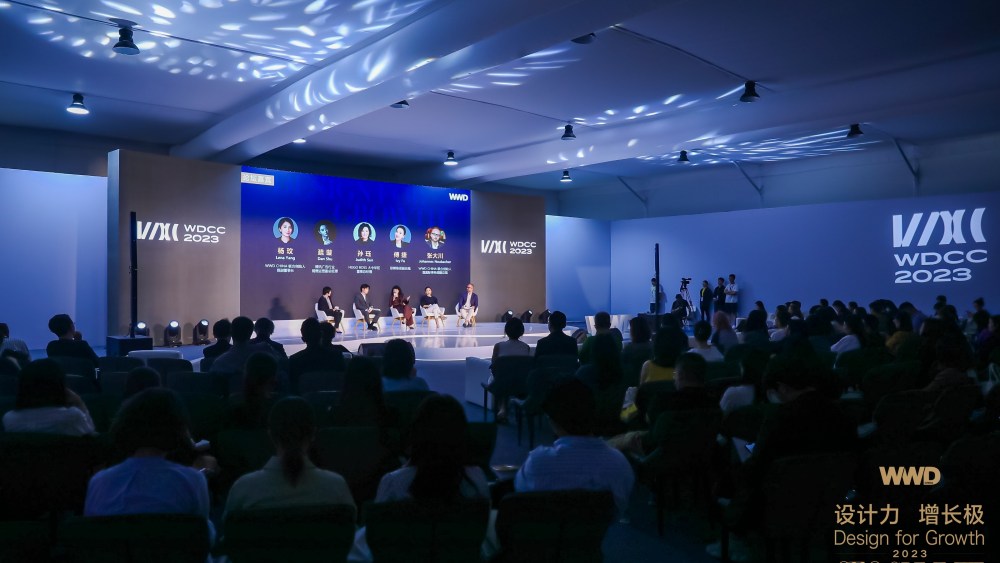
On Sept. 27, 2023, at the WWD CEO Summit organized by WWD China in Shanghai, representatives from luxury fashion brands and omnichannel platforms convened to discuss the topic of “New Landscape: Omnichannel Retailing Strategy in the Multipolarized Development of the Luxury Fashion Industry”.
Related Articles
Despite facing numerous challenges in the market in 2023, the comprehensive resurgence of China’s market has provided significant impetus to the growth of the global luxury industry. According to the latest data on China’s social consumption retail released by the National Bureau of Statistics, the total retail sales of social consumption goods reached 30.2281 trillion yuan by August this year, a year-on-year increase of 7.0 percent. Among them, the categories of clothing, shoes, hats and textiles increased by 4.5 percent year on year in August, close to the overall growth rate of social retail.
In 2023, numerous brands have gone all out in China, with a flurry of initiatives ranging from pop-up events, store expansions, online marketing, to brand exhibitions. However, the Chinese market has also changed significantly this year, including the recovery of the real economy, the penetration of luxury and beauty brands and malls into second-and third-tier cities, and consumers placing increasing importance on immersive shopping experiences, personalized services, and brand values resonating with digital social currency significance. These trends have made the omnichannel strategy an essential for brands.
Concurrently, consumer preferences are shifting due to generational differences, varied communities, and the emergence of slash lifestyles, leading to a multipolarized trend in brand selection: they no longer follow a simple consumption upgrade or downgrade path, but make more complex and personalized choices.

In response to these changes, WWD China organized the WWD CEO Summit in Shanghai, focusing on the theme New Landscape: Omnichannel Retailing Strategy for the Luxury Fashion Industry amidst Multipolarized Development. We gathered experts from Tencent Marketing Solution, Hugo Boss, Lanvin and other industries to explore how brands can solidify customer value through omnichannel operations in the evolving market, how to leverage new technologies to attain sustainable growth, and other topics. This summit will not only address the current trends and challenges facing the fashion industry, but will also share insights and solutions for shaping its future in 2024.
Opportunities and Challenges for the Luxury and Beauty Industry in a Multipolarized Environment
2023 presents both opportunities and challenges for luxury and beauty brands. According to the “China Luxury Market Digital Trends Insight Report” led by Tencent Marketing Insight (TMI) and supported by analysis from Boston Consulting Group (BCG), the consumption of luxury goods by Chinese mainland consumers expects to hit 550 billion yuan by 2023, with a year-on-year growth rate of 15-20 percent. The improving macro economy, the influx of new consumer groups and the recovery of social occasions drive consumer demand growth.
However, the market has also become more fragmented and multipolarized due to high-precision technological innovation, diversified population and rich interest circles. Faced with such an environment, how brands can enhance their brand power and value, maximize consumer value, and achieve sustainable development remains a key challenge.
From the perspective of an all-encompassing platform, Daniel Shu, vice general manager, Tencent Marketing Solution, commented on changing consumer demographics: “China’s luxury and high-end beauty consumers are more diverse and complex, and the expansion of young groups and consumers in lower-tier cities brings opportunities and challenges for brands. Consumers are the origin of all brand themes, and this is where Tencent’s ecosystem has the greatest advantage. The ecosystem, epitomized by WeiXin, allows brands to fully reach the coverage of brands’ target consumers, the rapid development of WeiXin Channels brings new groups for brands, and the rich content ecosystem of video, music, games allows brands to identify different ways of expression and communication for various groups, achieving brand building and business growth for diverse consumers.”
From a branding standpoint, luxury and beauty brands that have witnessed the rapid evolution and segmented consumption levels of the Chinese market are also actively adjusting their strategies to seize the next growth opportunity. As an illustration, the Lanvin Group has ventured innovatively into the realms of NFT (non-fungible token) and AIGC (artificial intelligence-generated content), showing that this French haute couture house with more than 130 years of history and heritage is embracing the times.
Responding to the maturing consumer market, Hugo Boss embarked on a holistic transformation guided by its Claim 5 strategy. The brand introduced a slew of localized measures, focusing on brand enhancement, product leadership, digital supremacy, omnichannel equilibrium, and sustained growth. Among them, the digitalization and the renewal of offline brand concept stores use technology to bridge the online and offline worlds and show consumers the brand’s transformation through more touch points. Judith Sun, the general manager of Hugo Boss Group China, emphasized their commitment to enhancing in-store digitalization and fortifying a seamless omnichannel experience. That is because Chinese consumers are more receptive to emerging technologies.
How Luxury Brands Boost Online Growth Engines and Uncover Unique Brand Power
While personal satisfaction and pleasure are still the primary purchase drivers for the luxury market, factors like social value as a status symbol, versatility for different occasions, expression of individuality and uniqueness, brand recognition, and premium gifting options are becoming increasingly prominent in consumer decisions. To respond to these changing consumer trends, brands must leverage their brand power, the soul of their content, to unlock their core growth potential.
At the same time, the “China Luxury Market Digital Trends Insight Report” also pointed out that consumer behavior continues to shift online, and online channels’ penetration rate has grown to 46 percent in mainland China. Domestic offline stores, brand websites, and brand mini-programs attract younger, frequent customers. Regarding information channels, online channels play a crucial role during the consumer’s interest phase, influencing more than 90 percent of purchase decisions. Therefore, one of the core competencies for brands to achieve efficient interaction with consumers is how to use technology to stimulate consumers’ five senses and provide them with an ultimate experience guided by their brand spirit.
In recent years, digital innovation has been an integral part of every major market upgrade and has profoundly affected the consumption choices of different generations. Tencent, as a platform with a vast user base, encompasses a wide range of populations. As content seeding and KOLs become increasingly crucial, Tencent’s ecosystem nurtures emerging groups and KOLs from various fields. Daniel Shu said, “Within the Tencent ecosystem, the vast user base allows brands to effectively reach various consumers. In addition, its rich content ecosystem can provide more touch points and localized content support for brands.”
How to effectively convey the brand spirit? Luxury beauty brands can communicate their brand power by selecting brand ambassadors that match their tone, integrate with local culture, break interest circles and expand their reach. For example, BOSS chose Wang Shun as its brand ambassador because of his spirit and appeal to the young generation. It also live-streamed its fall collection show in Milan on full-network digital platforms and launched a “see now, buy now” series on WeiXin mini-programs and other channels. These are ways to communicate its brand value to customers in the new era.
How to Use Tech-empowered Omnichannel Marketing to Build a Strategy that Transcends Time and Space
Gen Z is the new generation of luxury beauty consumers. They value uniqueness and trendiness, and constantly change their product preferences. For Gen Z who grew up with the internet, online channels have a profound influence on them. Creative and localized content is essential to capture their attention.
Brands need to create more innovative content campaigns and select more refined platforms to resonate with Gen Z. They also need to use digital innovation technology to achieve instant communication with consumers across online and offline platforms and expand new customer groups while consolidating existing ones. These are the key steps for brands to survive and thrive in the market.
To reach Gen Z effectively, brands should focus on three elements for platform reach and content strategy: people, content, and interaction. Staying true to the essence of retail, only by adapting to the evolving habits of different generations and offering comprehensive coverage can brands achieve sustained growth.
Daniel Shu said, “Tencent’s ecosystem will continue to open up different transaction scenarios from new touch points and it will adapt to consumers’ differentiated purchasing habits, help brands achieve growth, and continuously generate new opportunities in the omnichannel service.”
Given the complexity of China’s digital ecosystem, Judith Sun, managing director, Hugo Boss Greater China, believes that omni-channel marketing is a capability that brands need to continuously develop. From marketing to implementation to conversion, brands need to combine their own needs and strategies, choose to deeply collaborate with specific platforms, or integrate resources from multiple platforms to convey consistent information, delivering a strategic one-two punch.
It’s crucial to allocate resources based on the brand’s development stage, said Ivy Fu, vice president, Lanvin Group. As a French brand with a rich heritage, Lanvin is constantly breaking boundaries in its Yuyuan Fashion Show, collaborating with artists from different fields, and innovating experiences in the metaverse.
In conclusion, despite the uncertainty of 2023, Chinese consumers’ longing for a better life and quality consumption offer a high potential market. Population Assets Management, Omnichannel Strategy, and Content-Driven Brand Power will be the engines for sustainable growth.