
Manhattan’s South Street Seaport, nestled between the Brooklyn Bridge and Wall Street by the East River, has long been a major tourist destination that New Yorkers tended to avoid.
Now, through its sweeping redevelopment in progress, the historic district dating back to 1625 is striving to attract a wider audience and embrace locals.
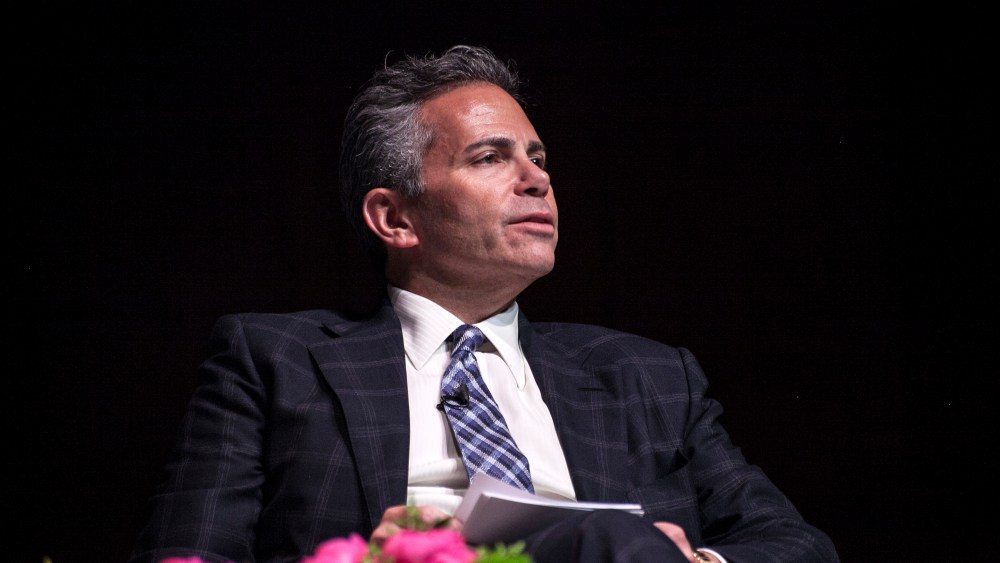
“You have to have a relevant experience,” said David R. Weinreb, chief executive officer of The Howard Hughes Corp., when asked what’s the key to broadening the Seaport’s appeal.
“We are working hard to get the best-in-class, from the retailers to the food experience, to entertainment, culture,” Weinreb said. ” Even right now with the pop-up food that we have, it’s about making it relevant so when you come down there, you don’t feel like it’s a tourist destination.
Related Articles
“I have said from Day One that we will know whether we have arrived or didn’t arrive based on bringing that consumer from the Upper East Side or Upper West Side back down to the Seaport,” he said.
You May Also Like
Weinreb moderated a panel at WWD’s Retail 20/20 conference that included Ari Hoffman, ceo of Scotch & Soda USA, and Samantha Wasser, cofounder and creative director of By Chloe, the fast casual vegan restaurant. Scotch & Soda and By Chloe are both opening in the Seaport next year.
The Howard Hughes Corp., which owns the Seaport, is redeveloping the district by modernizing it and changing the offering, while seeking to maintain its historic heritage and sense of place. Hughes Corp. is also adapting the setting with open spaces and other amenities so visitors can appreciate and enjoy more of the majestic setting and views of the bridges linking the boroughs and the Statue of Liberty.
The centerpiece is Pier 17, which is being rebuilt and remerchandised with higher-grade stores and restaurants, and a rooftop venue for events, though all of the buildings within the district will be preserved. This includes the Tin Building, which is being restored as a food market, and The Seaport Museum, which is being enhanced and will provide access to ships docking at the Seaport. Additionally, Hughes Corp., in conjunction with WWD, last year opened Seaport Studios, serving as a platform for up-and-coming designers. The Seaport includes seven buildings totaling more than 400,000 square feet.
“Our vision for New York’s Seaport is to transform it into a destination for cutting-edge fashion, culinary entertainment and cultural experiences to serve the growing and evolving lower Manhattan community,” Weinreb said.
Restaurant additions to the rebuilt Pier 17 will include those by acclaimed chefs Jean-Georges Vongerichten, who will also do a fish market in the Tin Building, and David Chang of Momofuku. The Seaport also will be home to the city’s first iPic theater and a book store.
“Extraordinary place-making requires extraordinary partners, great designers, retailers and restaurateurs, along with community and civic leaders,” Weinreb said. “Most importantly, we look to elevate the experience with retailers and restaurants who think big, disrupting their space with innovative concepts and business models to challenge the status quo, in keeping with that place-making philosophy….Becoming less transactional and increasingly experienced-based is what we are all about. It forces us as landlords, retailers and designers to work collaboratively and continue to sharply focused on providing consumers with a truly differentiated, unique experience.”
For the Amsterdam-based Scotch & Soda fashion brand, and the By Chloe restaurant, there were several reasons for deciding to expand their brands to the Seaport.
“I am a native New Yorker. I have such fond memories of going down to the Seaport,” Wasser said. “Our customer base works down there and lives down there.
“Most people would imagine our customer to be from age 17 to their early 30s and female, but at our flagship on Macdougal Street, we get such an array of people, from tourists to elderly people to [residents] of the neighborhood,” Wasser observed. “It goes from vegan to nonvegan but surprisingly vegan is probably less than 10 percent of our customer base, which was definitely shocking when we opened the doors.”
“We didn’t want to be on Main Street. We didn’t want to be on the main thoroughfare,” said Hoffman, explaining the Amsterdam-based Scotch & Soda’s retail expansion philosophy. “We wanted to be off, on the side streets. We wanted to have a sense of discovery. We don’t want to be on Fifth Avenue, though its amazing the business you can do there with the traffic.
“But make it a sense of discovery and unique…we are really not interested in dressing the world. We focus very specifically on our customer,” Hoffman said.
“Downtown could be very cold, with all these huge buildings,” Hoffman added. “It’s really not personal at all to an extent. You have the FDR and West Side Highway butting each other, but when you look at the Seaport, it’s a world apart. It has unobstructed access to the waterfront, amazing views of the water, the Brooklyn Bridge. You don’t have to cross the highway. We love the Seaport’s cobblestone streets, the crooked buildings, and then you have the new contemporary part of it. Famous chefs are coming in. Wall Street is coming to dine. There are so many reasons,” for choosing the Seaport for a Scotch & Soda store. “My only disappointment is that we can’t open earlier.”