
Retail and brand executives are projecting a certain watchful readiness when Wall Street analysts press them on the world’s COVID-19-driven supply chain tangles.
The general message from fashion’s biggest players is that — while there will be some kind of a second half hit — companies are being proactive, flying goods in, making sure to secure dedicated ocean transport and using AI tools and agile distribution to most effectively get goods to where they’re most wanted.
But with containers in short supply, ports backed up and materials shortages looming over the holiday season, the industry’s Washington contingent is starting to yowl.
Related Articles
David French, senior vice president of the National Retail Federation, described the challenges of supply chain disruption as “an overwhelming concern without easy answers.”
You May Also Like
“We’re working to get the attention of the administration to focus their efforts to help them resolve this, but it’s an uphill battle,” French said.
While a lack of, say, cargo containers in the right places is a relatively straightforward supply chain hiccup, the broader problem is complicated and cutting across sectors — from retail to high tech. For instance, French said that shortages in some microchips have become a factor as the supply crunch hits sectors from cellphones to automobiles.
The dangerous Delta variant, a painfully slow global vaccination rollout and lingering delays from the near-complete commercial shutdown last year are all sapping shipping and distribution capacity just as stores and e-commerce sites look to their peak selling season.
“It hasn’t gotten better and, as we’re well into the [preparations for the] holiday shopping season, it’s certainly top of mind,” French said.
It’s a good time for retail to zero in on the topic as it is currently top of mind in Washington, too, with lawmakers hammering out a far-reaching infrastructure bill that could funnel billions to port updates, bridge repairs and more.
But French warned against hoping for a “silver bullet” to solve the industry’s current problems.
“The long-term investment in infrastructure will help overall for the supply chain, but that’s a next-decade solution, not a next-month solution,” he said. “It’s going to end up being a series of baby steps to try to identify the choke points in the supply chain and trying to make modest improvements. If enough attention is focused on those problem areas, then we at least start moving things a little faster.”
For now, retailers are doing what they can and seem to be successfully calming most worries on Wall Street. Supply chains and shortages have come up repeatedly on quarterly conference calls with analysts this month, but have not taken over the conversation.
“We continue to monitor industry trends related to transit and port delays,” Brett Biggs, chief financial officer of Walmart Inc., told analysts. “Our merchants continue to take steps to mitigate challenges, including adding extra lead time to orders and chartering vessels specifically for Walmart goods. Out-of-stocks in certain general merchandise categories are running above normal, given strong sales and supply constraints.”
At Target Corp., chief operating officer John Mulligan acknowledged that shoppers “are still seeing empty shelves on some occasions” but that the issue has improved from last year.
“In some of those situations, we’ve simply sold beyond our expectations, and our team is working quickly to secure additional quantities,” Mulligan said. “In other cases, the vendors themselves are facing constraints in their ability to deliver product, and we’re collaborating with them to address these constraints together, securing as much product as possible.”
As companies adjust where they can to the disruption, the leading members of retail’s Washington contingent are all pushing from their end to get what support they can from lawmakers and the bureaucracy.
Brian Dodge, president of the Retail Industry Leaders Association, described the infrastructure bill as “a train that is leaving the station” and said the country has “woefully underinvested in our infrastructure.”
“We are in an industry that moves a lot of goods across the country from place to place and having any sort of road congestion interferes with the pace of shipments — it increases costs, it delays delivery,” Dodge said.
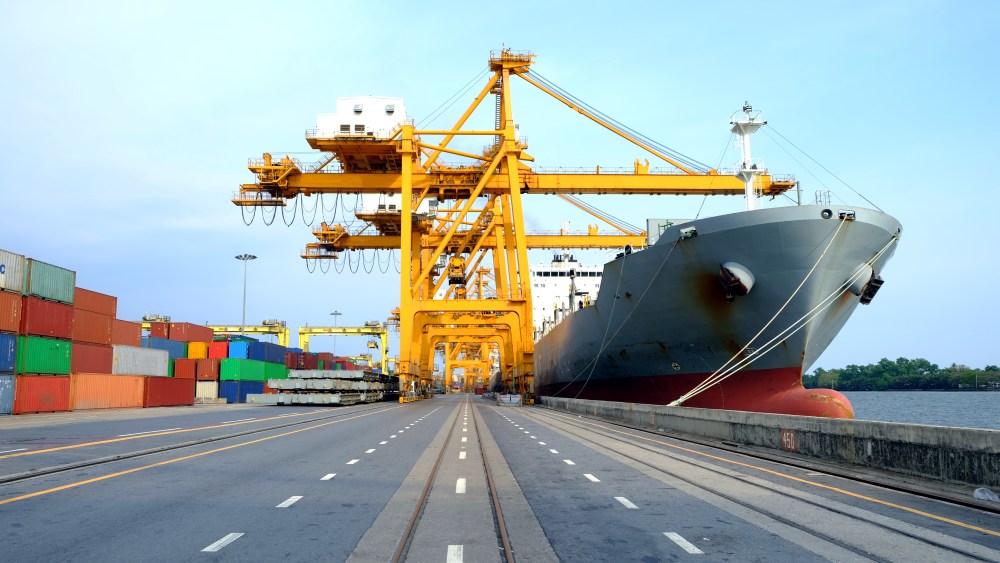
The biggest choke point is America’s ports — which would get a $16 billion boost from the infrastructure bill, as currently envisioned on Capitol Hill.
“The underlying issue is that there are capacity issues at all the ports and they are ill-equipped to deal with the modern shipping infrastructure,” Dodge said.
“The ships are getting bigger,” he said, and the ports are not prepared to handle them. They also tend to be located in urban areas, which adds another layer of complexity.
“Money alone doesn’t fix the problem at the ports, but it’s a big part of the issue,” Dodge said.
The good news is that, in the divided-as-ever Capitol, there is a lot of backing for some kind of movement on infrastructure.
Stephen Lamar, chief executive officer of the American Apparel & Footwear Association, said, “Passage of the bipartisan infrastructure bill and the Ocean Shipping Reform Act — which would address inaction by the [Federal Maritime Commission] and fight price gouging by carriers — both provide promising solutions to long-term issues, and have support in Congress.”
But while neither of those bills addresses the problems of the here and now, Lamar said lawmakers could ease importers’ cost elsewhere.
“We are looking to the Biden administration to work closely with the [Federal Maritime Commission] to fully discharge its oversight role, bring together stakeholders to address the issues at hand, and drop the China tariffs,” he said.
Big infrastructure bills and pandemics come infrequently to Washington, but the importers’ fight against tariffs seems to spring eternal.
More from WWD:
IPOs Reigniting Wall Street’s Love of Fashion
Farfetch’s José Neves on Luxury’s Rebound, Palm Angels and More
Kohl’s CEO Touts Transformation