
PARIS — Net profits at Puig declined 28 percent in 2015 to 126 million euros, or $139.8 million, dented by expenses related to the integration of the Jean Paul Gaultier perfume business and investments in its other brands.
The Barcelona-based fragrance and fashion company maintained the objective of reaching a 2 billion euro, or $2.23 billion, sales target in 2017.
Its sales came in at 1.65 billion euros, or $1.83 billion, up 9 percent in reported terms and 2 percent on a like-for-like basis. Dollar figures are converted from euros at average exchange rates for the period in question.
Marc Puig, chief executive officer of Puig, told WWD he recognized that company growth had stalled over the past two years, but emphasized that was foreseen as part of the strategy put in place to attain the revenue goal in three years.
Related Articles
“Last year at this time we said that for 2015 we were projecting a midsingle-digit [sales] growth, but a reduction of profits,” he said in an interview.
You May Also Like
There were investments made to support its brands and expenses linked to the preparation for the incorporation of the Gaultier fragrance business, which began on Jan. 1, 2016. These included an early termination compensation, since the license with Shiseido’s Beauté Prestige International originally ran through June 2016, and IP rights valued at 69 million euros, or $76.5 million.
Puig had become the majority shareholder of Gaultier’s fashion house in 2011.
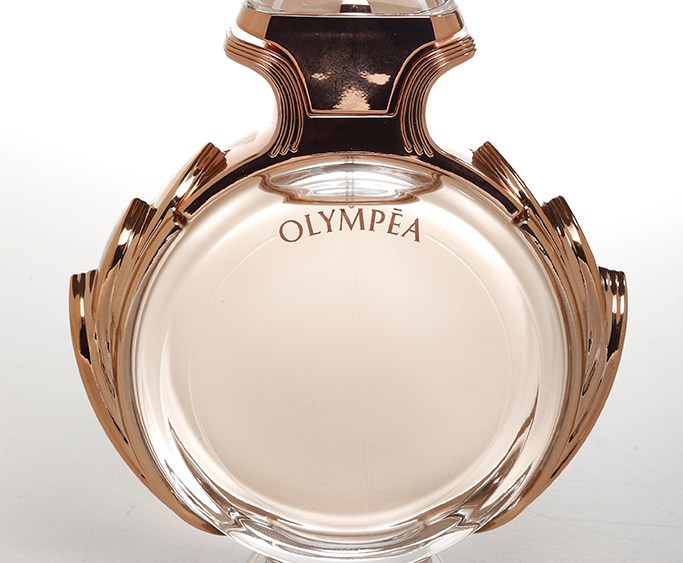
On the perfume front, the company trumpeted a robust performance for the Paco Rabanne brand, including the ongoing successes of the 1 Million and Invictus men’s scents and the more recently launched Olympéa feminine fragrance. There was also L’Extase from Nina Ricci, plus premium offers from Prada and Valentino. Puig also highlighted the strength of the Carolina Herrera brand, and of some of the masstige labels, especially in many of the emerging markets.
The company did not break out financials related to its fashion activity. However the executive did say, referring to Guillaume Henry and Julien Dossena, respectively: “We have two new designers at Nina Ricci and Paco Rabanne, who are in their third or fourth seasons, and we are very happy with how this is evolving. Carolina Herrera is evolving very nicely.”
When asked whether there are any plans afoot to reintroduce a ready-to-wear collection at the Gaultier fashion label, which produces just couture, Puig said: “Not for the moment.”
In general these days, big luxury players are not having an easy time with fashion and leather goods businesses. Sales for that activity at LVMH Moët Hennessy Louis Vuitton, for instance, stalled in the first quarter, as reported.
Yet Puig remains bullish on the categories.
“As long as you do a good job, when you’re still a small player there are always opportunities for growth,” he said. “It’s more difficult when you are the leader and have such huge brands.”
Last year, 86 percent of Puig’s revenues were generated abroad. Domestically, company sales grew 8 percent.
Puig’s three production facilities in Spain manufactured 68 percent of the company’s products, while its factory in Chartres, France, generated 29 percent.
Puig’s products were sold in more than 150 countries. It has subsidiaries in 22 of them.
In 2015, the company had 4,483 employees, of which 1,620 were domestic.
It launched in Spain and Latin America a social action initiative, called Invisible Beauty, which supports entrepreneurs with innovative projects created to better the lives of young people. The program is run by the Puig Foundation with Ashoka, a global nonprofit organization.
Looking ahead through year-end, Puig said: “We are expecting sales growth of low double-digits.” That’s despite the ongoing macroeconomic volatility and uncertainty in emerging markets such as Latin America, the Middle East and Russia, which are key for the company, he pointed out.
To continue bolstering sales growth, so it gains the targeted 33 percent between 2015 and 2017, the company will invest more in its own brands again this year. That means lower profitability until the end of the three-year period.
The organization’s priority is to extract the maximum potential from its brands, which still have large growth opportunities, according to Puig. However, he is not adverse to considering acquisitions, depending on the added value they represent and the fit in the company’s existing portfolio.
Puig has a combination of owned brands, such as Carolina Herrera and Nina Ricci, and licensed fragrance labels like Prada, Valentino and Comme des Garçons.
In early 2015, Puig purchased L’Artisan Parfumeur and Penhaligon’s.
“The experience of retail is different that what we normally do, and it has really helped us understand a different dimension of this [fragrance] process,” said Puig.