
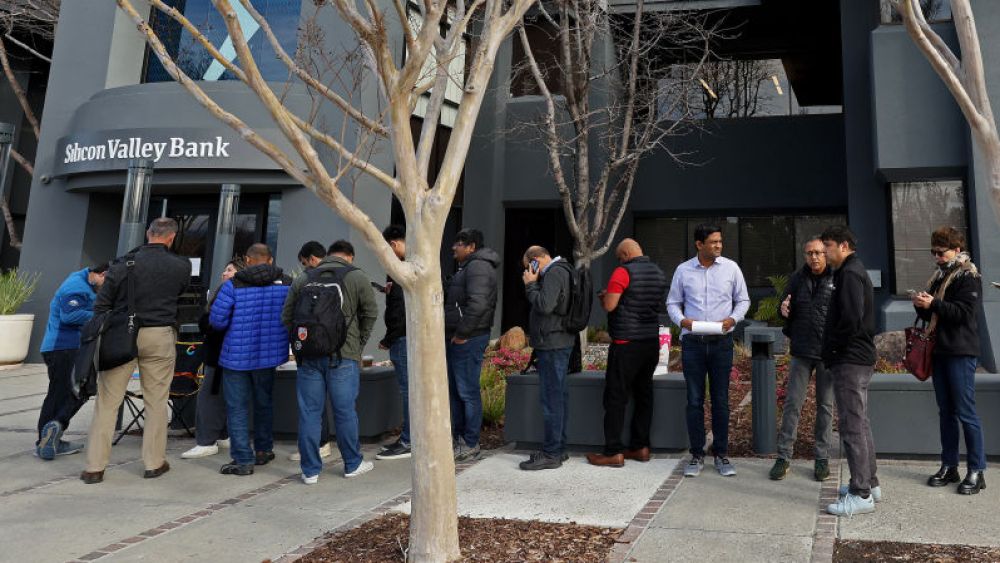
The consumer is showing some signs of wear and tear, having absorbed high inflation, high interest rates and a touch of bank panic.
Retail and food service sales growth slowed to just 2.9 percent from a year earlier in March, almost half the 5.9 percent expansion seen in February, according to new data from the U.S. Census Bureau.
And fashion proved to be a drag, with sales at apparel and accessories specialty stores slipping 1.8 percent year over year while department stores logged a 1.2 percent decline.
Related Articles
One brighter spot came from e-commerce, which is still not riding as high as it did during the pandemic, but continued to win share with non-store retailers posting a 12.3 percent gain.
You May Also Like
This is the first sales reading to reflect spending after the failure of Silicon Valley Bank sparked concerns of another banking crisis — worries that, at least for now, have calmed.
With or without banking troubles, shoppers have plenty on their minds with the economy still recovering post pandemic.
The latest reading of the Refinitiv/Ipsos Consumer Sentiment Index — based on a survey fielded from March 24 through April 7 — showed that sentiment fell 0.7 points to 50.7 from a month earlier, returning to levels last seen in September.
James Diamond, senior research manager at Ipsos, said: “In the first month since the collapse of Silicon Valley Bank and the subsequent financial instability that ensued, Americans report feeling a little less confident in the current economy, breaking a four-month holding pattern. This doubt permeates to Americans’ expectations of the economy six months from now, with the Expectations sub-Index at its lowest point in four months.”
Researcher Craig Johnson, president of Customer Growth Partners, said the sales declines in apparel were primarily driven by “an industry-wide decline in conversion rates,” which fell by 2 percent to 5 percent as fewer people who did go to stores decided to buy.
“This is a very significant slowdown,” Johnson said. “We haven’t seen that kind of decrease since the peak COVID[-19] days.”
While Johnson said it is the mid and lower-end shoppers who are being hit the hardest by the macro economics of the moment, there are other broad trends weighing on apparel sales.
“A lot of women in particular feel they have enough clothes. Their wardrobes are full,” said Johnson, who described the thought process as, “I like that outfit, but I have three other outfits I haven’t worn.”
In addition to “less raw demand for apparel,” Johnson said consumers are also continuing to prioritize spending on other hot categories, including beauty and footwear.
However, Matthew Shay, president and chief executive officer of the National Retail Federation, noted that the slowdown in sales in March came after strong gains earlier in the year.
“Continued easing of inflation and the overall strength of the job market and wages are keeping the fundamentals of the consumer economy strong and should support their ability to spend on household priorities through 2023,” Shay said. “Retailers recognize the pressure on consumers from increased prices in services and experiences, and the impact of higher interest rates, and are prioritizing product mix, competitive pricing and convenience to help consumers stretch their budgets.”