
New stores with new formats are part of a plan for MAC Cosmetics in the U.S. and abroad, Estée Lauder Cos. Inc. president chief executive officer Fabrizio Freda said on Thursday.
“MAC is developing several different store formats, some of them are more tailored to location, where there’s a lot of young people,” he said. Shops will be freestanding or in malls, but the goal is the same: “different formats that speak to different consumers in different ways,” Freda said.
The global retail plan includes stores in the U.S., where MAC has struggled at the behest of declining midtier mall foot traffic and lower activity from tourists in freestanding stores. The new outposts will have smaller footprints, Freda said, and be more digitally oriented.
Related Articles
“All of these formats are going to be better connected in an omnichannel way to our online sites,” he said, specifying that loyalty programs, different purchasing models (like buy online, pick up in store) and seeing innovation are part of the plan.
You May Also Like
Freda first mentioned the retail plan on a call with analysts following Lauder’s earnings report Thursday, when the company said sales were up, but earnings were down for its second fiscal quarter.
Earnings for the period were $428 million, compared with $447 million year-over-year. Net sales, however, were up 3 percent, to $3.21 billion from $3.12 billion in the year-ago period. Diluted net earnings per share, including restructuring charges, were $1.15, down from $1.19 year-over-year. For the six months ended Dec. 31, Lauder had $6.07 billion in net sales, up 2 percent from $5.96 billion in the prior-year period. Net earnings for the period were $722 million, down from $756 million year-over-year. Lauder is projecting constant-currency sales growth of 6 to 7 percent, including 1 percent in incremental sales from the acquisition of Too Faced, with constant currency EPS gains between 8 and 9 percent.
“In the quarter, our best performers were our midsized and luxury brands,” Freda said. “They are headed on a path to become big brands.”
By segment, fragrance was the fastest-growing category for the quarter, which included holiday — up 6 percent to $497 million from $470 million in the prior year period. Jo Malone, Tom Ford, Le Labo and Frédéric Malle all posted double-digit gains, according to the company, and numbers were boosted by incremental sales of By Kilian. Le Labo launched in Nordstrom, and did well with a new fragrance set, Freda said. The category saw lower sales of certain Estée Lauder and designer fragrances.
Skin care sales inched up 1 percent, to $1.25 billion from $1.23 billion in the year-ago period. Sales were boosted by double-digit gains in every region for La Mer. The Estée Lauder brand also saw strong sales of its Advanced Night Repair Intensive Recovery Ampoules and Revitalizing Supreme+, with double-digit gains in travel retail. Glamglow also saw double-digit sales growth. Those gains were offset by lower skin-care sales at Clinique and Origins. Clinique was affected by lower sales in the Asia-Pacific region specifically.
Hair-care sales declined 8 percent, to $137 million from $149 million. Lauder said the numbers were affected by a difficult comparison to Aveda launches in the year-ago period, but that the brand is launching initiatives later in the fiscal year.
Makeup sales were up 4 percent, to $1.3 billion from $1.25 billion year-over-year. Tom Ford posted double-digit gains in every region, and Estée Lauder, La Mer and Smashbox also had sales increases. The category was also boosted by incremental sales from Becca and Too Faced, Lauder said. Makeup sales were offset by lower sales at Clinique, which Lauder said was affected by an early gift-with-purchase program, and MAC, which saw gains excluding the effects of foreign currency but otherwise declined. Operating income from the makeup category decreased because of lower sales at MAC and Clinique, combined with transaction costs from recent acquisitions. While MAC has been hurting in the U.S., internationally and in travel retail, the brand is experiencing higher sales, according to the company.
It’s also growing online, Freda said. “Our aim is to strengthen the brand competitiveness in the U.S. while investing behind its international momentum,” he added. One area of momentum for the brand is China, where Freda called the brand’s growth “outstanding” and said lipstick sales were on the rise, and that he expected an upcoming launch on TMall to bode well. The brand is also partnering with 10 global beauty influencers and bloggers that will develop their own lipstick shades, Freda said.
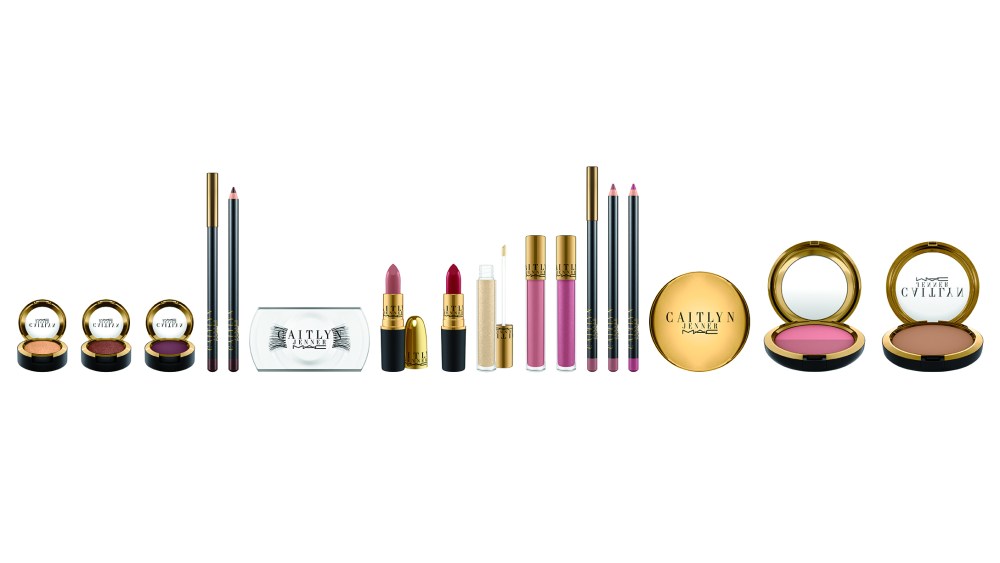
That project is in line with the overall strategy for MAC, which includes upping its influencer quotient. The company’s earned media value, a metric measured by Tribe Dynamics, was up 36 percent year-over-year for January, to about $72 million. Outside of the social realm, the brand will focus on innovation programs, which includes collections like the Caitlyn Jenner for MAC or Selena launches, as well as increasing traffic in existing doors through “events and activities that can generate traffic,” Freda said. Lauder will keep opening and closing MAC doors in its normal course of business, Freda said, adding that activity is not related to the effort to reinvigorate the brand in the U.S.
Freda also focused in on the Lauder brands’ distribution during the call, saying the U.S. midtier department store channel was decreasing for the business as a percentage of sales, adding it had “the most disappointing performance as part of our portfolio.” Lauder’s acquisition spree has been partially geared toward buying brands with distribution in the specialty retail space (Sephora and Ulta Beauty), such as Becca or Too Faced.