In the realm of luxury marketing within the Chinese market, tactics such as unveiling New Year exclusives, enlisting brand ambassadors, and rolling out fresh, creative campaigns are all standard practices. However, as consumers become increasingly discerning and competition intensifies, these conventional tactics are clearly insufficient for a brand to truly stand out in the Chinese market. The key question for every brand is how to truly break through the mold and capture the consumer’s imagination. This is the path they are all keen to explore.
WWD CHINA has noted that Qeelin, a standout modern Chinese brand in the luxury jewelry sector, has developed a unique fan-winning strategy at the beginning of 2025, grounded in Eastern aesthetics:
Related Articles
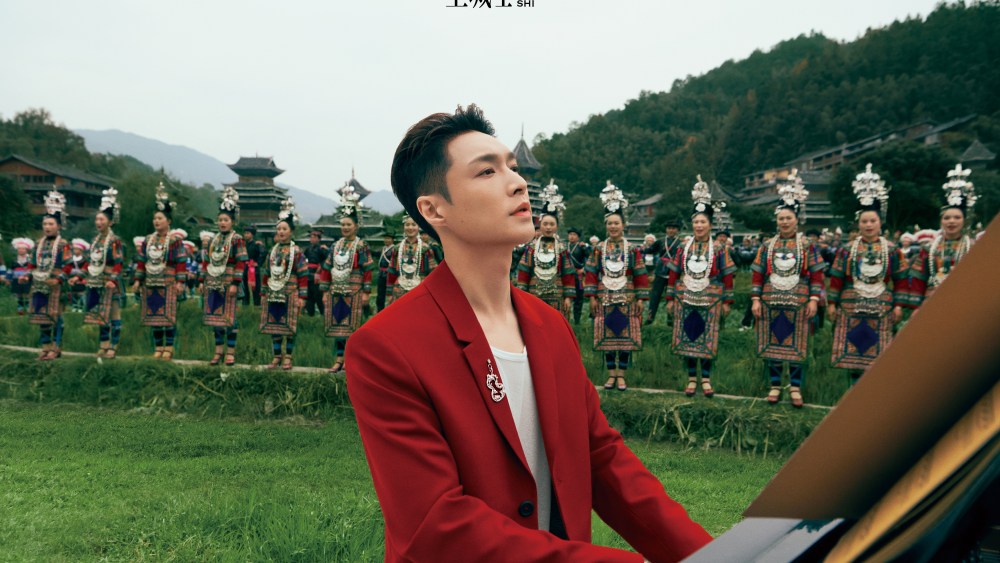
On the surface, the brand began 2025 with the launch of the Wulu Eternity collection. Simultaneously, it collaborated with global brand ambassador Lay Zhang and traditional Dong ethnic singers to create a New Year’s film, jointly bringing the ancient Grand Song of the Dong to life. On a deeper level, this represents a transcendent dialogue between contemporary pop culture and the ancient Eastern intangible cultural heritage. It breathes new life into the 2,500-year-old Grand Song of the Dong, presenting it for the first time on the global fashion stage to highlight the essence of “Chinese beauty.”
You May Also Like

Qeelin’s approach offers a novel blueprint for global luxury brands to follow: through a deep understanding of the essence of local traditional culture and forging a profound connection with the brand’s legacy and modern living, in order to create a brand “narrative” that is both distinctive and widely relatable.
Deepening the Connection Between Chinese Cultural Symbols and Global Culture
For Qeelin, a Chinese fine jewelry brand, the term “China” serves as its distinctive cultural hallmark, distinguishing it from Western luxury jewelry counterparts. It’s also the secret weapon in its marketing strategy to combat over-commercialization and rampant homogenization.
Looking at Qeelin’s 2025 marketing strategy, it is evident that the brand remains deeply rooted in Chinese culture, its foundational element and guiding principle. Through a range of initiatives that push beyond conventional boundaries, the brand aims to “Discover the Beauty of China.” A standout example is the fresh take on the Grand Song of the Dong, which has become a symbolically significant cultural fusion. As Christophe Artaux, Qeelin’s CEO, puts it, “We bridge the gap between the East and the West.”
The Grand Song of the Dong, recognized as an intangible cultural heritage, dates back to the Spring and Autumn and Warring States periods, boasting a history of over 2,500 years. It’s not just a musical treasure but also holds immense social and cultural significance. In a society devoid of written language, it served as an “encyclopedia.” In this instance, Qeelin joined forces with global brand ambassador Lay Zhang and traditional Dong singers to create a New Year’s film, jointly bringing the ancient Grand Song of the Dong “Zugong Luo Zhai” to life.
During production, Lay Zhang assumed the role of composer, collaborating with Dong artists to merge traditional musical elements with contemporary pop, revitalizing the ancient Grand Song of the Dong. This art form, which transcends language barriers and speaks directly to the heart, has not only captivated audiences worldwide but also elevated Eastern symbols to a global stage. It exemplifies Qeelin’s dedication and commitment to preserving and promoting the finest aspects of traditional Chinese culture.
The jewelry from the Wulu Eternity collection, worn by Lay Zhang in the film, is a New Year’s release by Qeelin in celebration of the lunar Snake Year. Its design draws inspiration from the circular shapes and rotating objects in traditional Eastern culture, symbolizing completeness, harmony, and the cyclical flow of positive energy, akin to the spiritual essence conveyed in “Zugong Luo Zhai.” As Christophe Artaux said in an interview, “Today’s luxury is not just about design and craftsmanship; it is primarily about emotional connection and touching the soul. We want every customer to feel the warmth and strength that emanate from the East.” This philosophy is reflected in all of Qeelin’s products and services, making it not just a jewelry brand but also a bridge connecting the past and the future.
It’s worth noting that “Discover the Beauty of China” is not a new initiative launched by Qeelin this year. As early as the eve of the 2024 Spring Festival, Qeelin partnered with global brand ambassador Liu Shishi to travel to Yangshuo, Guangxi, to film the renowned local “Golden Dragon Parade” folk activity. During this event, bamboo rafts connected end to end formed a nearly kilometer-long “golden dragon,” symbolizing the people of Yangshuo’s hopes for favorable weather and national peace. Liu Shishi, holding a gourd lantern symbolizing peace and prosperity, joyfully traveled along the Yulong River, interpreting classical totems through the fusion of tradition and modernity. This conveyed the brand’s philosophy of “balance and harmony” alongside the powerful momentum of the dragon as it journeyed across the world.
In 2025, the brand further deepened the cultural essence of “Discover the Beauty of China” by exploring Dong culture, further emphasizing its respect for and commitment to preserving traditional Chinese culture. As Christophe Artaux stated, “Qeelin is a jewelry brand born in China, and this is the brand’s unique characteristic. Therefore, Qeelin will continue to nurture Chinese culture, as this is the only way for us to stand out in a very crowded market environment.”
As a partner in Qeelin’s New Year marketing for the past two years, Lun Sibo, the founder of “Shangchengshi,” (Scholars of the Upper City) also shared his views with WWD CHINA: “We interpret the essence of traditional intangible cultural heritage through modern photography and fashion styling, aiming to present the essence of ‘beauty’ in a way that resonates more closely with the contemporary perspective. This is the key to touching the audience’s heart; it also reflects the media and brand’s continuous attention to Chinese traditions and folklore, which in itself is a form of romance.”
Through these carefully planned collections of cultural activities, Qeelin showcases China’s natural beauty and cultural landscapes to the world while conveying a strong message: even in today’s globalized world, preserving the uniqueness and vitality of local culture remains crucial. This not only enhances the brand’s recognition and influence in the global market but also fosters a profound connection between Chinese cultural treasures and global culture.
Discover the Beauty of China and Share Cultural “Treasures”
Upon reviewing the brand’s development journey, WWD CHINA discovered that Qeelin has been closely linked with the mission to “Discover the Beauty of China” since its inception.
In 1997, founder Dennis Chan was profoundly inspired by the rich cultural heritage of Dunhuang and decided to establish Qeelin, with the aim of captivating the world with Eastern culture. “I want to create Chinese designs that resonate with this era, using a language understood by the entire world, ensuring that our cultural essence is passed down for generations.” It was from this moment that Qeelin began exploring ways to integrate traditional Chinese cultural elements into modern design, bridging the natural divide between commerce and culture while uniquely spreading Chinese culture and unveiling the charm of the East.
In 2024, to enhance the protection and study of the precious cultural relics in the Dunhuang grottoes, Qeelin made a generous donation to the Dunhuang Academy to fund research on accessories from the Sui and Tang dynasties. This philanthropic act not only showcased the brand’s social responsibility but also provided a wealth of creative inspiration for its own reinvention. That same year, Qeelin launched the Wulu Fairy (Flying Apsaras Wulu) high-jewelry collection and Dunhuang Bo Bo jewelry, showcasing the unique aesthetic style and cultural significance of Dunhuang to the world.
On its journey to “Discover the Beauty of China,” Qeelin not only focuses on exploring and promoting ancient cultural heritage but also turns its attention to the natural treasures of the giant panda. Since 2018, the brand has partnered with the World Wildlife Fund (WWF) to launch a panda habitat conservation program, aiming to restore and expand the living space of this rare species in the Dujiangyan region of Sichuan. This initiative is not only focused on preserving a species but also on safeguarding a precious cultural heritage. True “beauty” can only be achieved when humans and nature coexist harmoniously, an aesthetic pursuit that honors the past while looking towards the future.
As Johannes Neubacher, the Chief Content Officer of WWD CHINA, noted, “As an increasing number of brands acknowledge the significance of local culture and historical heritage, Qeelin’s thorough exploration and promotion of the essence of traditional Chinese culture truly signal an important trend for the future of the fashion industry. Particularly in the luxury sector, creating brand narratives with local cultural nuances has become a significant competitive advantage. In the long term, successful local cultural narratives will help brands stand out in the global market while also fostering the growth of the fashion industry in terms of cultural diversity and transcending traditional norms.”
It is evident that whether engaging with ancient civilization relics or addressing contemporary ecological challenges, Qeelin has consistently embraced an open and inclusive attitude, constantly experimenting with contemporary methods to interpret traditional culture in ways that transcend traditional norms. These “small steps” are what emphasize Qeelin’s brand vision of showcasing “the beauty of China” on the global stage. As one of the world’s leading luxury groups, Kering, the parent company of Qeelin also partnered with the National Museum of China last year to host a special commemorative event in Beijing titled “Looking Back to Illuminate the Future, Building on the Past to Open New Horizons – Commemorating the 60th Anniversary of the Establishment of Diplomatic Relations between China and France and the Return of the Rat and Rabbit Heads from the Old Summer Palace.” Notably, these two bronze animal heads were previously donated to the Chinese government and people by the Pinault family, founders of Kering Group, without compensation, demonstrating their strong commitment to and support for the preservation of Chinese cultural heritage.
At the event, François-Henri Pinault shared the motivation behind the donation: “To create a better future, the protection, understanding, and transmission of cultural heritage are essential. Chinese culture has an extraordinary impact on all humanity. It is very important for us to participate in the transmission and preservation of China’s cultural heritage.”
From a global fashion industry perspective, Qeelin’s success is no coincidence. It is not only about the brand’s exceptional craftsmanship and design aesthetics but also its profound understanding and creative expression of Chinese culture. From the launch of the Wulu Eternity collection to collaborating with Lay Zhang to interpret the Grand Song of the Dong, Qeelin has once again reinforced its unique position as a fine Chinese jewelry brand in the global market, becoming a bridge that connects Eastern traditional culture with modern international aesthetics.
This cross-cultural integration not only garners market recognition for the brand but also presents a new direction for the global luxury industry to explore: as globalization accelerates and deepens, cultural resonance and emotional connection are increasingly becoming the new battleground in the luxury sector. Brands that can successfully integrate local cultural characteristics into their products and services will gain an edge in the fierce market competition of the future. Undoubtedly, for luxury brands to achieve long-term success, they must transcend traditional business models and commit to generating greater and more meaningful social value.