
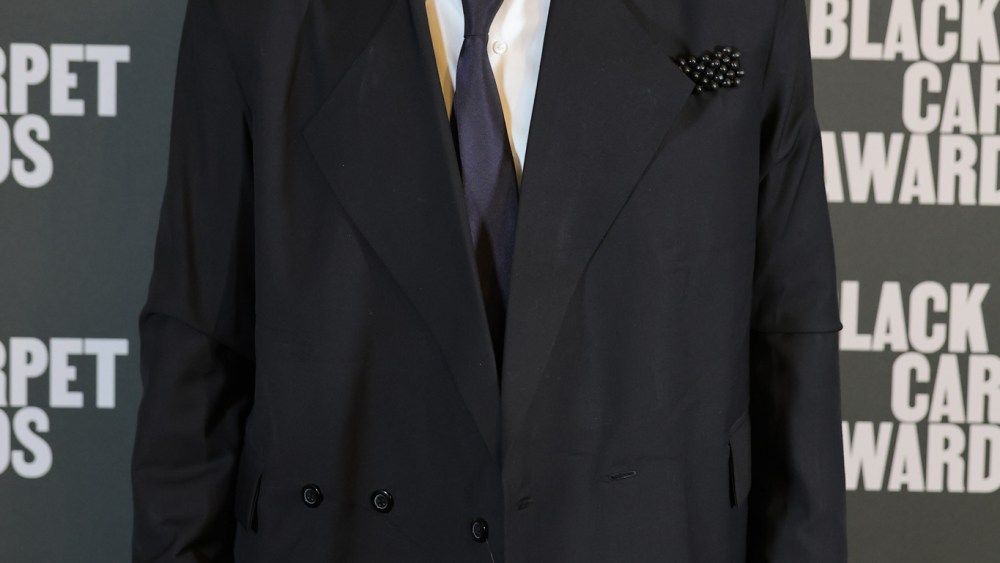
CANNES, France – Italy’s fashion body Camera Nazionale della Moda Italiana will introduce new voluntary guidelines discouraging the use of fur on the runways of Milan Fashion Week beginning with the September 2026 shows, marking the latest move by a major fashion body to distance itself from fur amid shifting industry standards and evolving animal welfare regulation.
“The adoption of these Guidelines represents a further step in the path of responsibility and sustainability that Camera Nazionale della Moda Italiana has pursued for more than ten years in support of Made in Italy. This initiative confirms CNMI’s intention to accompany the evolution of the fashion system with balance and awareness, in coherence with the strategic direction we are pursuing,” said president Carlo Capasa.
Related Articles
The move follows the major fashion weeks of London, which banned fur in 2023, and New York, which announced a ban announced last December that will apply from Spring 2027 shows this September.
You May Also Like
New York’s ban includes farmed or trapped fur from animals killed specifically for their pelts — including but not limited to mink, fox, rabbit, karakul lamb, chinchilla, coyote, and raccoon dog.
London fashion week went a step further and banned exotic animal skins such as crocodile, alligator and snake from shows beginning in 2025.
“In this context of growing sensitivity, and in line with both the law and its mission to promote responsible practices and protect Italian manufacturing excellence, CNMI believes that the most effective approach does not consist in imposing bans — which, given the association’s role, functions and powers, it could not impose in any case — but rather in issuing a recommendation not to present, during Milan Fashion Week runway shows, clothing, accessories or any other elements containing Fur as defined above,” the organization said in the guidelines document.
Other fashion weeks including Copenhagen, Berlin, Stockholm, Amsterdam, Helsinki and Melbourne have already announced fur-free policies.
CNMI described the framework as a “best-practice recommendation” consistent with its role as an industry association rather than a regulatory authority, and not a ban.
The organization said that brands would retain full “creative and entrepreneurial autonomy,” and that companies choosing not to follow the recommendations would face no sanctions, exclusion from the official calendar or other penalties.
Instead brands are invited not to present “clothing, accessories, or any other items containing fur” during Milan Fashion Week runway shows, while the organization itself committed not to feature fur in its own promotional content.
CNMI said the initiative builds on sustainability commitments it first introduced in 2012 through its Sustainability Manifesto and Code of Ethics, and reflects changes in the broader regulatory environment surrounding animal welfare.
Italy banned the farming, breeding and killing of animals for fur production beginning in 2022, joining a growing number of European countries that have enacted similar prohibitions or phase-outs.
Under the guidelines, “fur” is defined as animal skins with hair derived from animals bred or trapped primarily for fur production, including fox, mink, coyote and rabbit. Exemptions include leather, shearling and hides from animals raised primarily for the food industry, as well as vintage fur, Indigenous subsistence hunting practices and synthetic fur alternatives.
The organization also thanked LAV, Collective Fashion Justice and Humane World for Animals for their collaboration on building the initiative over the past three years.
“While CNMI’s fur guidelines for Milan Fashion Week don’t go as far as other fur-fee fashion weeks, we support the progress made and will continue to work with CNMI to strengthen its position in the future,” the groups said in a joint statement.
“CNMI’s fur-free guidelines are historic for the Italian fashion industry’s shift beyond unethical and unsustainable fur. It is an important step forward that CNMI will not actively promote fur at Milan Fashion Week. Without a fur-free policy like those in place at New York and London Fashion Week, cruelty is not assured to be off the runway in Milan, but we hope this fur-free statement encourages greater use of next-generation bio-materials that are both beautiful and responsible,” said Collective Fashion Justice founding director Emma Håkansson.
“We look forward to continuing engagement with CNMI towards further protecting vulnerable animals who do not exist to become clothing,” she added.
“The CNMI guidelines will help make the Milan Fashion Week runways become fur-free. This guidance is an ethical and responsible choice, consistent with the sustainability commitments made by its members, most of which have already banned animal fur. Meanwhile, the few that still use fur, in keeping with the commitments made by Camera Moda, will be encouraged to eliminate it,” said LAV’s head of animal fur free fashion Simone Pavesi.
“It’s clear CNMI believes that confining and killing tens of millions of wild animals every year solely for their fur is outdated, unnecessary and unfashionable. Italian fashion brands looking to be relevant in today’s world would be smart to follow this fur-free trend. This is also great news for the future of material innovation. Announcements like this inspire creativity and innovation that is better for animals and the planet,” added Humane World for Animals fashion policy director PJ Smith.
Key Italian brands have already declared themselves fur free, including Armani, which has been fur free since its fall 2016 collection, and Versace, which went fur free from its spring 2019 collection.
The Prada Group went fur free starting from its spring 2020 women’s collections.
Gucci, Yves Saint Laurent, Alexander McQueen and Balenciaga parent company Kering banned the use of animal fur across all of its brands in fall 2022.
The Italian body’s move comes as the European Commission is overdue to respond to the European Citizen’s Initiative calling for a Fur Free Europe. A decision had been expected in March, 2026, but has been postponed indefinitely.