
Toxic clothing is still among us even in spite of significant advancements.
In October, fast-fashion hauls including Shein, AliExpress and Zaful (including children’s purses and jackets) were combed in a CBC Marketplace investigation, finding one in five items had elevated levels of chemicals, including lead, phthalates (which are so commonly found in everyday life they earned the nickname “everywhere chemicals”) and PFAS (similarly dubbed “forever chemicals” for their lingering nature in the human bloodstream long after exposure).
That same month, President Joe Biden, by way of the revamped Environmental Protection Agency, came up with a plan to tackle the toxic PFAS, limiting their existence in drinking water. (It matters because the U.S. is notoriously lenient in its stance on chemical bans and toxicity thresholds.)
Related Articles
Right there with Biden, fashion is pushing for change.
You May Also Like
But while championed as a solution, recycled fashion has its own problems. H&M and Ikea spent the past two years collecting 70,000 data points showing how harmful chemicals (formaldehyde, for one) still linger on secondhand goods, which are integral to iterating on recycled clothes in the circular fashion economy.
To underscore the importance of addressing toxic fashion, executives Michael Redshaw, global head of technical, global softlines at Intertek; and Dr. Pratik Ichhaporia, director of global key account management and technical services, North America for global softlines and hardlines at Intertek, offered practical guidance and an explainer of the current protocols on chemicals. Intertek is a lab certified by the Consumer Product Safety Commission, or CPSC, with testing services in Shenzhen, a core apparel manufacturing city in China.
WWD: What is the bare minimum for fashion product safety compliance?
Michael Redshaw: Bare minimum for the product safety and compliance of a fashion product is to meet the regulatory requirements for the jurisdiction where the products are offered for sale. For example, an item of an adult apparel, like a sweatshirt offered for sale in the U.S. market, shall meet the CPSC regulation for flammability along with the Federal Trade Commission requirements for fiber content and care information labeling.
The U.S. manufacturer or importer of [the] product is also required to issue a Certificate of Compliance, which is a self-declaration of compliance, that their product meets all applicable CPSC rules, regulations, bans and standards. Children’s products have stringent requirements compared to adult products and hence a children’s sweatshirt would have to meet additional requirements such as drawstrings, total lead in coating, total lead content and tracking label.
WWD: What does it look like for a fashion company to go beyond regulatory requirements?
Dr. Pratik Ichhaporia: Most fashion companies do go beyond regulatory requirements to set up their own product performance requirements.
Some of the performance tests are dimensional and appearance changes to laundering, colorfastness testing, physical testing requirements such as pilling, abrasion, snagging, strength testing (tensile and tear, or bursting strength) and comfort.
Moreover, they also inspect the products and audit the manufacturing facilities for quality management and social compliance. As consumers demand more transparent and responsible supply chains, we see more fashion companies joining different industry initiatives, such as Zero Discharge Hazardous Chemicals [ZDHC], HIGG or voluntary audit programs such as Intertek’s Workplace Condition Assessment [WCA] program, in order to improve their supply chains in terms of working conditions, health and safety, chemical management, wastewater management, etc.
There have been a lot more voluntary disclosures from fashion brands on their suppliers’ information, sources of raw materials or even the environmental impact of individual products these days.
WWD: Do fast-fashion companies face greater reputational risk in product safety compliance?
M.R.: The fast-fashion industry is constantly placing affordable fashion products on market within short time frames due to demand, by minimizing on material, production and labor costs, or sometimes even quality control.
Therefore, there is an increased inherent risk with product safety compliance due to tighter schedules and lean budgets. Additionally, due to low cost of goods, there is a higher risk for work being carried out at factories that are not adhering to labor laws.
WWD: What happens when a fashion product fails testing?
M.R.: Defects identified when the fashion product is within the value chain provides manufacturers and brands the opportunity to take necessary corrective actions prior to the sale of the product. Safety defects detected after the product has been distributed to the consumers require notification to the regulators such as U.S. Consumer Product Safety Commission [CPSC] and Health Canada [as was the case with the CBC investigation from October].
Subsequent corrective action can vary depending on the nature of defects and can vary from relabeling to recall.
Performance failures lead to consumer complaints and higher rate of product returns. Safety failures can result in physical hazards as well as injuries to children and adults. For example, drawstrings in hooded children’s sweatshirts can get entangled in the playground, school bus or moving objects, posing a strangulation hazard to children. Non-compliance with children’s sleepwear flammability standards can result in fire and burn hazards. A safety hazard may also emerge, if the instructions on product or label are inaccurate or ambiguous, leading to misuse of the product.
Certain chemicals found in clothing, trim and packaging can have far-reaching consequences such as toxicological exposures resulting in harm to the reproductive system, immune systems and increasing the risk of cancer, in addition to harming the environment. It could lead to skin irritation, allergies and poisoning as well.
Such consequences can culminate over a period and may not necessarily show up immediately.
WWD: Given these concerns, should consumers wash their new clothes before wear to remove lingering chemicals?
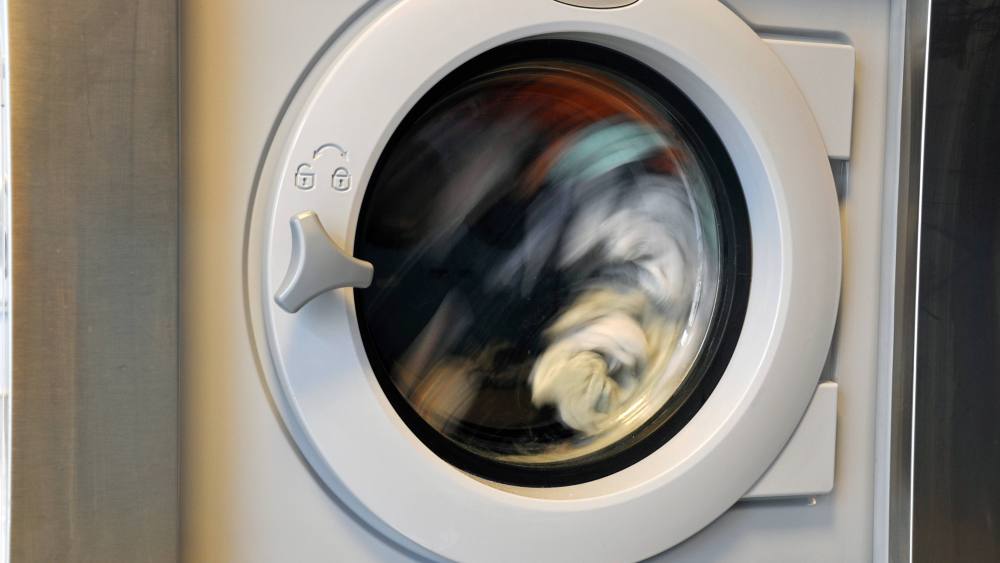
P.I.: Wash and wear would be recommended for clothes for young children or people that have sensitive skin, as this would reduce residual chemicals and associated odors — if any — from textile processing. Formaldehyde, pH, volatile organic compounds [VOCs] are examples of chemicals that may get washed off partially during the first wash.
For some garments, the labels would explicitly indicate that the clothes will need to be washed for the first time before wearing.
WWD: What steps do fashion companies need to take to improve safety in garments?
P.I.: [Cultivate] awareness and understanding of regulations that would apply to fast-fashion products, as well as how raw materials, manufacturing and disposal of the end products can affect consumers and the environment.
Perform in-house and third-party lab testing at various stages from raw material to finished garment stage.
Establish a good chemical management system and periodically check for the presence of targeted chemicals and their levels, by performing chemical screening, for California Proposition 65, European Union REACH, etc.
As part of chemical management, develop restricted substances list [RSL] for product as well as set requirements for use of restricted substances for manufacturing processes.
Drive product sustainability by using recycled as well as organic materials. In addition, focus on reducing the water and energy use during processing of the textiles.
Perform periodic inspections and auditing of the suppliers to ensure they uphold required environmental, social and governance standards.
Analyze consumer complaints and look at past product recalls for similar products.
WWD: What is a checklist consumers can follow?
M.R.: Indulge in mindful consumerism and be a conscious consumer. Pick long-lasting garments that will stand the test of time. Gravitate toward brands and products that place emphasis on quality, safety and sustainability. Look for fiber composition and claims on items prior to purchasing. Look for in-store recycling schemes that allow consumers to recycle clothing. Consider upcycling of existing clothing.