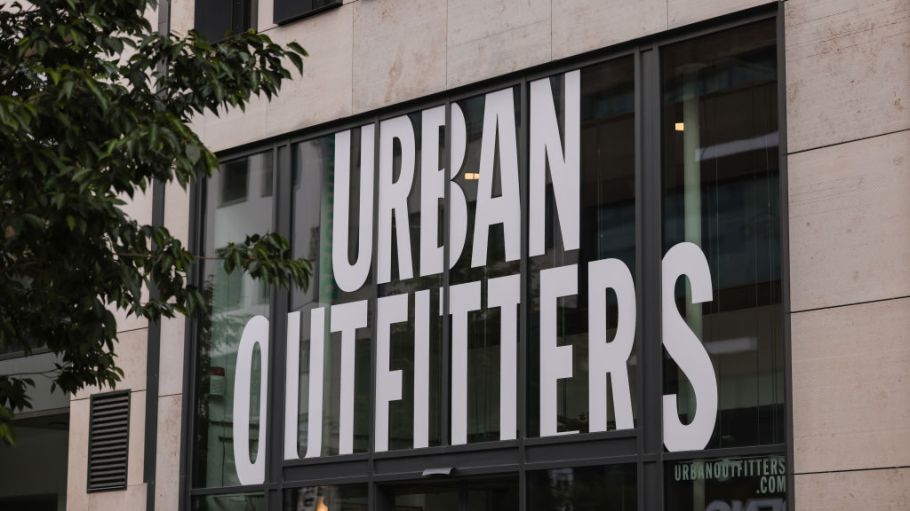
URBN doesn’t seem concerned about de minimis—but investors are concerned about tariffs’ impact on the company’s business.
The provision, set to close Friday, has long allowed parcels valued under $800 to enter the U.S. without duties. President Donald Trump and the Republicans quickly targeted what some have called a “loophole” as part of their economic agenda. Trump first closed the loophole for goods inbound from China and Hong Kong in April, but has since extended that to all countries; Republican lawmakers’ tax bill, which passed in July, also collapses de minimis by law effective 2027.
Related Stories
That has seen some e-commerce companies, like Shein, Temu and AliExpress, raising their prices and changing their advertising strategies as they prepared to pay import duties on direct-to-consumer parcels, specifically those from China. The former two companies have also put an emphasis on global expansion into markets that still have duty-free provisions in place.
While some Millennial and Gen Z favorites will have to grapple with the change, others see it as an opportunity.
On URBN’s earnings call Wednesday, CEO Dick Hayne said the end of the provision is likely to benefit the company’s core brand, Urban Outfitters. URBN also owns Anthropologie, Free People and Nuuly.
In response to an analyst question about how the de minimis change will influence URBN’s business, co-president and chief operating officer, said the provision was “really immaterial,” noting that only a small amount of the company’s sales were benefited by the exemption.
Hayne echoed that statement and went as far as to say that low-value e-commerce marketplaces adjusting to the collapse is likely to aid Urban Outfitters’ sales.
“As far as the Urban brand is concerned, it can only help,” he said. “Some of the folks who were big into this—Shein and some others—are obviously having a little bit harder time coping with some of the new regulations. So to the degree that they’re shipping less, it should help us.”
Despite the benefit that the company could reap from the de minimis change, its leadership has previously noted that it expects to be impacted by tariffs. On a May earnings call, leaders noted that they would frontload inventory to avoid disruptions to its fall assortment, and on Wednesday, the company noted that it has higher-than-average inventory stock because it intentionally brought products in sooner.
The company’s latest earnings beat expectations, but investors seemed less than thrilled about future prospects. The company’s stock dove more than 10 percent Thursday after executives noted their concern about tariffs’ impact on the business. Hayne said the company anticipates a 75 basis point impact to gross margins as a result of tariffs despite the strong quarter the company posted.
He said the company has started to put a slew of strategies in place to alleviate the pressures the macroeconomic environment has placed on retail.
“Our teams continue to work on mitigation strategies, including negotiating better terms with our vendors, diversifying our countries of origin, changing our mode of transportation from air to ocean and strategically adjusting pricing to minimize the impact on our customers,” Hayne told investors.
The CEO further noted that while “tariffs present a temporary challenge” to URBN, he remains confident that the company can improve its gross margins by 100 basis points for the entirety of fiscal year 2026.
Hayne said he believes consumer demand and the company’s diversified sourcing strategy will help soften the blow of tariff impacts, but leadership plans to keep a close eye on the evolving economic landscape.
“The only major headwind we currently face is the uncertainty surrounding tariff rates,” he told investors.