In recent years, consumers have become increasingly educated about the fashion industry’s harmful social and environmental impact. A 2022 Bain & Company study revealed that about 15 percent of global fashion consumers were already “highly concerned” about sustainability and consistently made purchasing decisions to lower their impact, and this percentage could increase to more than 50 percent in coming years.
As consumers rethink their purchasing habits and legislators expand regulations on environmental claims, this new reality has prompted brands to reduce their environmental and social impact. Per a 2019 analysis by McKinsey & Company, apparel executives increasingly believe that sustainable sourcing at scale is necessary for their companies and the industry.
Related Stories
The consulting firm noted that brands and retailers’ efforts to promote sustainability must go beyond individual companies. They should drive accountability by measuring and incentivizing sustainable behavior across their end-to-end supply chains, build on existing commitments to develop global industry-level standards that bring about systemic change and engage the broader public in the sustainable fashion transformation.
Traceability in Fashion’s Value Chain
Traceability plays a pivotal role in greening the fashion supply chain, bringing transparency and accountability to the production process and ensuring compliance with sustainability standards, ethical labor practices and responsible sourcing. At retail, it empowers consumers to make informed choices and support brands that align with their values. Ultimately, tracing the supply chain enhances trust and drives positive change throughout the fashion industry.
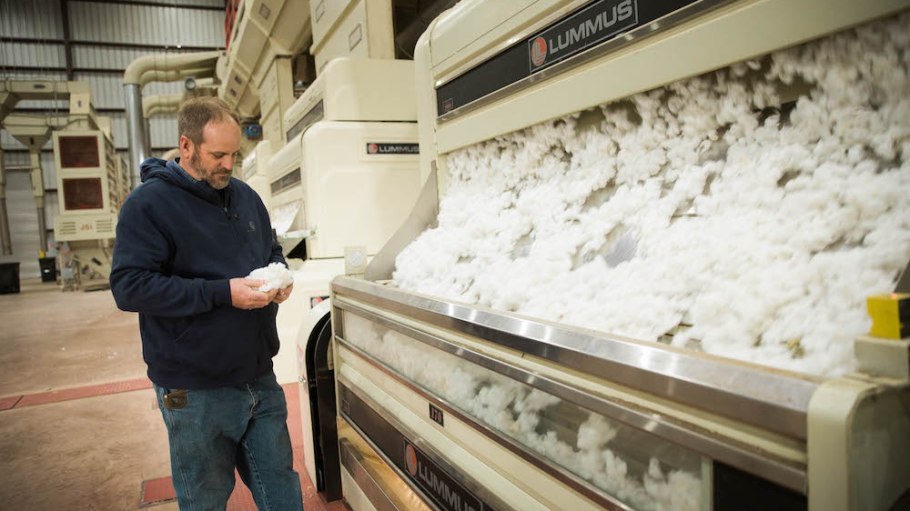
The U.S. Cotton Trust Protocol is one of several programs that provides brands and retailers a traceability solution to track the progress of raw materials in the supply chain—in this case, cotton. Protocol Cotton is tracked through the blockchain-based Protocol Consumption Management Solution (PCMS). This process starts once the cotton fiber is ginned and each cotton bale’s unique Permanent Bale Identification (PBI) number and gin weight are captured and verified against a USDA master list for authenticity and non-duplication. Once verified, a digital token, called a Protocol Consumption Unit (PCCU), is minted for each kilogram of Protocol Cotton fiber.
Recently, the Trust Protocol changed the enrollment period for growers so that brands and retailers could get earlier, greater and faster access to Protocol Cotton.
Starting this year, Protocol Cotton can be verified immediately upon ginning. Because more than half of the U.S. crop is marketed within a crucial three-month window beginning at the height of cotton ginning in November, this new timeline will allow Trust Protocol growers’ cotton to be verified as Protocol Cotton on their initial Electronic Warehouse Receipt.
With this new timeline, brand and retailer members of the Trust Protocol can now collaborate with marketers well in advance to plan the sourcing and use of more sustainably grown cotton.
For PCMS-tracked cotton, brands and retailers receive a transparency map that verifies the origin starting from the initial fiber shipment to a textile mill. It also provides the names and locations of the Trust Protocol mill and manufacturer members involved at every stage of the production process until the delivery of finished products. This creates enhanced communication opportunities, including the ability to incorporate proportionate environmental data into marketing claims and on-product labels.
Charting a Sustainable Course for the Future
The evolution of legislation, standards, regulations and consumer habits points toward a clear trajectory: The scrutiny placed on brands and retailers’ sustainability efforts will continue to intensify.
As the industry wrestles with these challenges, it becomes increasingly evident that scalable solutions are imperative to mitigate the negative environmental impact effectively. In this regard, the emergence of programs like the Trust Protocol provides a promising pathway to tackle these pressing concerns. By collectively working toward a common goal and prioritizing the scalability of sustainability practices, the fashion industry can confidently navigate the evolving landscape, paving the way for a more sustainable and ethical future.
Click here to learn more about the U.S. Cotton Trust Protocol.