When we set out to write The True State of Sustainability 2025, we expected to see frustration, under-resourcing, maybe some cautious optimism. What we didn’t expect was just how fragile the whole system has become.
After speaking with more than 450 sustainability leaders, one fact stopped us in our tracks: most teams are still microscopic. Two-thirds said they have three or fewer full-time employees. Many have just one. Yes, one person.
That one person is supposed to deliver a company’s entire Net Zero transition, wrangle data from hundreds of suppliers, meet evolving regulations, educate colleagues, and somehow keep everyone motivated.
Related Stories
For a challenge this size, that’s madness.
Imagine a major retailer in the 1990s announcing a transition from physical to digital and assigning one person to make it happen. You’d laugh. Yet that’s exactly what continues to happen with sustainability today. Companies are saying they are committed to systemic change, yet they are not resourcing it.

The collapse in confidence and why it’s not all bad
Another finding: only 11% of leaders believe they’ll hit their targets.
At first glance, that’s depressing but in a strange way, it’s also comforting. It shows sustainability leaders aren’t delusional and actually see the scale of the problem. They know this isn’t going to be solved with one more pledge or a new software dashboard. They understand a course correction is needed, and that’s an important shift in itself.
Activity isn’t progress
For years, companies have confused activity for progress. We’ve built an industry around measurement and disclosure, glossy PDFs, dashboards, and compliance reports, but not around reduction.
Fashion’s Scope 3 challenge illustrates this perfectly. Up to 95 percent of a brand’s emissions sit outside its direct control, scattered across a messy web of suppliers, mills, logistics partners, and raw-material sources. And yet the response has been to build ever more reporting frameworks. We’ve created an audit culture where the success metric is how much data you can collect, not how much carbon you actually cut.
At the heart of this is misallocation. Most sustainability functions have been designed like miniature compliance teams. They exist to tick boxes, not move the needle.
Budgets are shrinking (62 percent said theirs fell last year). Remits are ballooning (72 percent said they’d expanded). Teams are covering more ground with fewer hands and somehow still being told to “be more strategic.”
AI isn’t the threat—it’s the lifeline
One of the most surprising trends was how hesitant sustainability teams remain about using AI. Only 19 percent use it regularly, despite almost universal pain around reporting.
We heard genuine worry about AI’s own environmental footprint but it’s missing the bigger picture. Refusing AI on principle keeps teams stuck in manual, inefficient processes that waste human energy and time.
AI won’t replace the human parts of the job: the influence, the negotiation, the storytelling. But it can clear the drudgery, and that matters, because right now the biggest bottleneck in sustainability admin.
We need a redesign
It’s certainly not the boom years for sustainability, the economic and political outlook is going to be the same (or worse) for the next 5 years, so teams need to operate within this reality. If we go by trends of team size seen in our report, you are not going to get more headcount assigned to you. You will likely have less or the same team size as the year before. 67 percent of those surveyed cited this to be the case, with 91% being stretched into areas beyond their expertise.
So, you need to be smart about how you leverage skills to deliver. The question isn’t how to get more, it’s how to work differently.
The model that’s emerging looks nothing like the old one. It’s leaner, more flexible, and better suited to the seasonal, project-based nature of sustainability work.
It looks like this:
- A small, empowered core team that reports directly to the C-Suite, not buried in middle-management purgatory.
- Fractional expertise on demand. bringing in specialists for LCAs, Scope 3 modelling, or biodiversity when needed, not full-time hires you can’t afford.
- AI used with discipline. Not as a gimmick, but to automate reporting, clean messy data, and flag compliance risks, freeing up humans for strategy, supplier engagement, and culture change.
We’re seeing it work in large retailers and brands right now. It’s how small teams can deliver big outcomes.
A note of hope (and action)
Despite everything, there’s movement. The era of noise is fading, and a quieter, more serious phase has begun.
Sustainability leaders are getting on with it, less time on stage, more time in spreadsheets and supplier calls. We’re seeing fewer grand declarations and more actual delivery. You can feel the industry growing up.
At Leafr, that shift is tangible. Over the past 12 months, we’ve seen a 300% rise in project volume on the platform. Companies aren’t just talking about ambition anymore; they’re hiring the people who can make progress happen, specialists who know how to measure, design, and reduce effectively.
That’s what gives us optimism. Under the surface of the big-brand fatigue and the compliance grind, a new rhythm is taking hold, one built around competence, collaboration, and execution.
The conversation hasn’t moved much. But the work finally has.
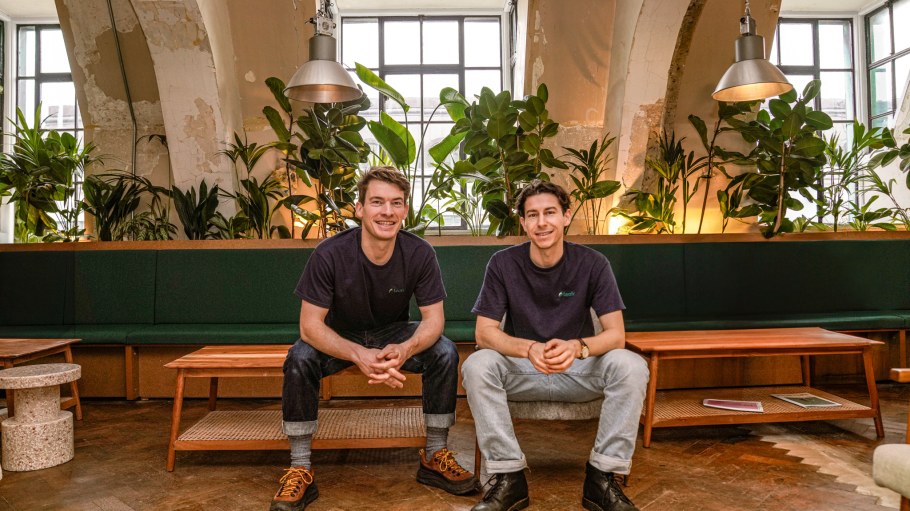
Gus Bartholomew is co-founder of Leafr, the world’s largest marketplace for independent sustainability consultants. He believes the future of sustainability is agile: lean internal teams driving strategy, supported by world-class specialists on demand.