The textile industry pollutes 20 percent of the world’s drinkable water, according to the World Resources Institute, and is second only to the oil industry in terms of damage done.
The fabric dyeing process alone uses 5 trillion liters annually. Producing a single kilogram of pigment requires 1,000 liters of water, 100kg of petroleum and 10kg of auxiliary chemicals. Putting that pigment onto a piece of clothing will cost another 30-50 liters of water per each kilogram of fabric.
Related Stories
Tintte, an Argentina and United States-based biotechnology startup, is developing bacteria-based color pigments to mitigate this excessive water use. In fact, the company (pronounced tin-tuh) uses pigment production and dyeing processes that are completely chemical free on top of reducing water and energy consumption by 50 percent.
“The fashion and apparel industries are under a lot of pressure from consumers and regulators to reduce water consumption, eliminate chemical use and decarbonize their supply chains,” Gustavo Freytes, Tintte’s co-founder and CEO, said. “Tintte is an ideal partner for textile manufacturers and fashion companies looking to replace existing synthetic pigments with non-toxic colors that are demonstrably less resource-intensive and adaptable to different fabrics.”
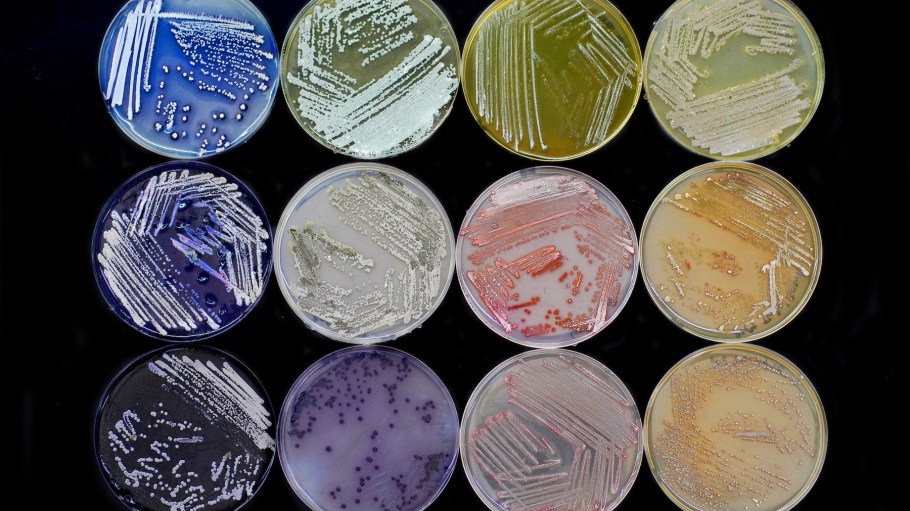
Tintte’s natural pigments are derived from bacteria (aka microorganisms) which generate color when subjected to a lab-controlled fermentation process. The biogenic pigment producer spent five years cultivating its “biobank” of over 130 microorganism strains, engineered through synthetic biology and controlled fermentation, to develop a diverse color palette for both natural and synthetic fibers.
“Unlike other natural pigments developed for dyeing, bacteria don’t require any land to produce and grow quickly; because of the way they’re grown, the bio-compounds obtained from the bacteria can attach to fabric without the use of auxiliary chemicals or fixing agents, which can be highly toxic,” said Rodrigo Asili, Tintte’s co-founder and COO. “We can therefore make the entire coloring process—from color creation to color fixing—simpler, more efficient, more sustainable and far less harmful to human, animal and plant health, at a time when the global textile dyes market is forecast to grow 50 percent by the end of the decade.”
Using metabolic engineering tools, the team then transforms its bank of biocolorants into pigments using what Tintte calls Dyelink: a technology to fix the color into the fabric, molecularly speaking. This tech offers a simpler, streamlined and safer coloring process compared to conventional methods. Currently, Tintte is trialing Dyelink with five international fashion brands and four textile manufacturers, as its goal is to go global.
“We picture ourselves as an ally for fashion brands looking for sustainable raw materials, as well as for manufacturers who are already feeling this pressure from the brands,” Magali Mendez, Tintte’s co-founder and chief business officer, said. “We understand the textile industry is an old and traditional industry; what the manufacturers need—at least, for now—is a plug-and-play solution.”