The H&M Foundation’s Saamuhika Shakti collective action circularity initiative is setting its sights on India’s hospitality industry with a new program that will divert the sector’s textile waste away from landfills.
Through Saamuhika Shakti, the H&M Foundation has partnered with nonprofit venture builder Enviu and its Closing the Loop program known as Second Spin to transform used hotel linens and other textiles in India into yarn, recycled paper and new textiles. The venture works with waste picker entrepreneurs in India to provide dignified work within the circular value chain.
Related Stories
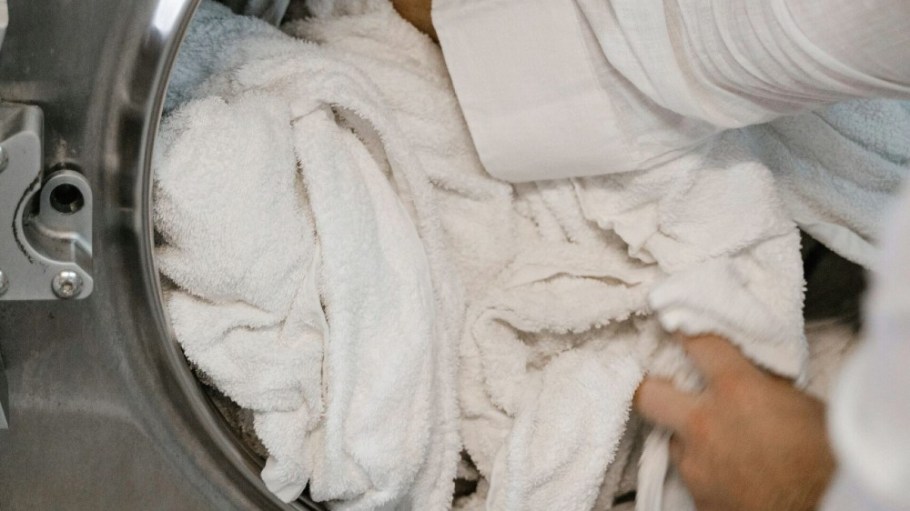
Over the past year, Second Spin signed a chain-level memorandum of understanding with The Ascott Group, a Singapore-based real estate and lodging company with nearly 1,000 properties in more than 40 countries. In the last quarter, the partnership has facilitated recovery of more than 26,600 kilograms of textiles from 23 hotels and initiated conversations with 12 hotel groups in Delhi.
Second Spin also said it has deepened research and development partnerships with recycled cotton fiber system CirCot and the South India Textile Research Association to tackle circular yarn innovation challenges. Second Spin is just one of the ventures Enviu is building to address critical gaps in the post-consumer textile value chain in India.
“Enviu’s venture-building approach shows the power of bold ideas backed by hands-on collaboration,” said Maria Bystedt, program director, H&M Foundation. “When social and environmental ambitions align with entrepreneurial drive, we unlock a multiplier effect where impact ventures don’t just spark change, they scale it.”
The H&M Foundation launched its Saamuhika Shakti initiative in 2021 in Bengaluru, India, to reduce the volume of textile waste ending up in landfills. The program partners with waste pickers, sorters and traders who comb landfills and other waste collection facilities for recyclable materials. A big part of the Saamuhika Shakti initiative focuses on improving the working conditions of those waste pickers while elevating their role in the circular economy.
According to a new study by the Institute for Social and Economic Change, Bengaluru generates an estimated 5,000 metric tons of fabric waste annually. The study estimated that more than 75 percent of that textile waste is eventually incinerated.
As of June, the H&M Foundation reported that Saamuhika Shakti has achieved 55 percent of its waste diversion target and supported more than 400 waste pickers. Its goal is to divert 800,000 kilograms of post-consumer textile waste and support 500 waste picker livelihoods by 2026.