Fast fashion meet slow education.
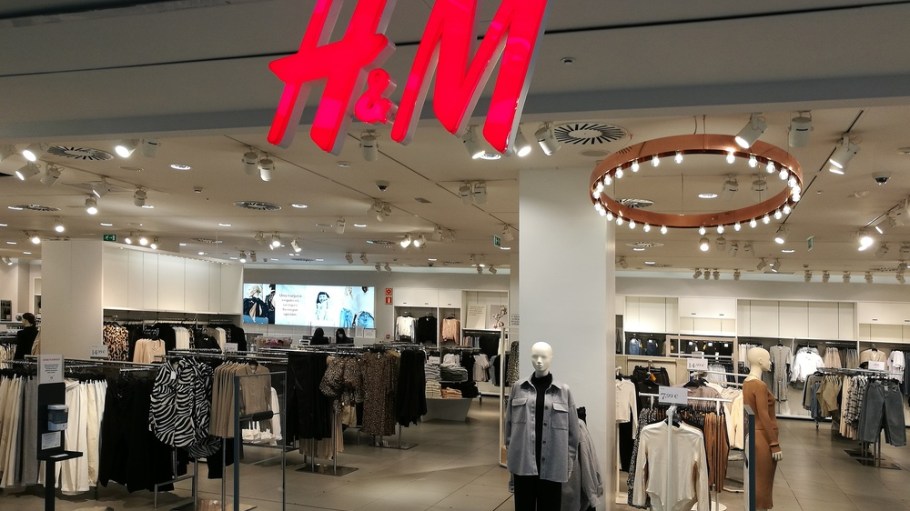
H&M Group and New York nonprofit Slow Factory are collaborating on a five-year plan to promote industry-wide change with a focus on human rights and climate justice.
The partnership coalesced after H&M’s U.S.-based employees voted to use a new “employee activism” fund to support Slow Factory’s work on social and environmental justice, particularly around communities of color.
Related Stories
While the Swedish retailer’s largesse is unknown, the money will be used to power what Slow Factory dubs its “building blocks” for transforming systems, including its free, online “Open Edu” climate education series; its initiative to develop circular and regenerative design models; and its efforts, through its Slow Factory Labs spinoff, to create fossil-free materials, such as its leather alternative Slowhide. The nonprofit also has its eye on creating a physical “climate school,” replete with a curriculum that highlights sustainable product development, systemic racism and politics, climate justice and “collective healing.”
“The way fashion and clothes have been produced and consumed must change, and we at H&M are in a unique position to drive and foster that change,” said Abi Kammerzell, head of sustainability at H&M North America. “Supporting Slow Factory has inspired new energy and opportunities in North America to accelerate our transformation to a circular business. Listening and collaborating with others is key to creating a positive impact for people and the planet and we are so proud of our colleagues for acting on their values and voting to support the critical work Slow Factory is doing.”
Slow Fashion has also invited the world’s second-largest fashion purveyor after Inditex to join its Fund for Systemic Change, which has a goal to raise $100 million to back “infrastructure and alternative systems,” especially those that address waste-to-resource solutions, material science innovations and new technologies that respond directly to climate change, human rights practices and cultural shifts. The idea, the organization said, is to invest in creating a new status quo while uncovering strategies that reduce existing harm in places such as the global South, which is bearing the brunt of extreme heat, flooding and pollution.
“We have seen a lot of efforts acting as band-aid solutions rather than addressing directly harmful systemic issues, it’s time to focus on systemic change by funding systemic solutions,” said Céline Semaan, who founded Slow Factory in 2021 with her husband, Colin Vernon. “True transformation happens when systems literacy becomes the norm and where funding follows the values brands have. We are thrilled to be able to transform this industry by working with everyone interested in systemic change.”